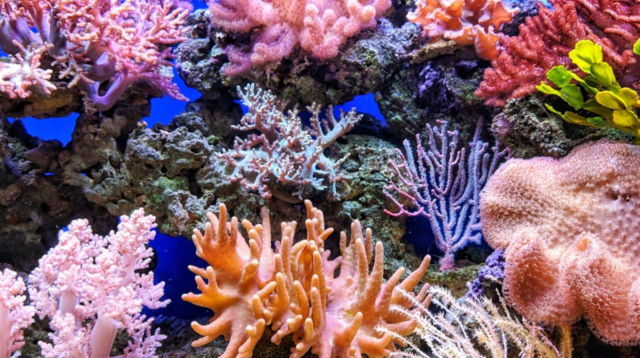
Coral reefs, often referred to as the “rainforests of the seas,” harbour an astonishing array...

Published: 8:10 am June 14, 2024
Updated: 11:55 am October 8, 2025
Unlocking the Secrets of Coral Reefs: New Research Reveals Hidden Clues in Seawater

Coral reefs, often referred to as the “rainforests of the seas,” harbour an astonishing array of marine life. These vibrant ecosystems are home to approximately 25% of all marine species, making them one of the most diverse habitats on Earth. But how can we truly understand the health of these underwater wonderlands?


The Challenge of Deciphering the Coral Reef “Soup”

Scientists have long grappled with the complexity of coral reef environments. Invisible compounds—like elusive chemical clues—float through the seawater, creating a challenging puzzle for researchers. These compounds hold vital information about the species living within the reefs and their overall well-being. However, extracting and identifying these elusive indicators has proven difficult.

Unlocking the Secrets of Coral Reefs: New Research Reveals Hidden Clues in Seawater

A Breakthrough Discovery

In a groundbreaking study published in the Journal of Proteome Research, researchers from the Woods Hole Oceanographic Institution have cracked the code. Led by Brianna Garcia, Amy Apprill, and Elizabeth Kujawinski, the team developed a novel technique to extract and analyse metabolites—small molecules produced by marine organisms—in seawater.

How It Works

  1. Sample Collection: The scientists collected water samples from five coral reefs near the U.S. Virgin Islands.
  2. Metabolite Modification: Using a series of reactions, they modified the dissolved metabolites, making them compatible with membrane materials.
  3. Analysis: Liquid chromatography-mass spectrometry revealed 23 previously unidentified metabolites, including amino acids, amines, pyrimidine nucleosides, and organosulfonic acids.
  4. Key Findings:
    • Diseased coral, macroalgae, and crustose coralline algae significantly influenced metabolite compositions.
    • The presence of the organosulfonic acid DHPS consistently indicated coral and associated organisms.
    • Three specific metabolites—homoserine betaine, tryptophan, and γ-aminobutyric acid—varied among the five reefs, reflecting differences in marine environments and organisms.

Implications for Conservation and Climate Change

This breakthrough study opens new avenues for monitoring coral reef health. By tracking these ecologically relevant compounds, scientists can assess the impact of climate change, natural disturbances, and disease activity on these fragile ecosystems. Furthermore, understanding the intricate web of life within coral reefs is essential for their preservation and our planet’s biodiversity.

As we continue to explore the ocean’s mysteries, let us remember that these underwater gems not only inspire awe but also hold the keys to our planet’s future.

We are your go-to destination for breaking UK news, real-life stories from communities across the country, striking images, and must-see video from the heart of the action.

Follow us on Facebook at for the latest updates and developing stories, and stay connected on X (Twitter) the for live coverage as news breaks across the UK.

SIGN UP NOW FOR YOUR FREE DAILY BREAKING NEWS AND PICTURES NEWSLETTER

Your information will be used in accordance with our Privacy Policy

YOU MIGHT LIKE