Fresh Warnings Have Landed at an Awkward Time for Online Trust
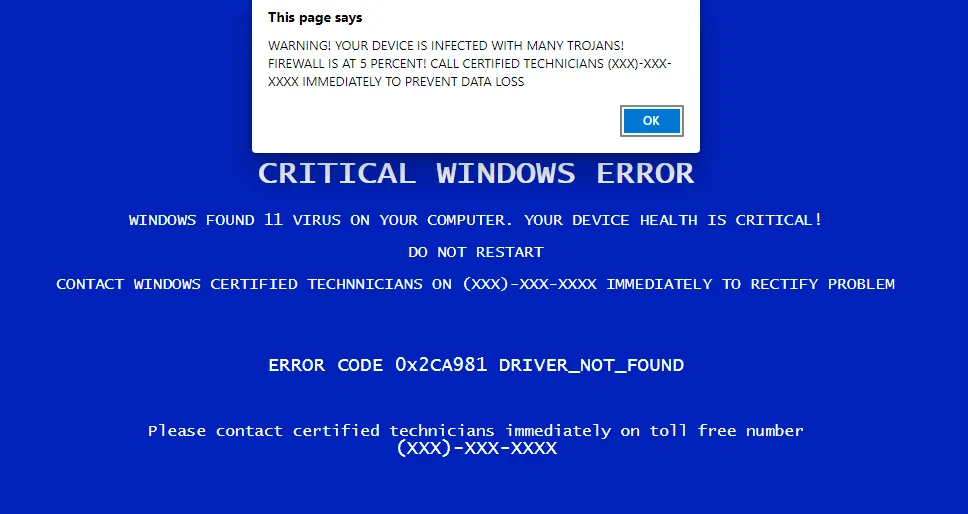
Consumer confidence online is under renewed pressure after a pair of recent UK fraud alerts highlighted how quickly digital scams are evolving. On 1 April 2026, Santander UK said its latest Scamtracker data showed £19.3 million had been lost to scams in the first quarter of the year, with pet scams alone surging sharply. Then, on 2 April 2026, Financial IT reported new research showing seven in ten consumers believe AI is making scam attempts more convincing. Taken together, those warnings point to the same uncomfortable conclusion: many Britons now feel less certain that what they are seeing online is genuine.
The Problem Is No Longer Limited to One Type of Scam
That is what makes this moment more significant than another isolated fraud headline. The current pressure is coming from several directions at once. Fake listings, spoofed messages, cloned brand identities and AI-assisted scams all create the same basic problem for the public: the usual signs of legitimacy are becoming harder to read. A false advert for a puppy, a polished payment request or a familiar-looking email can now appear credible enough to catch out people who might once have spotted the warning signs more easily.
UKNIP has already tracked pieces of that wider pattern, from its report on Just Eat scam listings that took money without delivering orders to its feature asking whether UK residents still trust online reviews. What the latest alerts do is pull those warning signs into one bigger conversation about confidence itself. When the fraud becomes more polished, people do not just worry about one transaction. They start questioning the wider online environment around them.
Recognised Names Are Likely to Matter More
That shift in behaviour is one of the clearest likely consequences of the latest alerts. If consumers feel less sure about new or unfamiliar sites, many will naturally become more selective about where they spend time and money online.
Recognition, consistency and the sense that a platform is established all begin to carry more weight. That applies across much of the digital economy, not only in retail or banking but in online entertainment too.
The online casino industry is an example, anyone considering sites such as LuckyNugget, a trusted online casino, should take the time to look beyond branding alone and check the practical signs that a platform is safe to use. Clear privacy policies, secure payment systems, transparent terms and conditions, and a reputation for reliable payouts all matter.
So too does the quality of customer support, because responsive help is often one of the strongest signs that a platform is established and accountable.
The point is less about category than behaviour. In a climate where scam pressure is rising, trust itself becomes a practical filter. Consumers start looking for signals that a service is known, stable and worth relying on before they click any further.
Confidence Can Be Damaged Faster Than It Is Rebuilt
That is why the latest UK fraud alerts matter beyond the immediate losses attached to any one scam type. Once users start feeling that the internet is harder to read, more deceptive and less predictable, the effect spreads. It changes how they shop, what they sign up for and which platforms they are willing to treat as reliable. For legitimate operators, that makes credibility more valuable than ever. For everyone else, it is another reminder that online confidence is not a given. It has to be earned, and right now it is being tested again.