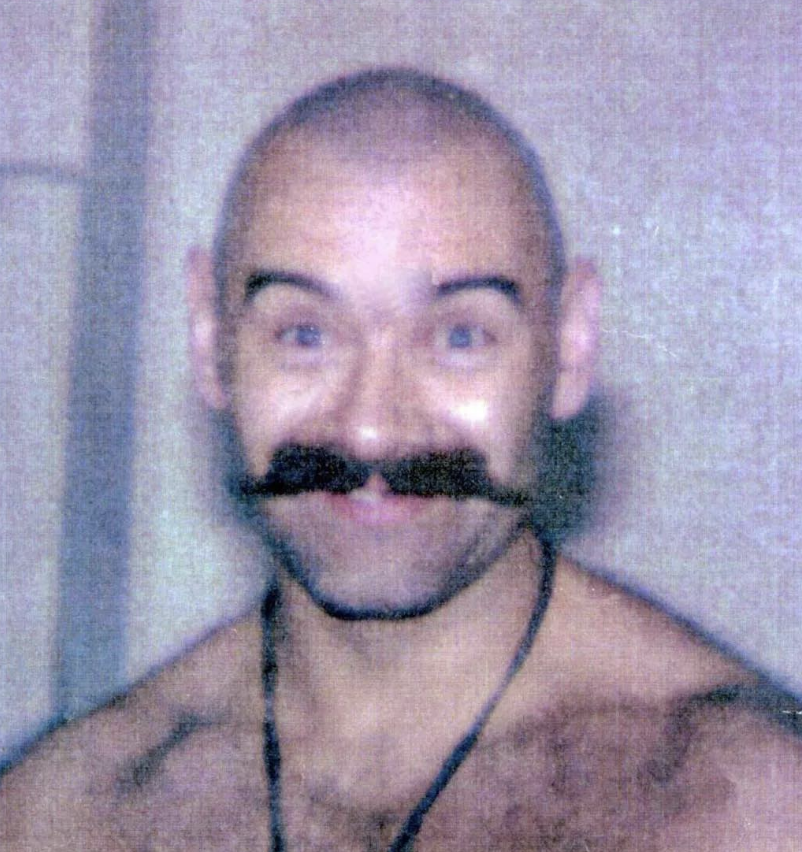
Infamous inmate Charles Bronson has been abruptly moved to HMP Wakefield, sparking fresh debate over how Britain’s toughest prisoners are managed. The 73-year-old, one of the country’s longest-serving convicts, faces his toughest challenge yet in this high-security fortress.
Back in the Beast of Wakefield
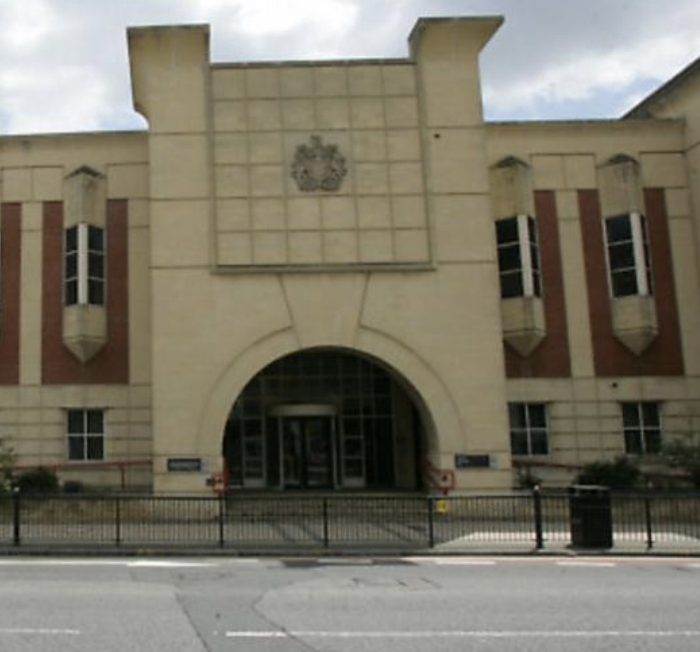
Bronson was shifted from HMP Long Lartin to Wakefield, a notorious Category A prison known as the “Monster Mansion.” The jail is infamous for extreme security measures, underground segregation units, and strict regimes designed for Britain’s most violent and unpredictable offenders. Sources reveal Bronson’s arrival was tightly controlled. He was immediately locked in solitary confinement, inside a reinforced “cell within a cell.” Alarmingly, his art supplies were confiscated, raising eyebrows since art has been key to his mental well-being and recent rehabilitation efforts.
Timing Too Curious to Ignore
The transfer came just before a critical parole hearing. Supporters warn the move might be a deliberate tactic to throw Bronson off balance and thwart his chances of release. This decision has provoked fierce criticism from campaigners, criminologists, and ex-prison staff alike.
The Violent Legacy of Britain’s Most Notorious Prisoner
- Bronson’s crime history began in 1974 with armed robbery, earning him a seven-year sentence.
- His time inside has been marked by repeated violence, rooftop protests, assaults, and hostage-taking incidents.
- Notable events include the 1994 attack on an art teacher and a 1999 44-hour siege where he held an education worker hostage.
- Though never convicted of murder, Bronson’s volatile behaviour extended his prison term to over 50 years, much in solitary confinement.
Concerns Over Rehabilitation and Mental Health
- Rehabilitation Setback: Removing Bronson’s art materials risks reversing years of progress.
- Harsh Environment: Wakefield’s segregation units are notoriously brutal, likely to stir up the very violent tendencies prison staff aim to suppress.
- Parole Strategy: Critics argue the transfer aims to destabilise Bronson ahead of his parole review, impacting his chances of release.
Bronson’s saga encapsulates a bitter national row: is he a dangerous threat who must remain locked up, or a prisoner caught in a system unwilling to move past his violent history?