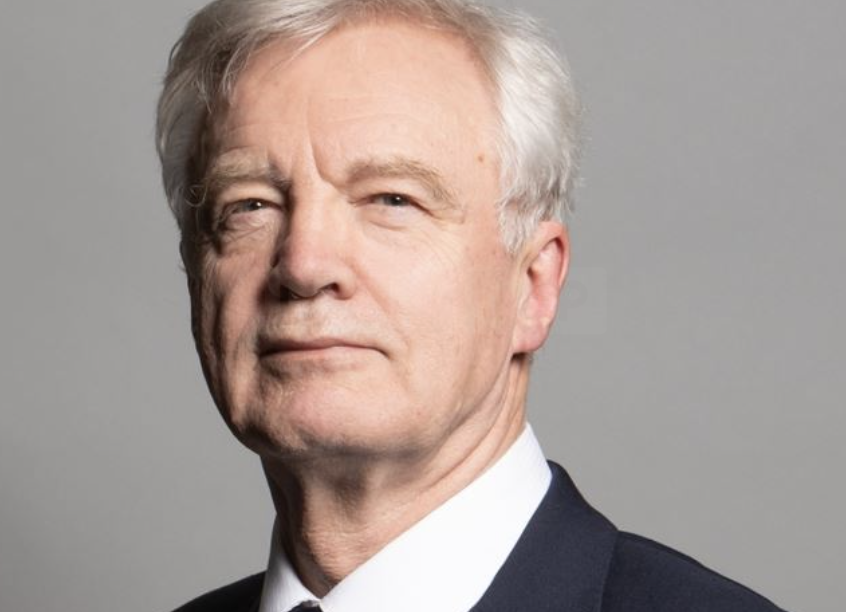
In a startling revelation, former Brexit secretary David Davis has admitted to betting on the outcome of the 2016 EU referendum. Davis made the admission during an interview on BBC Radio 4, stating that he placed the bet out of frustration with predictions that the Leave campaign would lose.
“There are times when it’s appropriate enough to gamble,” Davis asserted. He explained his actions by saying, “I was annoyed that people said we were going to lose,” and thus decided to put his money where his beliefs were. Davis defended his actions as proper, underscoring that his vote “wasn’t improper.”
The suspensions of Williams, Sanders, and Craig underscore the broader implications of the scandal, raising serious questions about the integrity of the candidates and the potential impact on voter confidence. The Conservative and Labour parties have launched internal investigations to address the allegations and mitigate the fallout.
Political analysts are closely watching how these developments will influence the upcoming election, with trust in political candidates now under intense scrutiny. The revelations about betting on election outcomes and significant political events have ignited a debate over the ethical boundaries for those in public office.
As the story unfolds, the political ramifications continue to reverberate, highlighting the fine line between personal liberty and public responsibility for those seeking to represent the electorate. While controversial, David Davis’s candid admission sheds light on a broader issue that could shape the future of political conduct and accountability in the UK.