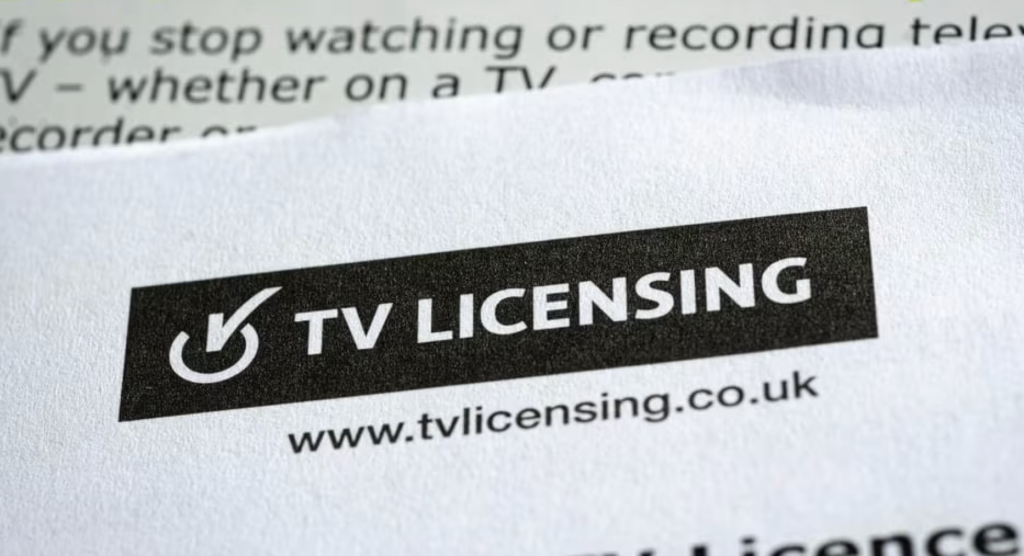
The BBC’s TV licence fee is on course to skyrocket close to £200 by the end of the decade amid a mass exodus of viewers. Last year alone, 300,000 households ditched their licences as audiences jump ship to streaming giants like Netflix and Disney+.
Licence Fee Could Soar to £197 by 2030
The annual licence fee, currently £174.50, is forecast to climb to just under £197 if it continues to track inflation, according to the Office for Budget Responsibility.
With soaring food and energy bills, many families view the licence fee as an unaffordable luxury for services they rarely use.
Nandy Promises “Radical” Funding Review
Nandy has vowed to explore bold alternatives to the licence fee but insists the BBC needs stable funding to survive. The funding model’s collapse has slashed licence income by 30% in real terms since 2010, forcing drastic cuts on the broadcaster.
Her choice could reshape the future of the BBC amid calls from politicians to abolish or reform the licence fee entirely.
The Streaming Revolution and the BBC’s Fight for Survival
The biggest threat to the BBC’s funding comes from the streaming boom. Younger viewers widely spurn live TV, opting for platforms offering vast libraries and no ads for less money.
The BBC’s iPlayer can’t compete with Netflix or Amazon Prime’s budgets and range. Many families now access endless entertainment without turning on a traditional TV or using BBC services at all.
Charter Renewal and the Future at Stake
The 2027 Royal Charter renewal talks will be pivotal. The government has the power to redefine how the BBC is funded, with voices across the political divide demanding radical change.
Conservative MPs back scrapping the licence fee, while some Labour figures push for new funding methods. Without a sustainable, modern model, the BBC’s sprawling empire faces a drastic shrinkage.
Enforcement Fails and Revenue Slumps
The old-school licence enforcement scheme is broken. The infamous detector vans are ineffective, and the BBC’s legal powers to chase evaders are limited.
With one in eight viewers dodging payments, the corporation battles a vicious cycle: fewer fees mean fewer services, leading to more cancellations.
The big decision now rests with Lisa Nandy. Approving the fee hike risks triggering deeper cancellations, while blocking it forces the BBC into an immediate financial crisis.
The corporation’s future hangs in the balance as it faces a perfect storm of funding cuts, streaming disruption, and public backlash against compulsory fees.