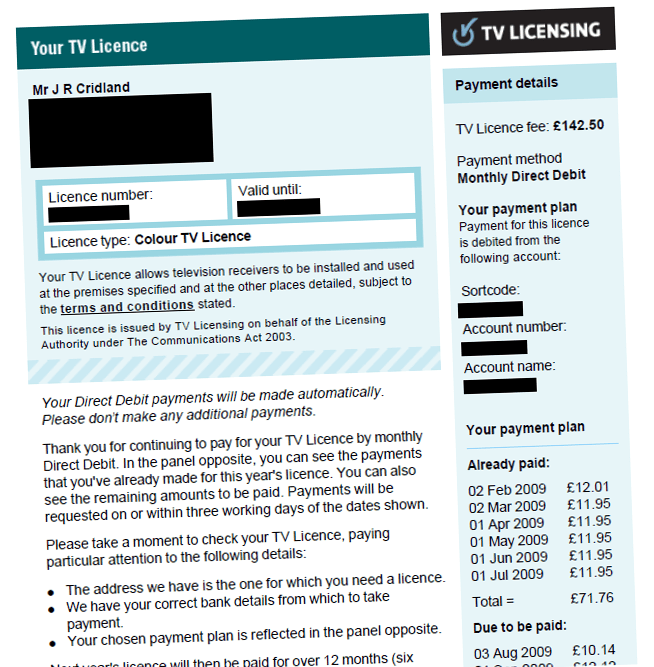
The BBC licence fee, a mandatory payment for most UK households with televisions, is set to rise by £10.50 to £169.50 a year, as confirmed by the Culture Secretary. This increase comes after the fee had been frozen at £159 and was initially expected to rise by around £15 in line with inflation from April 2024. However, the Government has announced a reduced increase rate.
As the new fee approaches, viewers need to understand when a TV Licence is required and who is eligible for a free licence.
When is a TV Licence Required?
A TV Licence is necessary under the following circumstances:
- Watching or recording live TV on any channel or service.
- Using BBC iPlayer.
However, you do not need a TV Licence for:
- Streaming services like Netflix and Disney Plus.
- On-demand TV through services like All 4 and Amazon Prime Video.
- Watching videos on websites like YouTube.
- Watching videos or DVDs.
Eligibility for a Free TV Licence
The eligibility for a free TV Licence, which usually costs £159, is primarily aimed at the senior population. Individuals aged 75 or over who receive Pension Credit can obtain a TV Licence for free.
According to guidance from TV Licensing: “Free TV Licences are only available if you’re 75 or over and you, or your partner living at the same address, are receiving Pension Credit.”
Those who believe they are eligible but cannot apply online are advised to contact TV Licensing directly at 0300 790 6117* to request an application form. The processing of applications may take a few weeks, and applicants will be notified of any issues or further requirements. Special arrangements are in place for residents over 75 living in the Isle of Man, the Bailiwick of Jersey, and the Bailiwick of Guernsey.
The upcoming fee increase and the eligibility criteria for a free licence are crucial for viewers to understand to comply with the legal requirements and take advantage of available concessions.