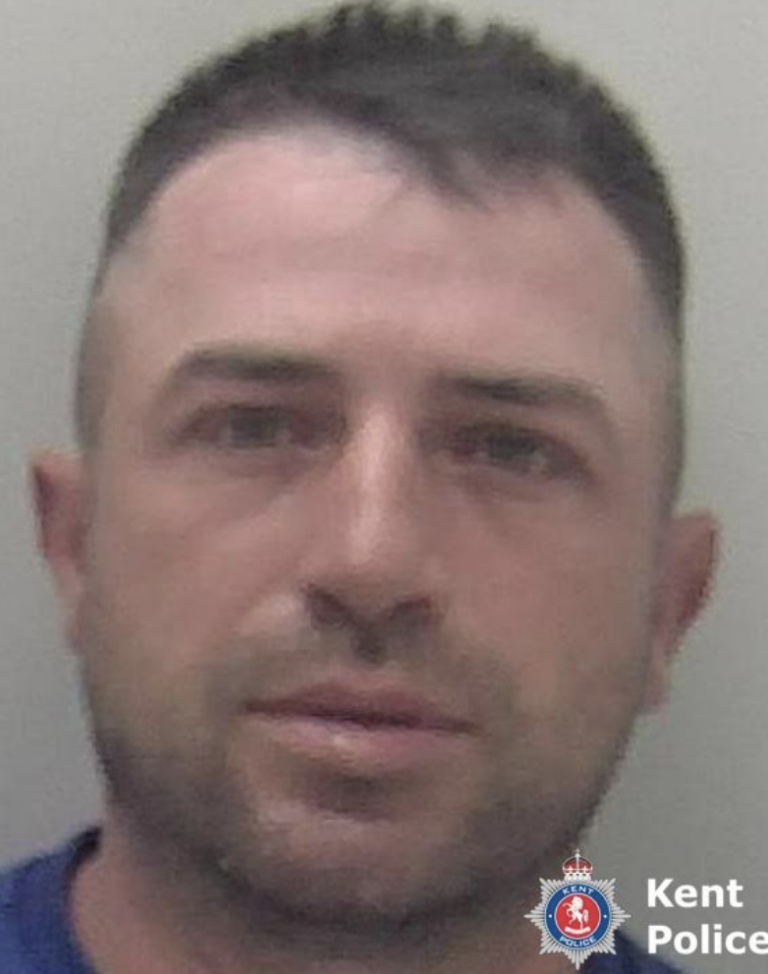
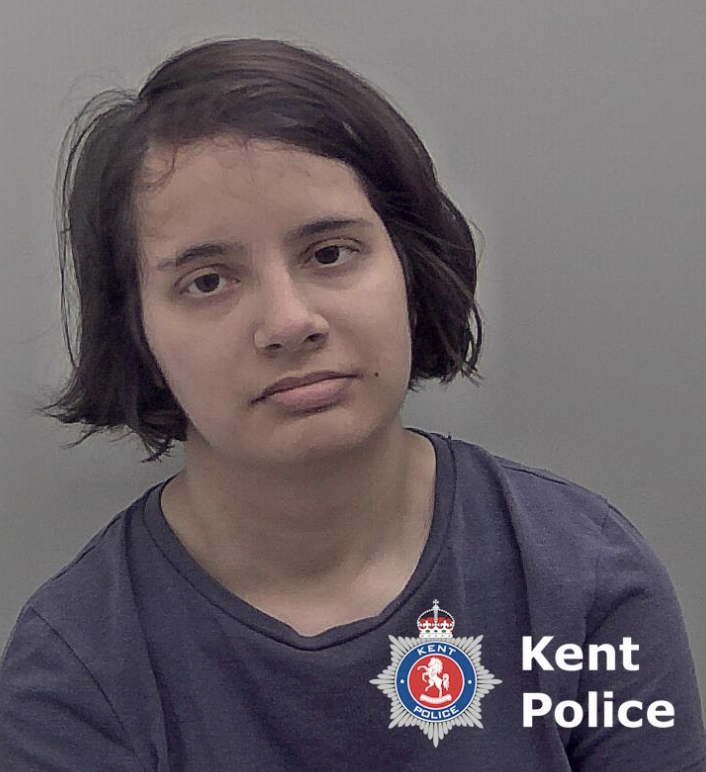
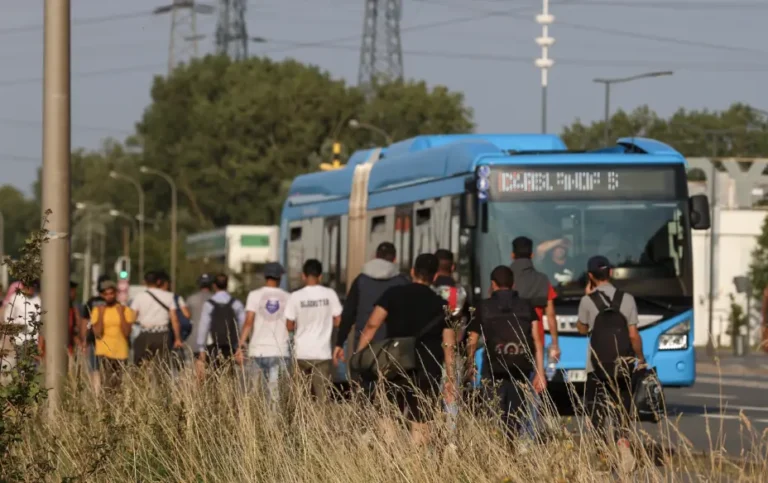
The UK’s Home Affairs Committee has concluded that the police response to the 2024 summer riots was “entirely appropriate,” rejecting claims of biased enforcement during the unrest that followed the tragic murder of three young girls in Southport.
However, the committee also pointed to intelligence failures, including insufficient monitoring of social media and dark web activity, which hampered police readiness. Some local forces, the report found, were unprepared and left their officers at “significant risk.”
National Police Chiefs’ Council Welcomes Findings
Chief Constable BJ Harrington, who led the national policing operation, welcomed the findings and commended the bravery of frontline officers.
“This report rightly praises the efforts of officers and staff across the country. But it also sets out important lessons, particularly around preparedness and coordination,” Harrington said.
The estimated cost of the riots exceeded £28 million, and with 302 officers injured — including 69 hospitalised — police unions are calling for better recruitment, mental health support, and enhanced protective equipment for officers.
Misinformation and Media Challenges
The report highlighted how misinformation around the suspect, Axel Rudakubana, significantly escalated tensions. Legal constraints, including the Contempt of Court Act 1981, prevented police from clarifying facts during the early stages of the investigation. The Law Commission is now reviewing the legislation to ensure it balances public safety and judicial fairness in the age of viral disinformation.
[block_2]
MPs also urged the Crown Prosecution Service (CPS) to update outdated media guidance, after it failed to counter false narratives spreading rapidly online.
Mixed Public Response
Public opinion has been divided. A YouGov poll conducted in August 2024 found that 63% of the public approved of the police handling of the riots — up from 52% during the height of the unrest. However, 60% believed that sentences handed down to rioters were too lenient, calling for tougher consequences.
On social media, reactions ranged from gratitude to criticism. One widely shared post on X read:
“Officers risked their lives to protect communities. They deserve our thanks, not attacks.”
Others criticised systemic failures, urging the government to address deeper concerns over immigration, policing, and community trust.
Looking Ahead: Calls for Reform
The committee’s report outlines a series of recommendations aimed at strengthening the UK’s ability to respond to future crises, including:
- Improved national policing structures and mutual aid mechanisms
- Increased officer recruitment and retention
- Stronger mental health and resilience support
- Enhanced social media and intelligence monitoring capabilities
Dame Karen Bradley concluded with a stark warning:
“The events of 2024 exposed weaknesses in how we police, prosecute, and protect in the digital age. Lessons must be learned to ensure the criminal justice system is fit for the future.”
As the UK continues to reckon with the causes and consequences of the 2024 riots, the committee’s findings serve as both recognition of frontline sacrifice — and a call to action for systemic improvement.