Horsham District Council is warning the public about cases of a potentially serious gastrointestinal illness...

Published: 7:47 am June 20, 2024
Updated: 11:57 am October 8, 2025
Horsham Council Alerts Public to E. coli Threat

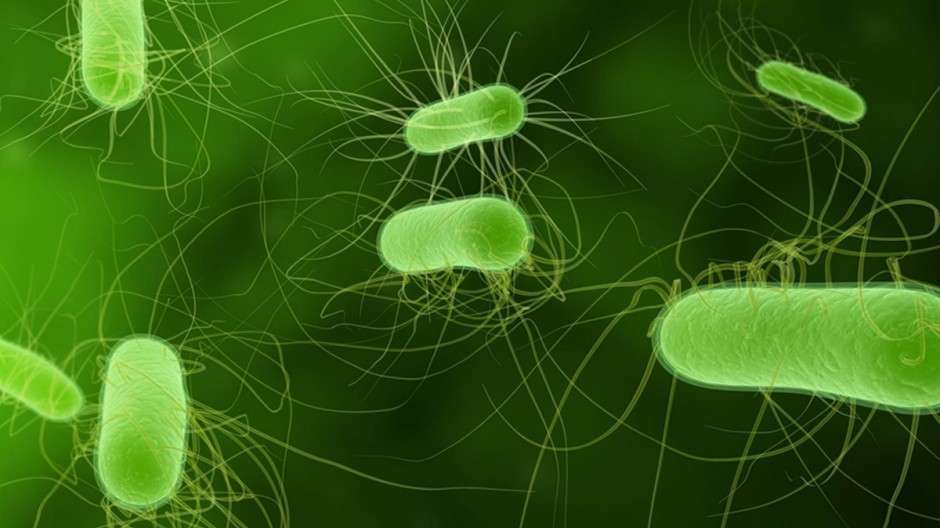
Horsham District Council is warning the public about cases of a potentially serious gastrointestinal illness reported within the district, believed to be connected to an ongoing national outbreak. The UK Health Security Agency is investigating the spread of a Shiga toxin-producing E. coli (STEC) infection across the UK, which is suspected to originate from a common source, likely contaminated food, though this is yet to be confirmed.

Horsham Council Alerts Public to E. coli Threat

Since February, over 40 cases have been identified nationwide, with around 100 more cases being treated as probably linked to the outbreak. Genetic testing continues to determine if the same strain is involved.

Two suspected cases of STEC have been reported within the Horsham District and are being investigated by Environmental Health Officers. The Council aims to raise public awareness of the signs of infection to gather further information and ensure those affected seek necessary medical attention.

A spokesperson for the Environmental Health & Licensing team explained: “STEC can cause serious illness in most people, especially the elderly and immunocompromised individuals, but it is particularly dangerous in young children who are at risk of developing a life-threatening disease called ‘HUS’ – or haemolytic uraemic syndrome – which results in kidney failure.”

STEC bacteria are found in the general environment, particularly in areas exposed to animal faeces, such as grazing fields. Direct contact with infected animals, such as at petting farms, and consuming contaminated food and water are significant sources of infection.

The spokesperson continued: “General symptoms of a STEC infection include stomach cramps, fever, and diarrhoea, which can include bloody diarrhoea in around half of cases. Most people will make a full recovery, although symptoms can last around two weeks if there are no complications, such as HUS.”

Signs of the life-threatening condition HUS developing during an STEC infection include urinating less often or not at all, blood in the urine, losing pink colour in the cheeks or inside of eyelids, unexplained bruising or tiny red spots on the skin, and feeling very tired with decreased awareness.

The spokesperson concluded: “If your child shows any of the symptoms of HUS following gastrointestinal illness, it is critical to seek medical attention urgently.”

Residents are urged to contact their GP or call NHS 111 if they or a family member experience illness that may be linked to STEC or have any related concerns.

We are your go-to destination for breaking UK news, real-life stories from communities across the country, striking images, and must-see video from the heart of the action.

Follow us on Facebook at for the latest updates and developing stories, and stay connected on X (Twitter) the for live coverage as news breaks across the UK.

SIGN UP NOW FOR YOUR FREE DAILY BREAKING NEWS AND PICTURES NEWSLETTER

Your information will be used in accordance with our Privacy Policy

YOU MIGHT LIKE