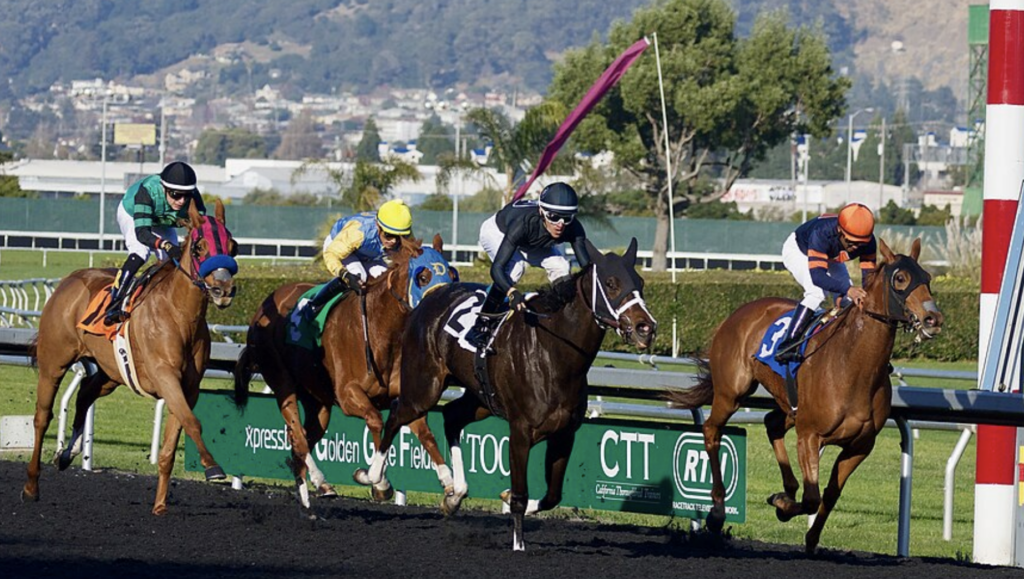
To someone who has never been to a big horse racing event in the UK, speaking of military-level security, threat-detection systems and disguised intelligence operatives may seem like an exaggeration. However, this is the reality of what happens at major meetings like the Grand National. It is not just about crowd management — there are thousands of spectators, and often members of the Royal Family in attendance. The safety of athletes, horses, VIPs and spectators requires multiple layers of monitoring. With the high volume of betting activity during major events, police are also involved in preventing criminal activity, ensuring people can place bets safely. Those interested in odds on upcoming races can easily compare Grand National offers on Oddschecker from their smartphone in seconds.
Horses’ Protection
Ensuring the safety of the horses is the top priority. Veterinary officers assess their health before and after races to ensure no tampering or prohibited substances are involved. The British Horseracing Authority enforces strict welfare standards at all times. Equine Welfare & Integrity Officers oversee the stable yard, checking the identity of every horse and individual entering restricted areas. They also carry out post-race sampling when required under the Raceday Operation Regulation.
Crowd and Betting Ring Management
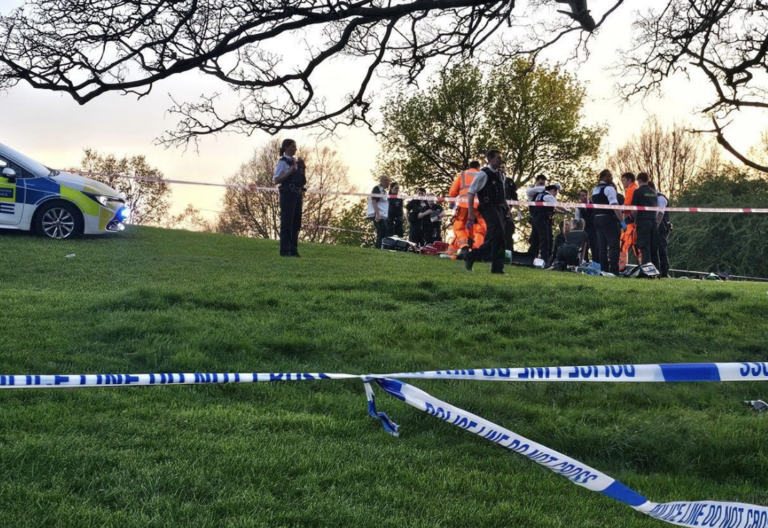
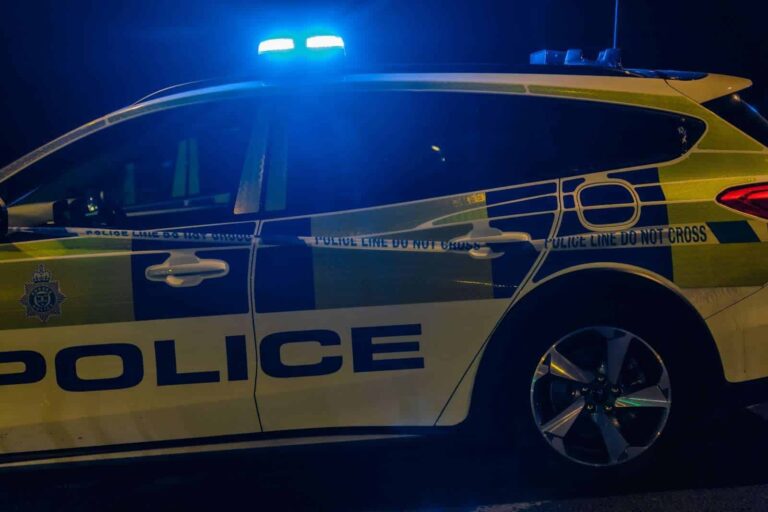
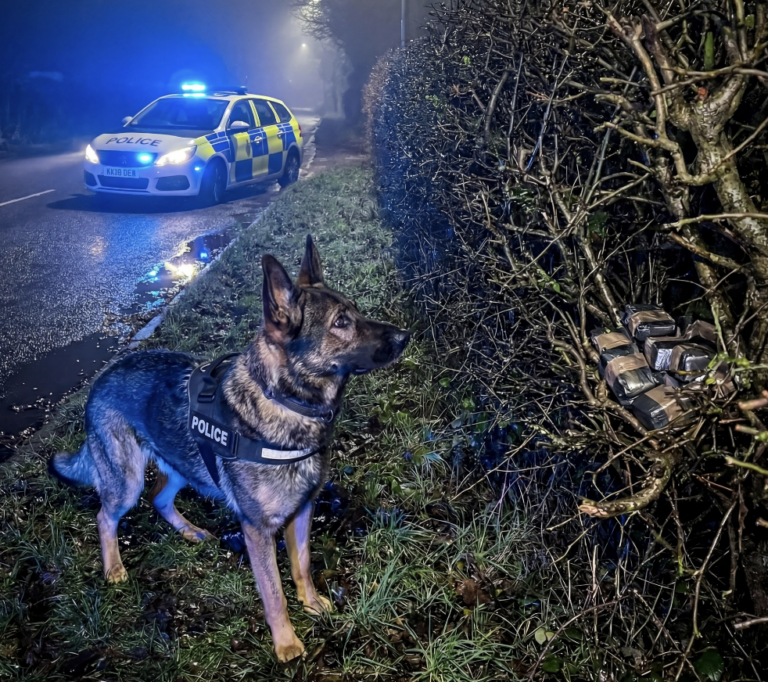
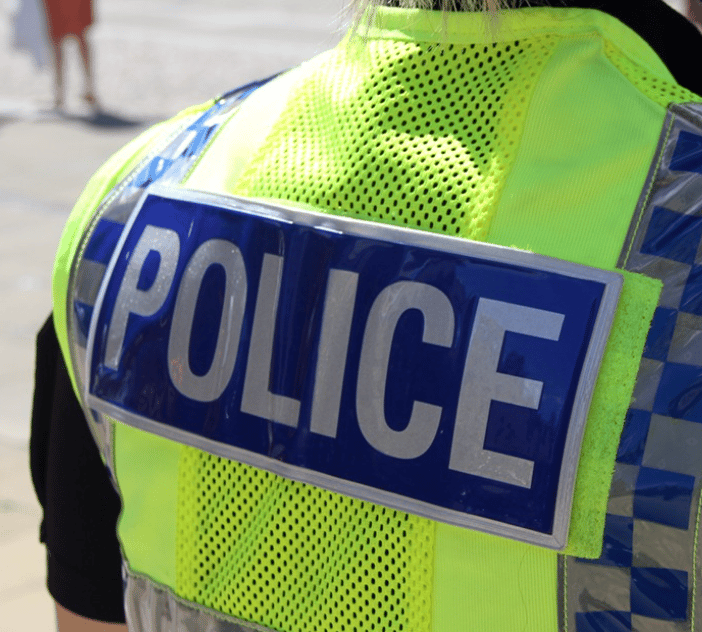
Managing large crowds and busy betting rings is a complex task. Police presence is significant at major events, with officers, mounted units, dogs and undercover personnel deployed to respond quickly to any incident. Major horse racing events can be considered potential targets due to their popularity and the presence of high-profile attendees. For example, the Grand National has a detailed security plan in place, ensuring a rapid and coordinated response to any threat.
Surveillance and Risks to Horse Safety
Drones are increasingly used as part of modern security operations, allowing large areas to be monitored efficiently from control rooms. This reduces the need to position officers in every location. However, drones can pose risks, particularly to horses, which can be easily startled. As a result, strict no-fly zones are enforced over racecourses to protect both animals and the integrity of the event. Another reason for restricting aerial footage is to prevent real-time data being used to influence betting markets. During events like the Cheltenham Festival or the Grand National, bettors must rely on their own knowledge and judgement rather than live feeds. This maintains the integrity and spirit of horse racing events across Great Britain — the very events we cover here at UKNIP, your place to stay up to date.