Millions of UK households could see a welcome reduction in their energy bills this summer, according to a new forecast from energy consultancy Cornwall Insight. The group predicts that Ofgem’s energy price cap for July will fall by around 9%, lowering the average household energy bill by £166 to £1,683.
The price drop is attributed to a combination of geopolitical factors and seasonal changes, including the effects of US President Donald Trump’s trade tariffs and warmer weather reducing immediate demand for energy.
“We mustn’t get ahead of ourselves. The very fact the market dropped so quickly shows how vulnerable it is to geopolitical and market shifts,” he added.


Energy Price Cap Update Due in May
The energy price cap, which is reviewed quarterly by the energy regulator Ofgem, will be officially updated on 27 May for the period covering July to September.
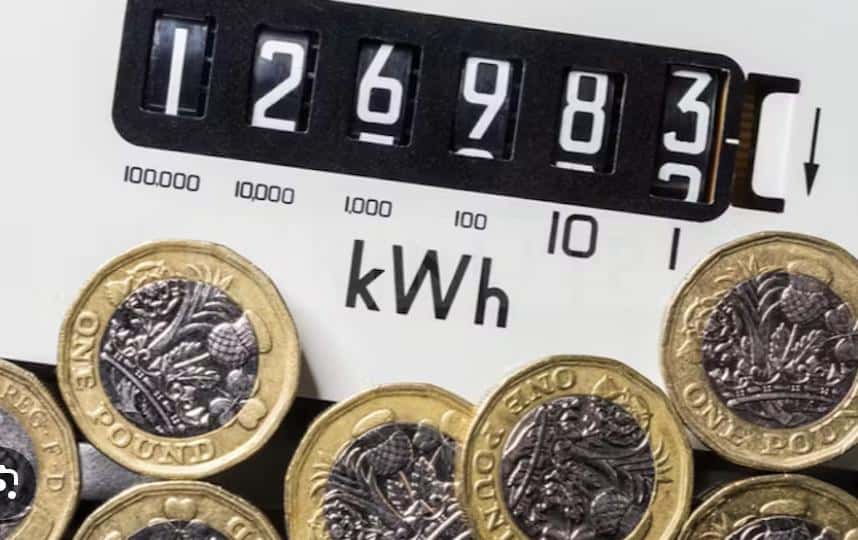
Introduced in January 2019, the cap sets a maximum unit price for gas and electricity on standard and default tariffs. While it limits the rate charged per kilowatt hour (kWh), it does not cap total bills, meaning those who use more energy will still pay more.
Although the forecasted July cap of £1,683 is a significant improvement from previous highs, it remains far above historic norms. In April 2021, the cap stood at just £1,138—more than £500 lower than the current projection.




Long-Term Outlook and the Push for Renewables
The UK Government continues to advocate for renewable energy investment, aiming to achieve 95% clean electricity by 2030. Experts, including Cornwall Insight, believe this is key to stabilising future household bills.
“The only real way to protect households from this constant cycle of instability is to reduce our dependence on international wholesale markets,” said Mr Lowrey.
“That means focusing on growing low-carbon energy generation here in Great Britain.”
What Is the Energy Price Cap?
The energy price cap is not a total bill limit. Instead, it sets a maximum charge per unit of energy. Your total bill will vary depending on usage. The cap applies to standard and default variable tariffs only, which currently cover the majority of UK households.