In a bold and controversial move, President Donald Trump has announced the immediate withdrawal of the United States from the World Health Organization (WHO), citing concerns over the organization’s handling of global health crises and its governance.
Announcement Details
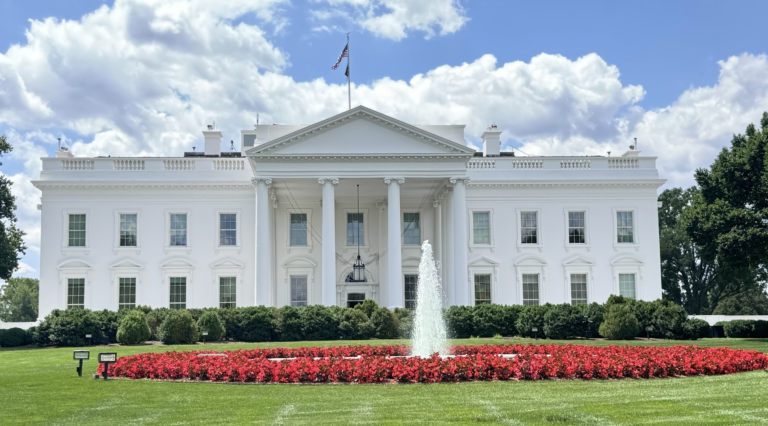
The announcement came during a press conference at the White House on Tuesday, where President Trump criticized the WHO for its “inefficiency, mismanagement, and undue influence from other nations.”
“The United States will no longer fund or be a part of an organization that fails to act in the best interests of global health and our nation,” Trump stated.
Reasons for Withdrawal
The decision marks a culmination of longstanding tensions between the Trump administration and the WHO. Key issues cited by the President include:
- The WHO’s handling of the COVID-19 pandemic, which Trump has previously called “disastrous and biased.”
- Alleged over-reliance on information from certain member states, which he claims compromised the global response to health emergencies.
- Financial concerns, with Trump criticizing the disproportionate share of funding provided by the U.S. compared to other nations.
Implications of the Withdrawal
The United States was one of the largest contributors to the WHO, providing an estimated $400 million annually. The withdrawal raises questions about the organization’s financial stability and its ability to respond to global health crises.
Health experts have expressed alarm, warning that the move could:
- Undermine international collaboration in addressing pandemics and health emergencies.
- Reduce the U.S.’s influence in global health decision-making.
- Create gaps in funding for critical health programs.
International and Domestic Reaction
The decision has drawn sharp criticism from global leaders and health experts, who argue that U.S. withdrawal weakens global health security. The Director-General of the WHO, Dr. Tedros Adhanom Ghebreyesus, expressed disappointment, calling for continued international cooperation.