On Sunday, an aeroplane carrying the bodies landed at the international airport in Erbil, the capital of Iraq’s autonomous Kurdish region.
Ambulances then took the coffins to the hometowns of those who died.
Video broadcast by Rudaw showed relatives grieving as the coffins were being moved from the airport.
“The last time I heard my son’s voice was when he got on the boat. He said ‘Don’t worry Mum, I will reach England shortly’. Now he’s back to me in a coffin,” said Shukriya Bakir.
Besides the 16 Iraqi Kurds, the 26 victims identified included an Iranian Kurd, four Afghan men, three Ethiopians, a Somali and an Egyptian.
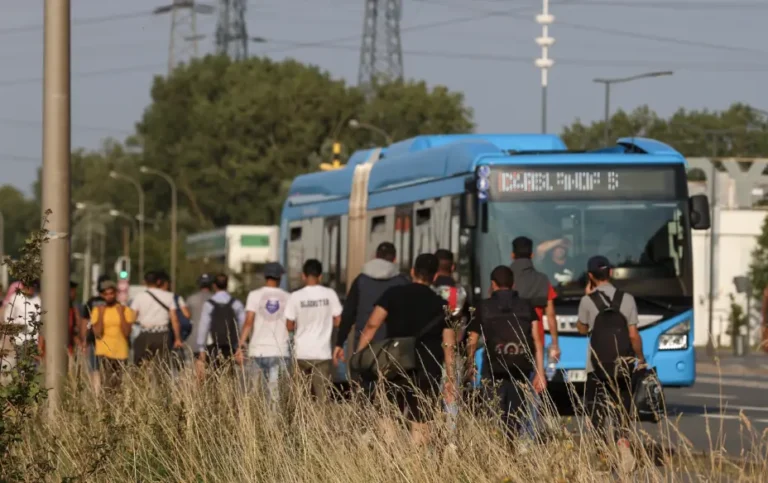
In the past decade, hundreds of thousands of people have arrived in Western Europe with the help of smugglers – fleeing conflict, persecution and poverty – on epic journeys from Iraq, Syria, Afghanistan, Yemen, Sudan and elsewhere. Few are welcomed.
Iraq is no longer at war since the defeat of ISIL (ISIS) in 2017 but growing unemployment and a lack of basic services, as well as a political system most Iraqis say is corrupt and nepotistic, mean many people see little chance of a decent life at home.
The UK, meanwhile, has in recent months witnessed increasing numbers of people fleeing conflict or poverty trying to reach its shores, hoping to win asylum or find better opportunities.
Many risk perilous journeys in small, unseaworthy craft from France, with such crossings having tripled this year compared with 2020.
The UK and France have promised to step up measures to stem the number of people attempting channel crossings, but diplomatic tensions between the allies spiked following November’s incident.
Stay connected to UKNIP via Google News
ENJOYED THIS STORY? Choose UKNIP as a 'Preferred Source' on Google News for quick access to the news you value.