
UK Prime Minister Sir Keir Starmer joined 12 other European and international leaders on November 21, 2025, to issue a joint statement welcoming U.S. President Donald Trump’s 28-point draft peace proposal for Ukraine. While the leaders hailed it as a “basis” for negotiations, they stressed it needs “additional work” to ensure a lasting peace.
The statement, released at the G20 summit in Johannesburg, shows diplomatic solidarity with Ukraine but stops short of endorsing controversial elements like military caps and territorial concessions favouring Russia.
Leaders Firm on Ukraine’s Sovereignty and Security
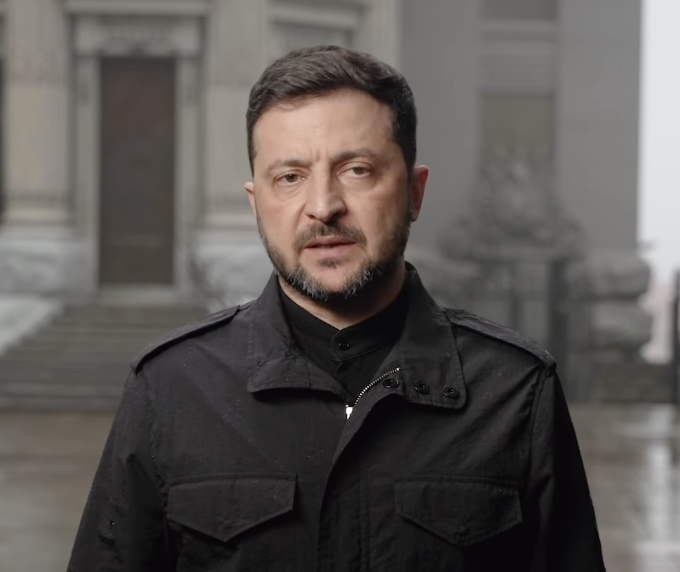
The joint statement, signed by President Volodymyr Zelenskyy, Starmer, Emmanuel Macron, Ursula von der Leyen, and others, underscores that Ukraine’s borders “must not be changed by force.” It also voices serious concerns over proposals to reduce Ukraine’s armed forces by half — a move seen as leaving Kyiv vulnerable.
“We believe the draft is a basis which will require additional work… We are clear that borders must not be changed by force,” the statement reads.
It demands that any EU or NATO-related provisions must have the consent of those institutions, signalling resistance to backchannel talks that excluded key allies. The document also reaffirms unwavering support for Ukraine’s sovereignty and security.
Starmer Pledges Billions and Diplomatic Balance
Starmer told reporters at the G20 opening, “Ukraine must determine its future under its sovereignty—that’s a fundamental principle.” He confirmed a call with Zelenskyy, Macron, and Germany’s Chancellor Friedrich Merz to strengthen the plan without undercutting NATO or EU security.
EU leaders echoed this stance. EU Foreign Policy Chief Kaja Kallas declared, “Nothing about Ukraine without Ukraine. One aggressor, one victim—no Russian concessions.” France’s Jean-Noël Barrot added, “Peace cannot be capitulation.”
Trump’s Controversial Draft Pressures Kyiv
Leaked on November 19, Trump’s 28-point draft demands Ukraine cede the entire Donbas region, freezes frontline positions in Kherson and Zaporizhzhia, and implicitly recognises Russian control over Crimea. The draft would slash Ukraine’s army from 900,000 to 600,000 troops, ban long-range missiles, and block NATO membership.
[block_2]
Economic terms propose lifting sanctions on Russia, readmitting Moscow to the G8, and channeling $100 billion in frozen Russian assets to U.S.-led reconstruction efforts—half of which would fund American interests.
White House Press Secretary Karoline Leavitt backed the plan: “President supports this. Good for both.” Trump told Fox News: “Zelensky’s going to have to approve it or keep fighting.”
Conflict Rages as Diplomacy Unfolds
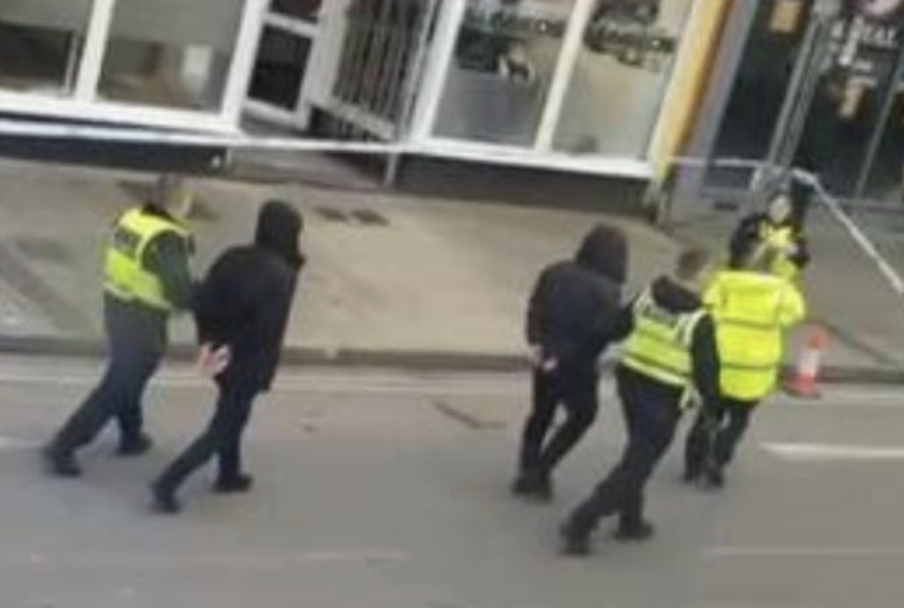
Despite negotiations, Russian attacks continue. On November 20-21, strikes killed dozens across Ukrainian cities including Zaporizhzhia, Ternopil, and Kharkiv. Russia holds 19% of Ukrainian territory, up from 18% last year, with Donetsk 75% occupied.
[block_4]
Zelenskyy’s talks with Turkey’s Erdogan seek to “intensify” peace efforts, but European alternative proposals delay key meetings.
As Zelenskyy told the UN Security Council, “No decisions outside sovereignty.”
The Clock Is Ticking
The statement’s call for “additional work” buys Europe time to coordinate before the U.S. deadline of November 27, which threatens aid cuts if Kyiv refuses.
But tensions rise as Trump’s firm timeframe and generous terms to Russia risk fracturing transatlantic unity.
Zelenskyy remains defiant: “Pressure to weaken us, but we’ll work with America and partners.”