The Chief Executive of NHS England, Amanda Pritchard, has issued a warning about the dangers of “touch of a button” bets, following a significant increase in the number of people seeking help for gambling addiction in England. Pritchard also expressed concerns about the pervasive presence of gambling adverts targeting children and adults. In response to the soaring demand, the NHS is expanding its support for individuals struggling with gambling problems.
Last year, a record-breaking 1,389 patients were referred for help, marking a substantial increase from 1,013 referrals in the previous 12 months and 775 two years ago. This rise in cases prompted the NHS to announce the establishment of seven additional specialist gambling clinics to cater to those in need.
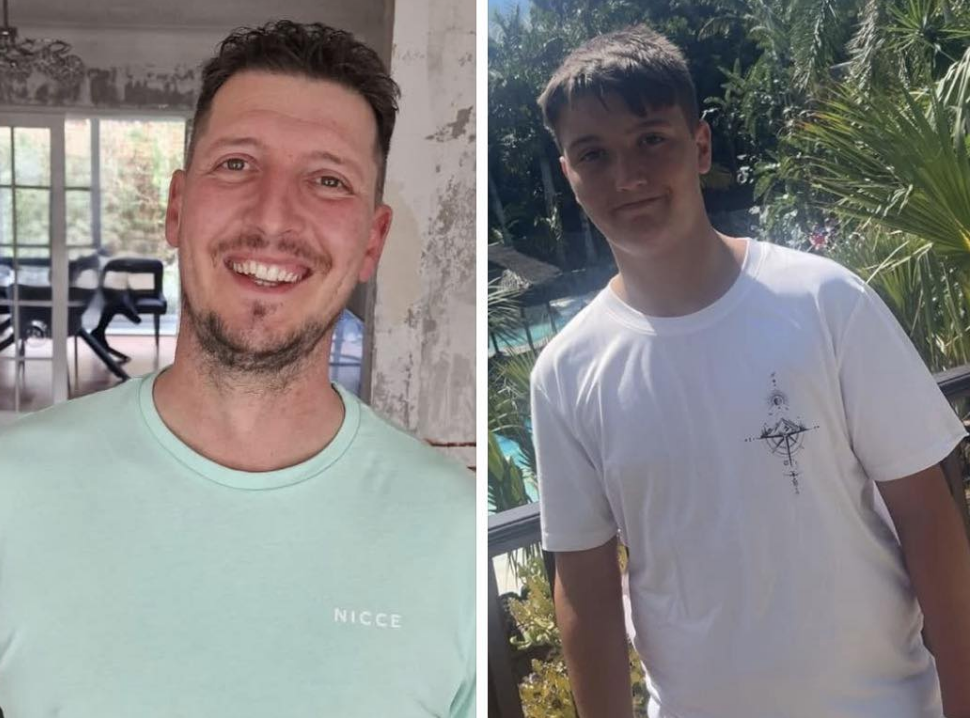
The announcement comes just days after a coroner ruled that a gambling disorder played a role in the tragic death of a father of two. Luke Ashton, who took his own life at the age of 40 on April 22, 2021, had accumulated significant debts of £18,000 after losing thousands of pounds gambling on Betfair’s exchange. The coroner, Ivan Cartwright, stated that the betting company could have done more to assist Ashton before his untimely death.
The newly established NHS clinics will be located in Milton Keynes, Thurrock, Bristol, Derby, Liverpool, Blackpool, and Sheffield. They will complement the existing clinics in London, Leeds, Newcastle, Manchester, Southampton, Stoke-on-Trent, and Telford. Additionally, a national clinic in London, which provides treatment for both gambling and gaming addiction in children and young people, is already operational.
The expansion of specialist gambling clinics reflects the growing recognition of the need to address gambling addiction as a serious public health concern. The NHS aims to provide comprehensive support and treatment to individuals struggling with gambling problems, emphasising the importance of early intervention and tailored care.
As Amanda Pritchard highlighted the risks associated with easy access to gambling through online platforms, she called for increased regulation to protect vulnerable individuals, particularly children. The proliferation of gambling adverts, bombarding individuals on various platforms, has raised concerns about the normalisation of gambling behaviours and the potential harm they can cause.