GRAIN —
Location
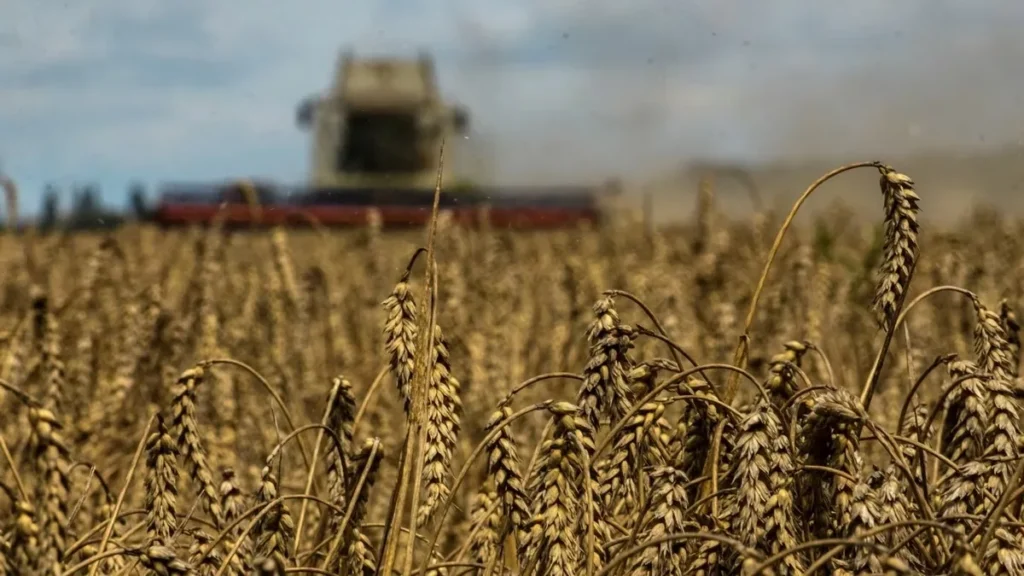
The two countries had implemented the ban to protect their farming sectors from cheaper imports, which they felt were a threat to their economy. The ban included grains, dairy products, sugar, fruits, vegetables, and meats and was to be effective until the end of June.
[block_2]
However, the European Commission stated that individual member states do not have the authority to formulate trade policy. The rejection of the ban has led to a debate about the Ukraine grain deal and whether it is working effectively. The majority of Ukrainian grain is exported through the Black Sea, but last year’s Russian invasion resulted in an interruption in export routes. This led to a surplus of Ukrainian grain that ended up in central Europe.