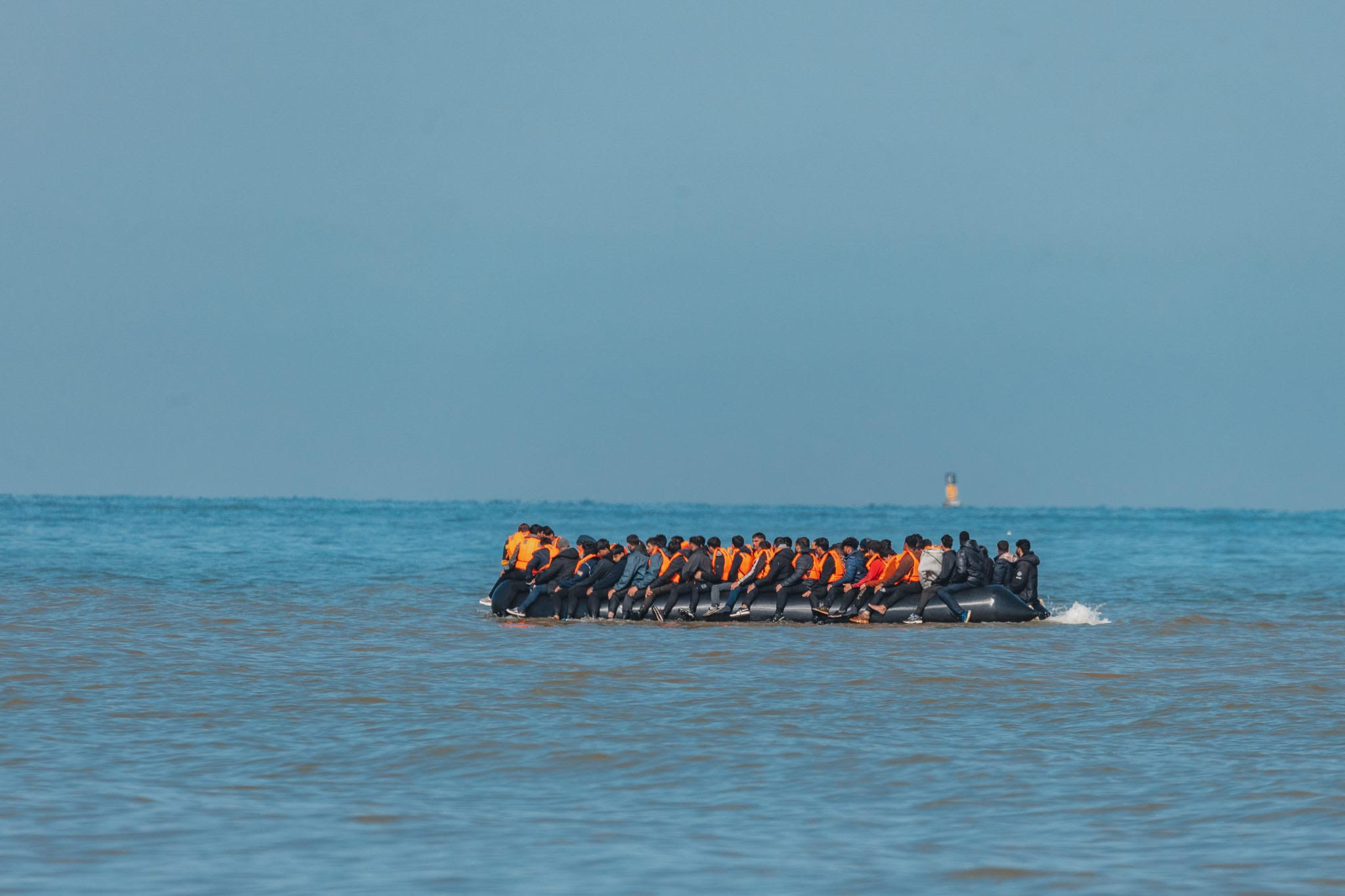
The Coastguard officials confirmed the rescue of 35 boats that had left Tunisia last weekend, with three boats encountering difficulties on their way to Europe.
At least 23 people are missing from the three vessels, and so far, 70 bodies have been recovered from the sea. The rescue operation involved air and naval support from the Coastguard, Border Police, the European border protection agency Frontex, and a humanitarian organisation.
The weekend’s arrival of hundreds of migrants has left Italian officials scrambling to find new arrangements to move them from the island. In the past, the Italian authorities have used commercial ferries and military vessels to transfer migrants from Lampedusa island to Sicily or the mainland. Italy’s far-right Prime Minister Giorgia Meloni has led a crackdown on smugglers and charity boats. However, migrants continue to risk the dangerous voyages in the hope of finding work or relatives in Europe.
The number of arrivals in Italy has risen sharply this year, with more than 36,600 migrants arriving since the beginning of the year, according to figures from Italy’s Interior Ministry. This number is more than four times the number of migrants that arrived for the same period in each of the previous two years. Italy rejects most asylum bids because the migrants are fleeing poverty, not war or persecution.
However, since Italy has repatriation accords with only a few countries, migrants who lose asylum bids often remain in a legal limbo or try to make their way to northern European countries.