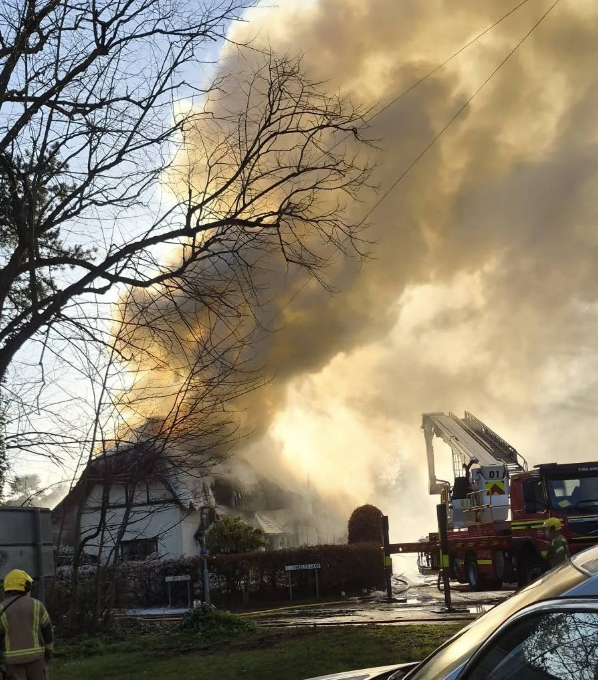
South Africa’s government has recently revoked a national “state of disaster” that was declared in February to manage a crippling electricity crisis. The crisis arose due to daily rolling power cuts by state utility Eskom, which was caused by frequent breakdowns at its ageing coal-fired power stations and years of corruption. On February 9, President Cyril Ramaphosa invoked disaster regulations to help manage this crisis that had taken a toll on households and small businesses in Africa’s most industrialised nation.
[block_2]
The state of disaster gave the government additional powers to respond to the crisis, including by permitting emergency procurement procedures with fewer bureaucratic delays and less oversight. However, some analysts were doubtful of this approach, and a non-profit organisation that focuses on fighting government corruption and tax abuses, OUTA, challenged the use of this legislation in court. OUTA argued that the disaster regulations would have enabled corruption and that the crisis could be managed using existing laws.