It’s hard to ignore how much games have changed lately. If you’ve spent any time in a modern RPG or a competitive shooter, you’ve probably noticed that the line between a traditional video game and a high-stakes digital experience is getting thinner by the day. We aren’t just playing through stories anymore; we are constantly moving from one “event” to the next. This isn’t an accident. It’s the result of a massive crossover in how developers design the moments that keep us glued to our screens.
The Anatomy of the Pause
At its core, game design used to be about a steady flow—running from point A to point B, jumping over obstacles, or solving a puzzle. But lately, games have started leaning into a specific kind of rhythm—one that feels like it was plucked right off a casino floor. Think about that moment when you finish a gruelling boss fight. The music swells, the UI shifts, and suddenly you’re staring at a chest that shakes and glows, practically vibrating before it finally bursts open.
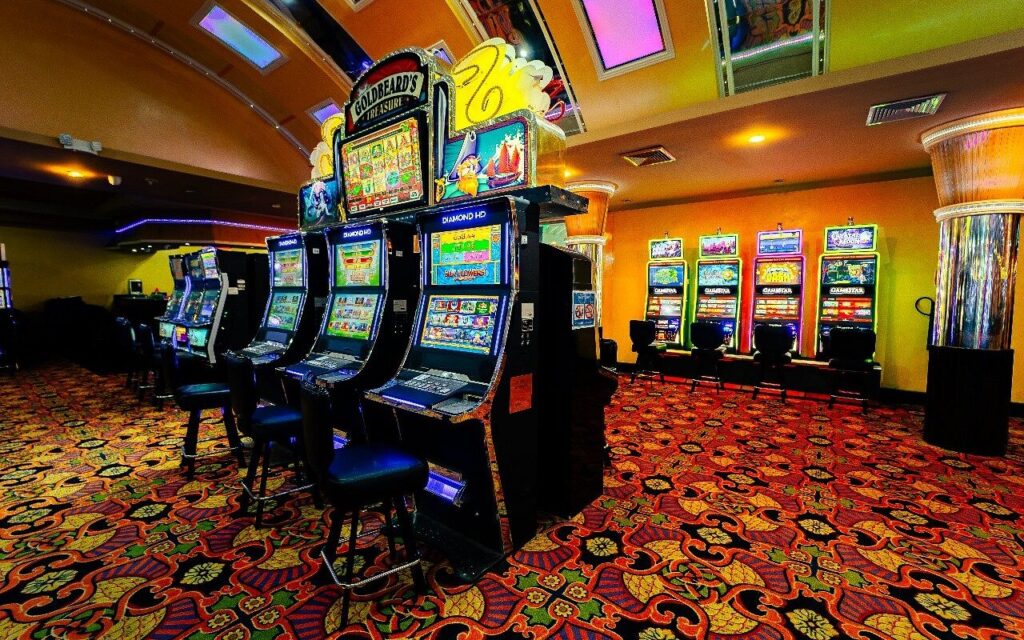
You’ll often hear people bring up titles like Big Bass Bonanza in these conversations, and for good reason: it’s a textbook example of how a game can just stop, crank up the tension, and deliver a massive payoff before letting you catch your breath. That same structure now appears across almost every genre. Whether it’s a flashy loot drop or a limited-time event, the design principles once tucked away in slots have quietly bled into mainstream gaming. It’s all about the “micro-event”—a self-contained burst of excitement that feels totally different from the rest of the experience.
Why Does This Feel So Familiar?
Ever wonder why opening a pack of digital cards or a reward crate feels so heavy with anticipation? It’s because the industry has perfected the “near-miss” and the “big reveal.” Developers use lights, specific sound frequencies, and haptic feedback to make sure you know something important is happening. It’s a psychological trick, really. By breaking the standard gameplay with these flashy bonus-style rounds, developers create a mental bookmark. You might forget those twenty minutes you spent just wandering through the woods, but you’ll definitely remember the three seconds it took for that legendary sword to pop out of a crate in a shower of golden light.
The Evolution of the Reward
We’ve seen this evolve from simple high scores to complex systems that govern how we interact with our favourite titles. This shift has sparked a lot of conversation about where the “game” ends and the “system” begins. For instance, the controversy surrounding loot boxes is essentially a debate over how much of this “event-based” design actually belongs in the medium. When the rush of the “drop” or the “bonus” starts to feel more rewarding than the gameplay itself, you really start to see the strings being pulled.
It’s a tricky balance to strike. On one hand, these cinematic reward moments make games feel more alive and reactive. On the other hand, we have to ask ourselves: are we playing for the thrill of the skill, or are we just waiting for the next dopamine-heavy event to trigger? It seems like every major studio is still trying to figure that out.
What’s your take on this shift? Do you enjoy the flashy, event-style rewards, or do you miss the days when a reward was just an item added to your inventory—no light show required? Let us know in the comments below.