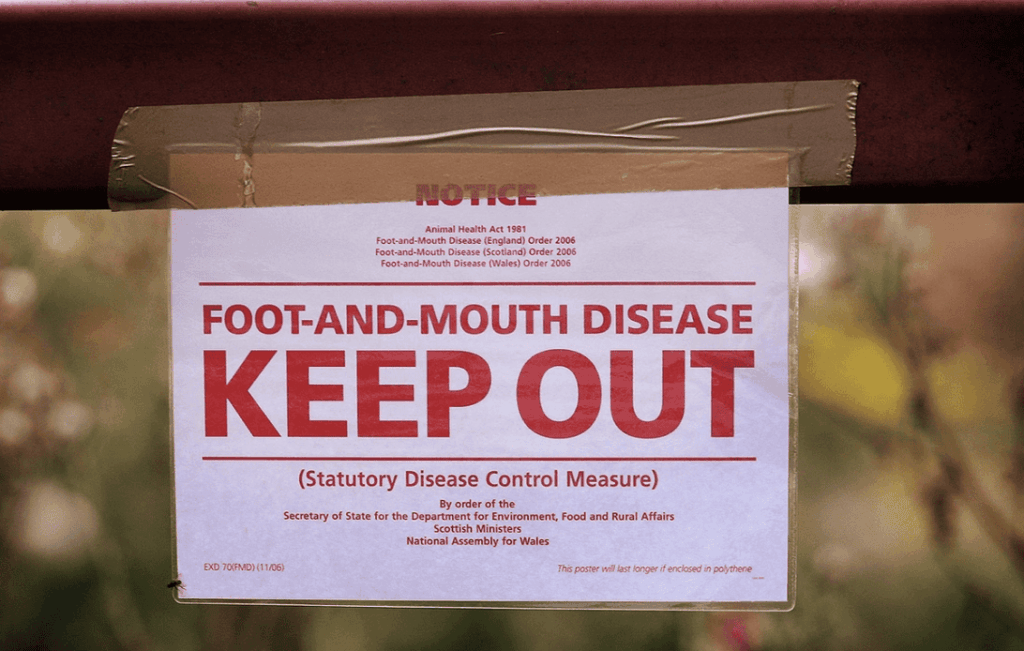
Starting today, 12 April 2025, travellers entering Great Britain from EU countries will face strict new restrictions on bringing meat and dairy products, in a major effort to protect the UK’s livestock industry from a resurgence of foot and mouth disease (FMD).
The Animal and Plant Health Agency (APHA) has warned that just one infected item of meat or dairy product could reintroduce the disease, which would have catastrophic economic and animal welfare consequences.
What’s Banned – and What’s Not
Under the new regulations, EU travellers will no longer be permitted to bring the following into England, Scotland, or Wales:
- Raw or cured meats from cattle, pigs, sheep, or goats
- Dairy products, including cheese and milk
- Sandwiches, snacks, and duty-free items containing banned ingredients
Exemptions apply for items such as:
- Infant formula and specialised medical foods
- Small quantities of certain processed items like chocolate, pasta, and biscuits
The ban does not apply to travellers arriving from Northern Ireland, Jersey, Guernsey, or the Isle of Man.
Penalties for Breach
Travellers who fail to comply risk having items seized at the border, with fines in England reaching up to £5,000. Dr Jorge Martin-Almagro, the UK’s Deputy Chief Veterinary Officer, said: “Robust contingency plans are in place, but public compliance is absolutely critical to limiting the risk of FMD incursion.”

Travellers are urged to check Defra’s website before travelling to ensure they are not carrying restricted items.
Livestock Farmers Urged to Stay Alert
Although the UK is currently free from FMD, farmers are being asked to remain vigilant for symptoms, which differ by species:
- Cattle: Mouth sores, blisters, fever, lameness
- Pigs and Sheep: Lameness, possible blistering around the snout and hooves
Farmers are reminded to source feed and bedding only from trusted suppliers and maintain strong biosecurity practices. The APHA has issued guidance on recognising and reporting FMD, urging anyone who suspects a case to report it immediately via the agency’s emergency helpline.
Public Reaction Mixed
Reaction to the new rules has been divided. On X (formerly Twitter), one traveller wrote: “No more bringing my favourite Spanish chorizo to the UK? Ridiculous.”
But others expressed support, including one farmer who posted: “Better safe than sorry—FMD could wipe out my herd overnight.”
The National Farmers’ Union (NFU) has backed the restrictions, calling them “essential to protect British agriculture.” However, there are concerns about potential trade disruptions, given the UK’s reliance on EU food imports.
Global Lessons and Local Impact
The UK’s policy shift reflects wider international efforts to tackle FMD, a disease that costs the global economy $11 billion annually, according to the World Organisation for Animal Health (WOAH). Countries like Australia have long implemented strict import controls, serving as models for proactive biosecurity.




Defra and APHA will continue to monitor the situation across Europe and adjust restrictions based on evolving risk assessments.
What Travellers Should Do
- Check Defra’s guidance before travelling
- Do not bring meat or dairy products from the EU into Great Britain
- Declare items if unsure at border control
- Report suspicious goods to authorities