2,000-Year-Old Roman Wine Found Preserved in Spanish Tomb
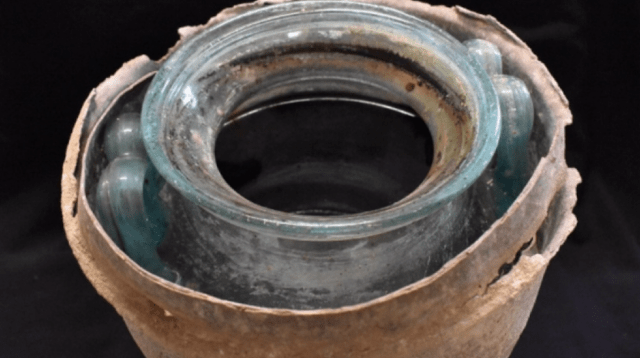
Over two millennia ago, Hispana, Senicio, and four others were laid to rest in a Roman tomb in Carmona, Spain. Little did they know their burial ritual would leave behind a spectacular archaeological legacy. One of the men’s skeletons was immersed in a mysterious liquid sealed inside a glass funerary urn. Fast forward to today, and that liquid has stunned researchers—it’s ancient wine, perfectly preserved since the 1st century AD.
Remarkable Preservation in a Sealed Tomb
The secret to this extraordinary find? The tomb’s airtight conditions kept the reddish liquid intact for over 2,000 years. Unlike other burial sites damaged by floods or leaks, this urn’s sealed environment locked in the wine’s natural state, baffling archaeologists with its near-pristine condition.
Scientists Confirm the Ancient Vintage
A top team from the University of Cordoba’s Department of Organic Chemistry put the liquid to the test. They measured pH levels, organic matter, mineral salts, and chemical compounds. By comparing these to modern wines from Montilla-Moriles, Jerez, and Sanlúcar, they confirmed the liquid was indeed wine.
The clincher? Polyphenols—biomarkers found only in wine. Researchers identified seven specific polyphenols matching those in wines from southern Spain. Missing was syringe acid, a polyphenol typical of red wine, proving this was white wine, likely degraded over centuries.
The Mystery of Its Ancient Origin
Pinpointing the exact original vineyard proved tricky. No 2,000-year-old wine samples survive for comparison. However, the mineral salts in the urn closely resemble those in today’s Montilla-Moriles white wines, hinting the Romans were sipping local vintages back then.
Gender Rules in Roman Funerary Traditions
The wine wasn’t just a drink—it was a symbol. In ancient Rome, wine was considered a “man’s drink,” forbidden to women. The tomb reflects this social divide. While the man’s bones were bathed in wine, the woman’s urn contained amber jewels, a patchouli perfume bottle, and silk fabric scraps instead.
This funerary trousseau was designed to equip the dead for the afterlife and offers a rare, intimate glimpse into Roman customs. The discovery not only preserves ancient wine but also reveals the gendered rituals of Roman burial practices.