RNLI to Boost Hastings Lifeboat Fleet with New Mk 4 Atlantic 85 in 2027
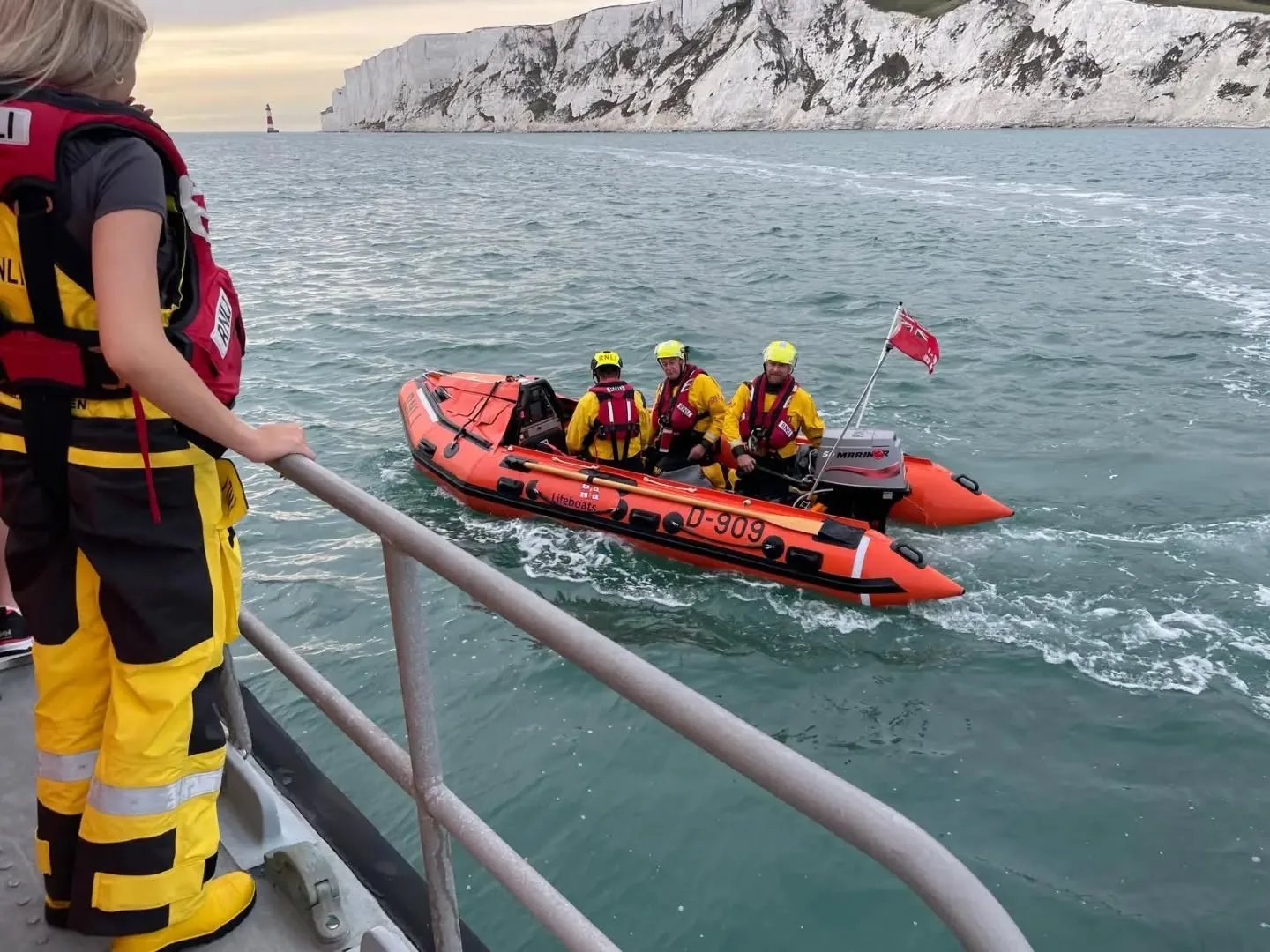
The RNLI is gearing up for a major shake-up of its fleet with the arrival of a new Mk 4 Atlantic 85 inshore lifeboat at Hastings in 2027. This upgrade aims to tackle the changing face of sea rescues around the UK and Ireland.
Shannon Class Retires as Atlantic 85 Steps In
The sleek new craft will replace the Shannon class all-weather lifeboat Richard and Caroline Colton, which has been a staple at Hastings since 2018. The swap mirrors a shift in rescue calls, with more incidents happening closer to shore thanks to the rise in paddleboarding, open water swimming, and other watersports. The RNLI needs speedy, agile boats that can tackle these near-shore emergencies without delay.
Built for Tough Seas and Rapid Response
“We are committed to supporting Hastings through this change. We are confident the Mk 4 Atlantic class lifeboat is the most suitable asset to serve this area of the coastline. We acknowledge the generosity of the local community at Hastings, for which we are incredibly grateful. We hope that their support will continue as we adapt our lifeboats around the coast of the UK and Ireland to the changing nature of lifesaving,”
said Craig Maltby, RNLI area operations manager.
Designed to punch well above its weight, the Mk 4 Atlantic 85 can operate dangerously close to cliffs and rocky shores. It stands firm against near-gale force winds — up to force 7 by day and force 6 at night — keeping both crew and casualties safe in perilous conditions.
Part of a Wider National Fleet Renovation
Hastings is not alone in this life-saving upgrade. By 2027, 20 of the RNLI’s 238 lifeboat stations will swap their vessels to match changing rescue needs. Alongside Hastings, stations at Ilfracombe and Lytham St Annes will also trade their Shannon lifeboats for Atlantic 85s.
“For over 200 years, the RNLI has been a charity with a simple mission – to save lives at sea. Clear evidence shows the nature of lifesaving is changing, at a time when demand for our vital service is increasing. We must respond to this,”
said RNLI Chief Executive Peter Sparkes.
“If the RNLI is going to save even more lives, our lifeboat and lifeguard services must continue to adapt to these changing needs. We have a responsibility to spend our donors’ money where it will best meet the evolving demand. Our lifeboat fleet strategy ensures that the decisions we make today will set us on a sustainable trajectory, providing a future-fit, safe, and effective lifesaving service.”
The RNLI makes clear this overhaul is not about cutting resources but about perfectly tailoring lifeboat coverage. It’s about safer seas and faster rescues, wherever they’re needed most.