Horses Help Restore Norfolk’s Rare River Yare
The Environment Agency teamed up with Norfolk River Trust, Norwich City Council—and even horses—to give the River Yare a major makeover. This rare chalk stream running through Norwich has seen a host of improvements to boost wildlife and clean up the water.
Woodland Debris Brings River Back to Life
Volunteers stacked woody debris along the riverbanks to form “brash berms.” These natural barriers narrow the river, restoring it closer to its original state before it was altered for milling centuries ago. The brash berms also trap sediment, making the water clearer and healthier.
Wood was further used to create zones where water flows at different speeds. This variety provides perfect wet and dry habitats for aquatic bugs and riverside wildflowers to flourish.
Fish also get a boost. Wooden structures offer them safe hideouts from predators and shelter during strong currents.
Heavy Horses Cut Carbon Footprint
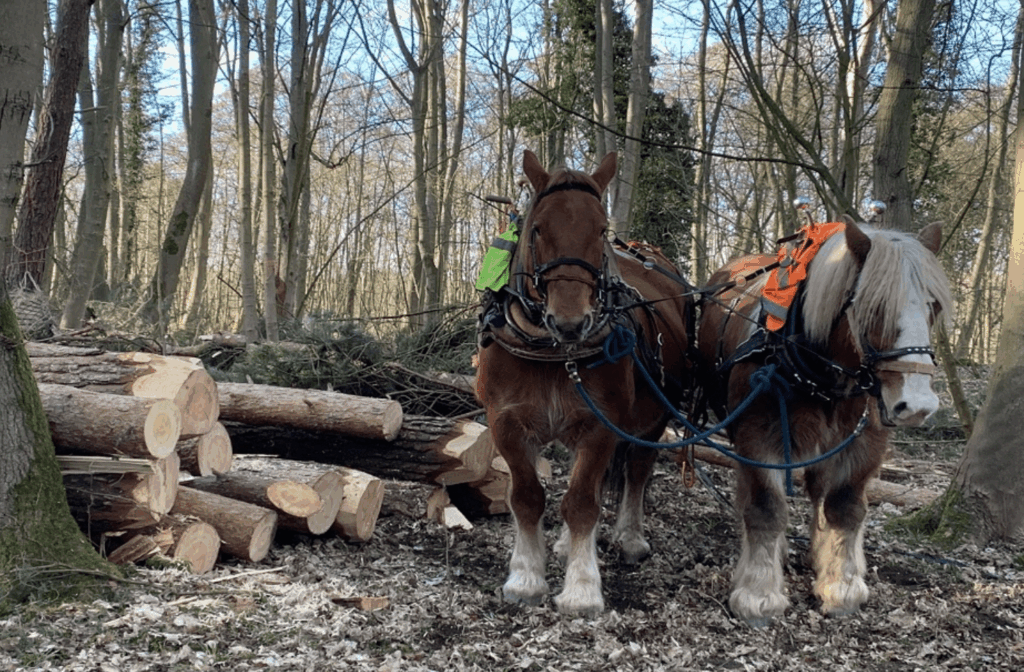
In a green twist, heavy horses hauled the wood along the riverbank. This eco-friendly move reduced the need for machinery, slashing the project’s carbon footprint.
Amy Prendergast, Environment Agency Project Manager, said:
“It is great to work with our partners to make such a difference to this precious chalk stream, the overall water environment, and wildlife.
“It’s extra rewarding knowing our work is visible to the public so they can enjoy the benefits this project will bring.”
Sarah Gelpke, Norfolk Rivers Trust Officer, added:
“This stretch of the Yare was historically modified with steep banks, slow flow, and deep silt patches.”
“Working with Aquamaintain, we added brash berms and wooden structures using local natural materials. We’re already seeing better water flow and will keep monitoring habitat quality and wildlife impact.”
“Using a Norfolk-based horse logger helped us protect the nearby woodland and fen grassland from disruption.”
Why Chalk Streams Matter
Chalk streams like the Yare are England’s natural treasures—often called the UK’s rainforests. Around 85% of the world’s chalk streams are right here in England, with nearly 30% in East Anglia alone.
East Anglia’s drinking water mostly comes from rain soaking into deep chalk aquifers underground that feed these streams.
This project isn’t just about beautifying the river — it’s about protecting a vital, rare ecosystem for future generations.