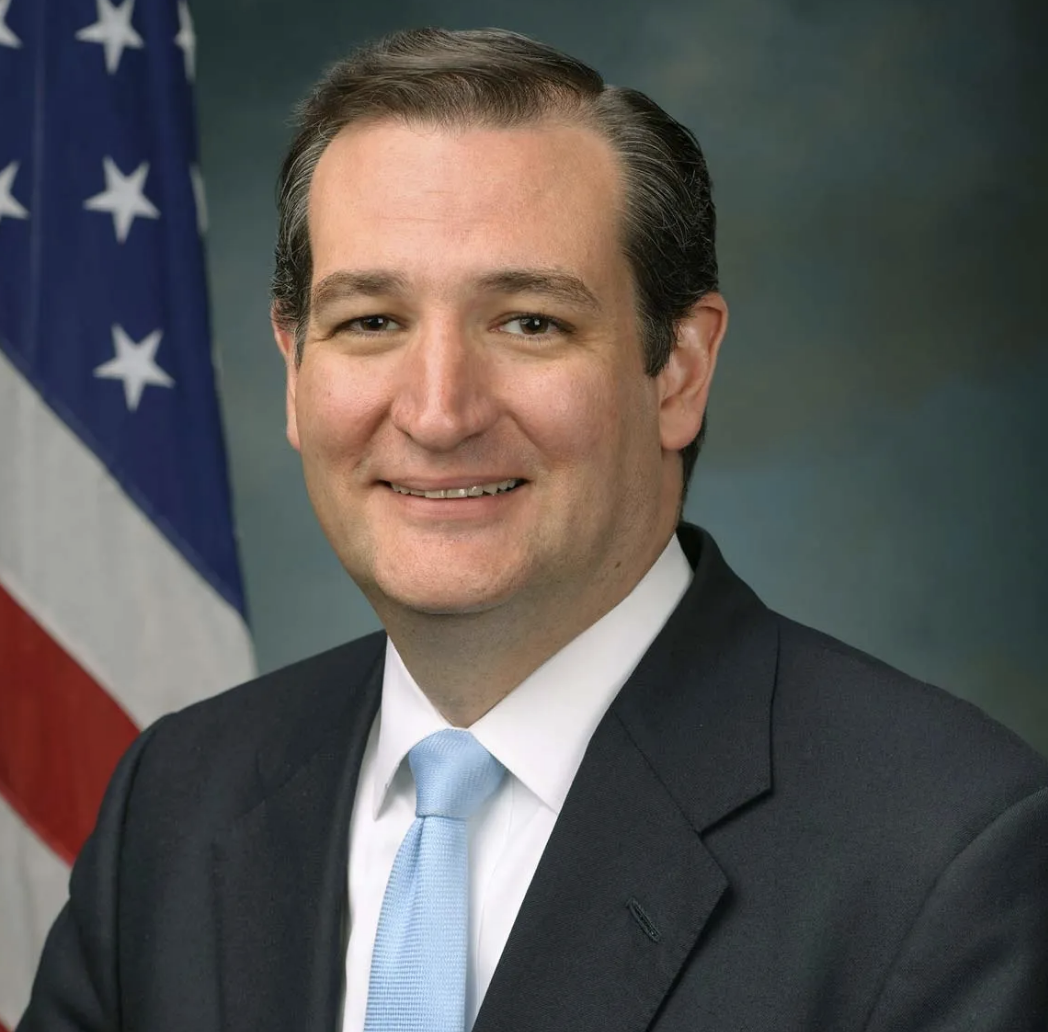

Senator Ted Cruz has ignited a fierce online row after drawing a line between the Christian declaration “Christ is King” and its twisted misuse by far-right extremists as a cover for antisemitism.
Cruz: Faith vs. Far-Right Code
In a March 2026 interview with CBN News, the Texas Republican was crystal clear: “Christ is King” is a genuine expression of Christian belief, rooted in the Bible’s Book of Revelation, which calls Christ “King of kings and Lord of lords.” But Cruz warned the phrase isn’t innocent everywhere.
“Certain online groups use ‘Christ is King’ as a code — a sneaky way to disguise anti-Jewish hatred,” he said. According to Cruz, this weaponised use acts less as worship and more as a hidden signal spreading hostility toward Jewish people in far-right circles.
Warning Over Rising Antisemitism
This controversy fits into Cruz’s broader alarms about antisemitism creeping into the Republican Party and some churches. He slammed “replacement theology” — the belief that Christians have replaced Israel as God’s chosen — calling it a “heresy” that “undermines biblical promises.”
Citing Genesis 12:3, Cruz framed his staunch support for Israel in deep theological terms, warning that letting this heresy spread is dangerous for faith and politics alike.
Divided Reactions and Conservative Feuds
The internet blew up quickly, with many users protesting Cruz’s claims, accusing him of unfairly branding a sacred phrase antisemitic. Supporters rushed to clarify that Cruz condemned only the phrase’s weaponised use, not its devotional meaning.
Some evangelicals backed Cruz, insisting “Christ is King” should remain pure worship, not a political tool.
The debate also reopened old wounds in conservative media. Cruz has previously slammed heavyweights like Tucker Carlson and Candace Owens for promoting antisemitic narratives online. Owens left The Daily Wire in 2024 after a high-profile spat with Ben Shapiro — a time when the phrase gained traction in extremist spaces.
Religious Language Under Scrutiny
This row highlights an ongoing struggle over religious words clashing with political identity and online extremism — a heated battleground with no easy answers in sight.