No Funeral for Soham Killer Ian Huntley
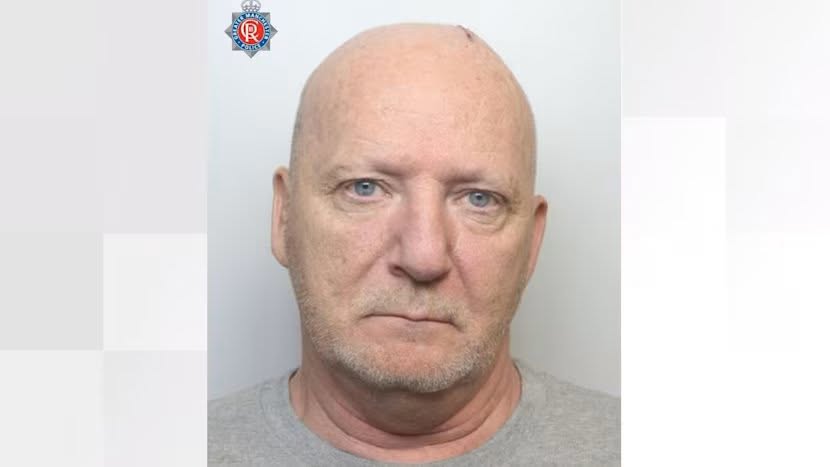
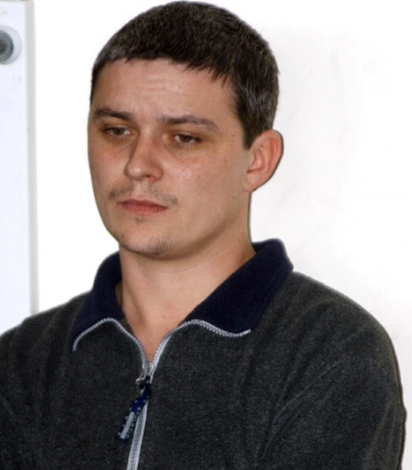
Ian Huntley, convicted of one of Britain’s darkest crimes, will not have a funeral, public memorial, or mourners. The notorious Soham murderer’s family has turned down a government-funded funeral service, choosing a private cremation instead.
Family Opts for Private Cremation
Huntley’s ashes will be returned quietly to relatives. There will be no ceremony, no public acknowledgement, and no gathering to mark his death. This decision comes amid ongoing public sensitivity surrounding his heinous crimes.
A source close to the arrangements said, “There will be no service, no memorial, no mourners, nothing. It is as it should be.”
Legacy of a Crime That Shook Britain
Huntley was jailed for life in 2003 for the murders of 10-year-olds Holly Wells and Jessica Chapman in Cambridgeshire. The shocking case triggered the Soham Inquiry, exposing serious police failings in vetting and intelligence sharing.
This led to sweeping changes in child protection laws and stricter background checks for anyone working with children across the UK.
Closing a Dark Chapter in Silence
The private cremation avoids public spectacle and controversy, ensuring no fresh distress for the victims’ families or community. Authorities have confirmed there will be no further announcements, nor any details revealed about the cremation.
For many, skipping the funeral is fitting – keeping the focus on the victims, not the man responsible for their tragic deaths.