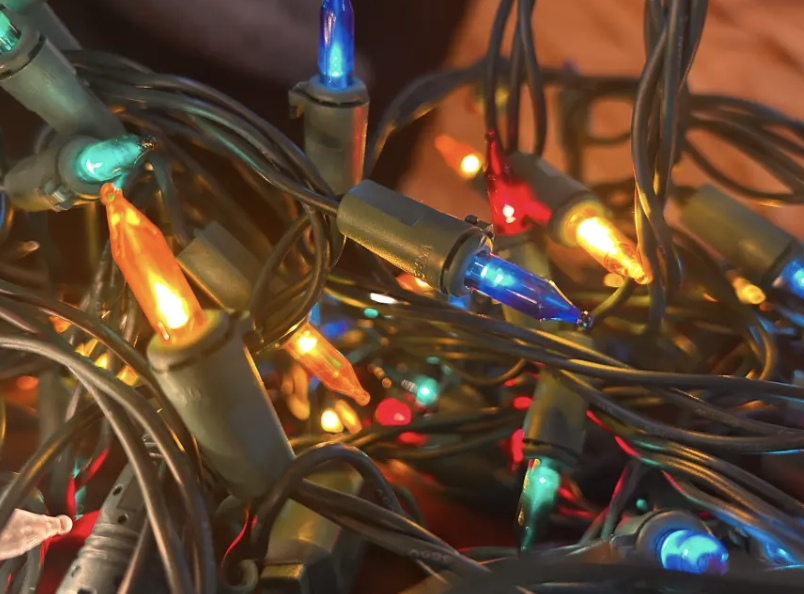
As December rolls in, Brits start decking their halls and lighting up the streets. But before you string those fairy lights on your home, watch out — you could face a hefty fine for causing a “light nuisance.” Yes, even festive cheer has its legal limits!
Legal Limits on Festive Lights Revealed
There’s no outright ban on Christmas lights, but the Environmental Protection Act 1990 gives councils power to act if your dazzling display “unreasonably and substantially interferes” with neighbours’ peace or health. That means if your blinking bulbs keep someone up or spoil their view, you’re in trouble.
The Department for Environment, Food and Rural Affairs (Defra) clarifies that nuisance can come from any artificial light, including your festive decorations. Councils judge complaints based on how often the lights shine, for how long, and whether they affect normal people living nearby.
How Councils Crack Down on Christmas Light Grinches
Caught red-handed? Local councils can issue abatement notices forcing you to switch off or limit lighting hours. Ignore the orders and you risk fines soaring up to £5,000 — or even prosecution.
Legal pros at Fosters Solicitors warn homeowners to chat with neighbours before turning their home into a winter wonderland, especially if you suspect a “Grinch next door.” Avoid blasting lights into windows or blocking access pathways.
Scrooge Law Hits a Stoke-on-Trent Family
Last Christmas, a family in Stoke-on-Trent got slapped with a legal demand to turn off their festive lights after neighbour complaints of light pollution. Online chatter suggests blackout curtains and careful light positioning as handy ways to dodge disputes.
So, if you want festive fun without fines, keep the sparkle neighbour-friendly and know the rules of the light game.