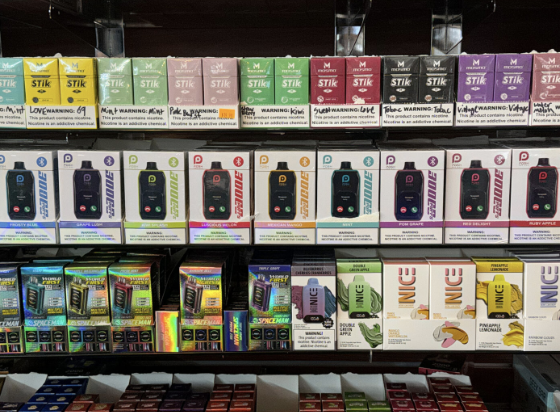
The global vaping industry is undergoing a significant transformation as a new generation of smart vaping devices begins to shape market demand. These advanced systems, which integrate digital features, enhanced safety functions, and personalised user settings, are rapidly moving from niche innovation to mainstream adoption. Manufacturers across major markets are embracing sophisticated technologies to meet rising consumer expectations, pushing the sector into a phase of modernisation driven by connectivity, data insights, and performance optimisation.
Growing Consumer Shift Toward Intelligent Devices
The early years of vaping were dominated by simple devices focused primarily on vapour production and flavour delivery. However, the current wave of innovation is more closely aligned with consumer electronics trends. Brands are investing heavily in devices equipped with sensors, real-time monitoring tools, and app connectivity that allow users to customise their experience. Established names such as 88 vape are also observing this shift, with demand increasingly favouring products that offer higher control, enhanced safety, and a tailored vaping profile. As consumers become more accustomed to smart home and wearable technologies, the natural progression toward intelligent vape systems is continuing to accelerate.
Technology Integration Accelerates Product Development
Smart vaping devices often incorporate high-precision chips, Bluetooth integration, automated coil recognition, and advanced battery management systems. These features allow devices to adjust wattage, airflow, or temperature automatically based on user preferences or pre-set profiles. Manufacturers report that this integration of technology is reducing the risk of overheating, providing more accurate nicotine delivery, and helping users avoid dry hits, all of which contribute to improved safety and satisfaction.
Research and development teams within large vape firms are focusing on creating more intuitive interfaces and seamless connectivity between devices and proprietary apps. Real-time analytics, such as puff count tracking and usage monitoring, are increasingly central to product marketing. This technological convergence is attracting a broader consumer base, including those who view vaping as part of a wider ecosystem of smart living solutions.
Safety Enhancements Reinforce Market Trust
Safety remains a primary concern for both regulators and consumers. Smart vaping devices are helping address this by incorporating automated shutdown systems, chip-based protections, and sensors that detect anomalies in power output or coil performance. These improvements not only reduce safety risks but also create greater transparency for users. The devices’ ability to self-regulate has been cited as one of the driving forces behind their growing popularity in regions with stringent regulatory frameworks.
Manufacturers are also refining quality control through digital oversight during production. Devices with built-in diagnostics can identify potential hardware issues early, reducing the likelihood of defective products entering the market. These advancements support the industry’s efforts to build consumer trust and comply with evolving safety standards worldwide.
Impact of Global Market Expansion
As international markets reopen fully and supply chains stabilise, smart vaping devices are experiencing stronger sales momentum. Regions such as Europe, North America, and parts of Asia are seeing heightened adoption, driven by a combination of consumer interest and retailer investment in smarter product lines. Retailers are prioritising devices that offer higher margins, better longevity, and advanced features that differentiate them from traditional vape pens.
Global demand is also boosted by the rise of refillable and modular systems, which integrate seamlessly with smart technology. Consumers seeking a more customised and efficient vaping experience are gravitating toward devices that allow firmware updates, performance adjustments, and compatibility with a range of accessories. This shift is contributing to sustained market growth and encouraging distributors to expand their assortments.
Role of Data in User Experience and Product Evolution
One defining characteristic of smart vaping devices is their ability to gather data that enhances both user experience and product innovation. Through connected apps, users can monitor consumption patterns, adjust device settings remotely, and receive personalised recommendations. This data-centric approach not only enriches the experience but also provides manufacturers with insights that support improved design and targeted product development.
For businesses, this feedback loop offers a competitive edge. Understanding how consumers interact with their devices enables manufacturers to address gaps in performance, introduce new features, and optimise battery efficiency. As competition intensifies, data-driven refinement is becoming essential in maintaining market relevance.
Regulatory Implications and Industry Response
Smart vaping devices are also influencing regulatory discussions. Their built-in safety functions and traceability appeal to regulators seeking greater oversight of vape products. Some governments are considering whether connected devices could help track underage usage patterns or enforce parental restrictions. While the regulatory landscape continues to evolve, smart technology offers an opportunity for the industry to demonstrate responsibility and compliance.
Industry groups are highlighting the potential of smart devices to support harm reduction efforts. By providing precise nicotine delivery and eliminating combustion, these devices align with public health targets in several markets. As such, manufacturers are advocating for clear, balanced regulations that support innovation while maintaining safety and consumer protection.
Sustainability in the Age of Smart Vaping
Sustainability remains a core focus as consumers prioritise environmentally friendly choices. Smart vaping devices, typically designed for longer-term use, contribute to reduced waste when compared to disposable alternatives. The use of durable materials, firmware updates, and replaceable components encourages extended product life cycles.
Manufacturers are also exploring recyclable materials and environmentally conscious packaging for their smart product lines. As sustainability becomes a key purchasing factor, brands integrating green practices into production and design are gaining greater appeal among consumers who value long-term usage and reduced environmental impact.