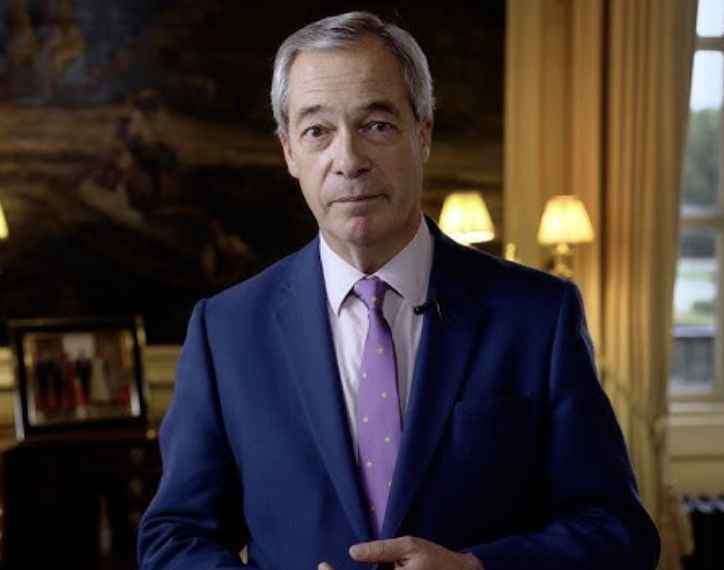
Nigel Farage has slammed rumours of an electoral alliance between his Reform UK party and the Conservatives ahead of the next general election. The Reform leader rejected the idea outright, insisting he only wants a “reverse takeover” of the struggling Tories — not a cosy deal.
“I would never do a deal with a party I don’t trust,” Farage declared. “No deals, just a reverse takeover. A deal with them as they are would cost us votes.” These bold words came after reports claimed Farage had privately admitted to donors that an alliance with the Conservatives was “inevitable”.
Farage Predicts Tory Collapse by 2026
The Reform boss also predicted the Tories will lose national party status after the local elections in May 2026. His grim forecast hints at further Conservative decline following crucial electoral tests across England, Scotland, and Wales.
Conservatives Strike Back with Fierce Rebuke
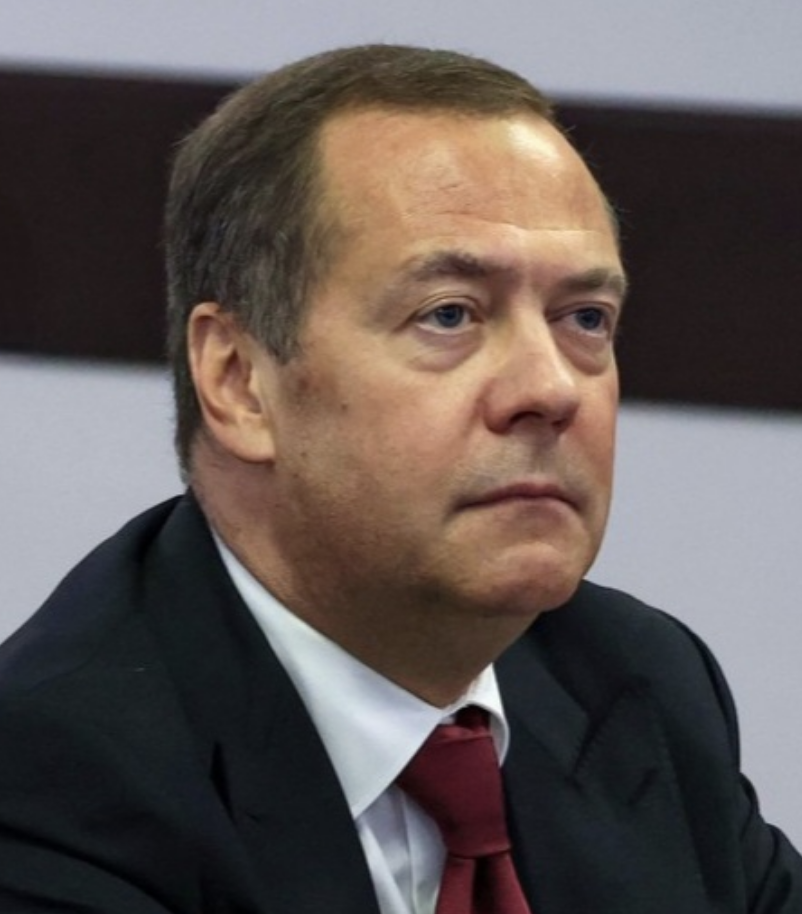
The Conservative Party hit back hard, criticising Reform’s policies and credibility. A Tory spokesman accused Reform of favouring “higher welfare spending” and alleged they want to “cosy up to Putin.”
“Only the Conservatives have the team, the plan, and the backbone to deliver,” the spokesman said, aiming to drive a wedge between the two rightwing rivals.
This jab reflects deep mistrust despite both parties sharing views on immigration and cultural conservatism. Both seem determined to keep distance publicly while vying for the same rightwing voters.
Secret Talks with Donors Spark Pact Rumours
Farage’s tough public stance contrasts with reports that he privately told donors cooperation with the Tories might be necessary. One Reform donor told the Financial Times:
“They will have to come together. The Conservatives have succeeded because the left was always divided. If the right splits, it can’t win.”
This highlights fears that a divided right vote risks gifting victory to centre-left parties.
Electoral Math Threatens Both Parties
Britain’s first-past-the-post system punishes split votes. Reform currently polls around 29%, but the Conservatives lag at 17%, matching long-time lows for Labour and the Greens. Without a united front, rightwing voters risk losing out.
Reform has attracted 20 former Tory MPs, including Nadine Dorries and Jonathan Gullis, boosting its profile. Yet building a nationwide election machine remains a mammoth task.
Tory Leader Dismisses Merger Talk — For Now
Conservative leader Kemi Badenoch has so far ruled out deals with Reform, calling her party a 200-year-old institution that can’t be “toyed” with. Yet she left the door slightly open on possible power-sharing in Wales after 2026, suggesting circumstances might force a rethink.
Funding and Tactical Voting Could Shape the Outcome
The Tories boast a funding advantage, raising £6.3 million in the first half of the year compared to Reform’s £2.1 million. However, polls don’t guarantee seats. Analysts warn progressive voters can tactically block Reform, while some Tory voters refuse to back Farage, pushing some rightwing support to the left.
As YouGov’s Anthony Wells notes: “There are some Tories that really don’t like Reform, so there will be some leakage from right to left.”
Putin Smear Exposes Foreign Policy Rift
The Tories’ claim that Reform wants to “cosy up to Putin” signals stark differences on foreign policy. Farage’s views on Russia and Ukraine diverge significantly from the Conservative mainstream, creating a major hurdle for any alliance.
Meanwhile, the loading on Reform’s welfare stance questions their fiscal conservatism. The Tories appear keen to keep clear policy lines to stop Farage swallowing their voter base.
As the 2026 local elections loom, the battle lines are drawn. Farage’s forecast of Tory collapse could force an uneasy partnership—but only on his terms.