In commercial security, locks are essential for preventing unauthorised access and theft. Understanding different lock types and their applications is crucial for businesses aiming to protect their assets. As technology advances, staying informed about innovative locking solutions is important for maintaining robust security.
Commercial spaces require strong security measures to protect assets, sensitive information, and personnel. Locks are the primary defense against unauthorised access and potential threats. Various locks are used in commercial settings, each designed to meet specific security needs. As a business owner or facility manager, understanding these locks’ significance can guide you in implementing effective security strategies. Choosing the right lock type can make a substantial difference in preventing breaches and ensuring peace of mind. For those looking to source reliable locking solutions, a Padlock Supplier can provide a wide range of options tailored to specific security requirements.
Common lock types for commercial properties
The variety of locks available for commercial use ensures that businesses can find solutions tailored to their specific needs. Padlocks are versatile and portable, often used to secure gates, storage units, and equipment. They provide flexibility in application, making them a popular choice among many businesses. Meanwhile, deadbolts offer enhanced security for doors that require more robust protection. Their design prevents forced entry more effectively than standard lock systems.
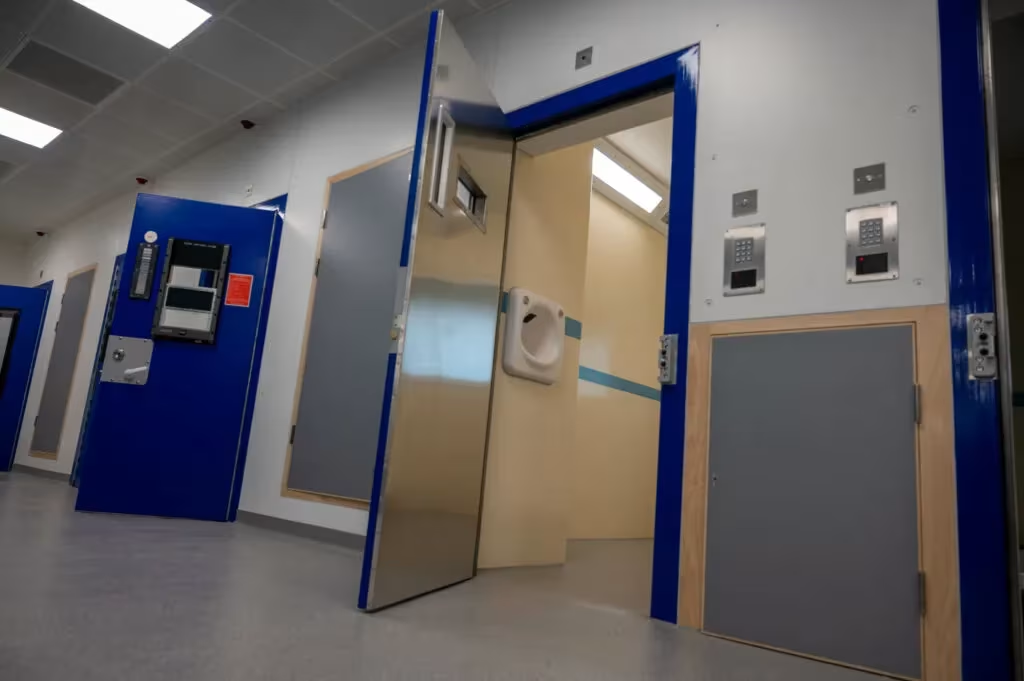
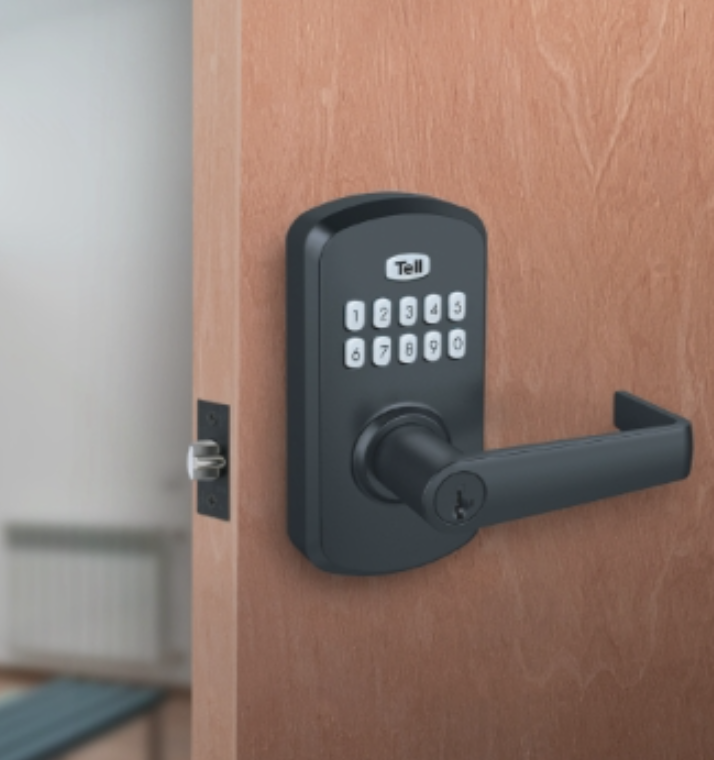
Electronic locks represent a modern approach to security, integrating technology with traditional locking mechanisms. These locks offer keyless entry through keypads or card readers, adding convenience alongside security. Many electronic locks also feature audit trails, allowing businesses to monitor access history effectively. This feature is particularly beneficial in environments where tracking entry and exit is crucial for maintaining a secure environment.
Factors to consider when selecting locks
When choosing locks for your business, several factors should be considered to ensure you make informed decisions. The level of security required is paramount; understanding your specific risk level can guide you towards appropriate lock choices. Ease of use is another critical factor, especially in environments where quick access is essential. Additionally, cost-effectiveness should not be overlooked; balancing quality with budget constraints often determines the viability of lock options.
Understanding lock grades and standards is essential in this selection process. These grades provide insights into the durability and strength of different lock types. Higher-grade locks generally offer better resistance against physical attacks and wear over time. For businesses prioritising long-term investment in security infrastructure, opting for higher-grade options could prove beneficial despite initial higher costs.
Advancements in lock technology
Technological advancements continue to revolutionise the lock industry, introducing new levels of security features that were previously unimaginable. Smart locks are at the forefront of this innovation, offering remote access control through smartphones and other connected devices. These systems allow you to manage entry permissions dynamically, enhancing flexibility without compromising security.
Access control systems integrate seamlessly with smart locks to provide comprehensive management over who can enter specific areas within a facility. Such systems are invaluable in large commercial spaces where monitoring individual access is critical. By implementing these technologies, businesses not only enhance their security but also streamline operations by reducing reliance on traditional keys and manual oversight.
Locks as a foundation for commercial security
Locks play a crucial role in safeguarding commercial properties from various threats. As security needs evolve alongside technological advancements, it remains important for businesses to stay updated on emerging solutions that offer enhanced protection capabilities. Staying informed about innovations such as smart locks and integrated access control systems ensures your business remains secure against new challenges.
By actively engaging with current trends and adopting advanced locking mechanisms, you can fortify your premises effectively while optimising operational efficiency. Remember that investing time and resources into understanding and implementing suitable locking solutions today lays the groundwork for secure operations tomorrow.