A tragic incident in London has highlighted the critical importance of accurate categorization in emergency response after a baby died following a 44-minute delay in ambulance arrival caused by a wrongly classified 999 call.
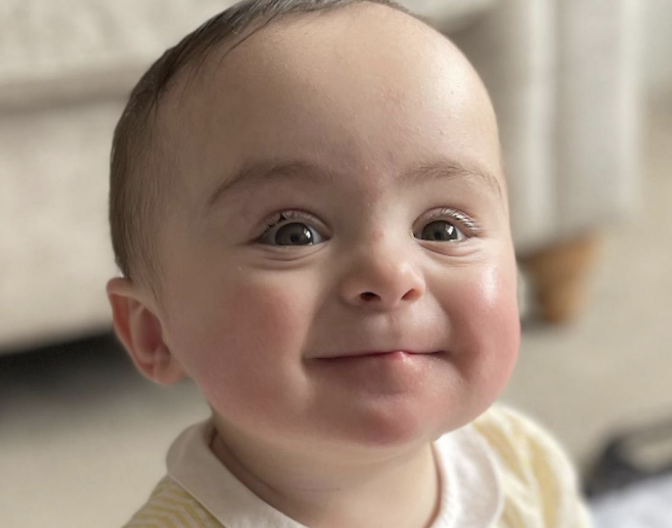
O’Shea Medad Dover, born prematurely, tragically succumbed to acute profound hypoxic injury, a month after his birth in 2022. The delay in emergency response meant that O’Shea’s mother, Laura, missed the opportunity for an emergency C-section.
Laura, experiencing abdominal pain at 30 weeks pregnant, dialed 999. However, the call was not categorized as Category 1, the most serious, leading to a delayed ambulance response. Paramedics arrived 44 minutes later, significantly beyond the expected time frame for such an emergency.
Despite midwifery advice for Laura to be urgently taken to the hospital, another delay of 83 minutes occurred before she was eventually conveyed, as paramedics believed birth was imminent. However, this decision was based on misinformation, exacerbating the delay in receiving critical medical attention.
Assistant coroner Dr. Peter Straker noted that had the call been correctly categorized, Laura would have been in the hospital much earlier, allowing for timely intervention that could have saved O’Shea’s life.
In response to the incident, the London Ambulance Service (LAS) has adopted new guidelines to ensure that patients receive appropriate care and are conveyed to the hospital with obstetric support when necessary.
Dr. Straker’s report, urging other ambulance services to adopt similar measures, underscores the need for systematic improvements to prevent future tragedies.
As authorities await responses from relevant agencies regarding Dr. Straker’s recommendations, the devastating loss of O’Shea serves as a poignant reminder of the critical importance of timely and accurate emergency response.
More news from Dover