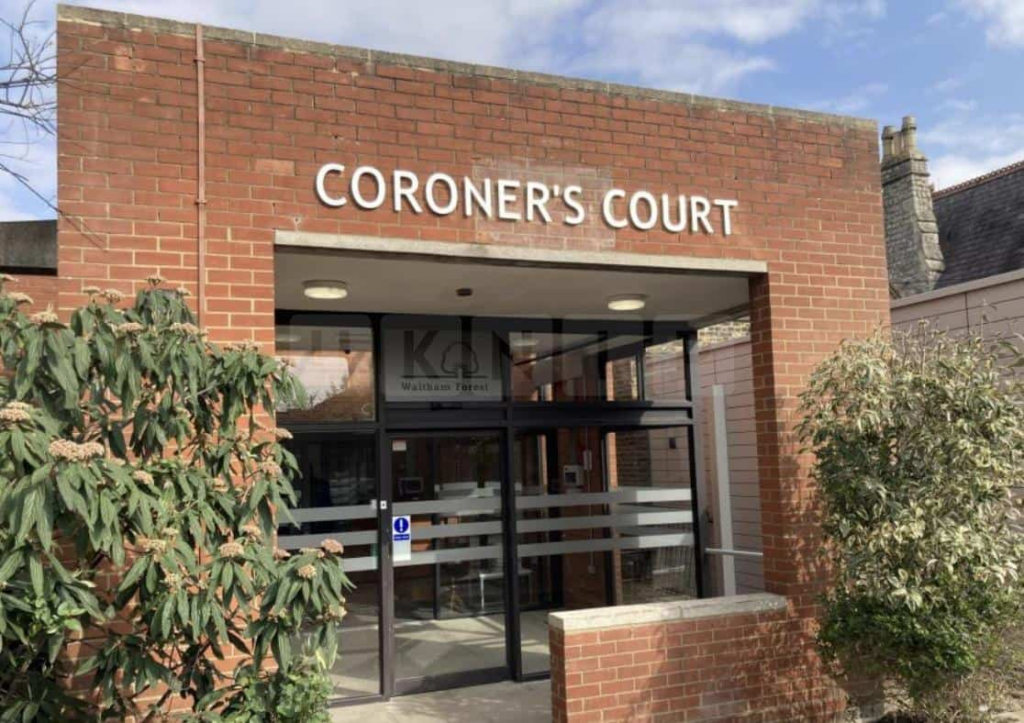

An elderly man from Romford was found dead in his bed following a suspected overdose of painkillers, a coroner’s court has heard.
“Mr King was found lying unresponsive on his bed,” said Mr Irvine. “Police were called to the address, but no suspicious circumstances were identified. However, officers were unable to provide a definitive cause of death, so the case was referred to the coroner.”
[block_2]
A post-mortem examination carried out by Dr Vasi Sundaresan later concluded that Mr King died of “acute respiratory failure and coma,” with contributing factors listed as emphysema and drug-related toxicity.
“Given those circumstances, I will open an inquest,” Mr Irvine said. “It appears that the toxicity, while not the sole cause of death, played a contributory role that was more than trivial.”
[block_4]
Mr King’s family has been declared “interested persons,” giving them the right to access evidence and question witnesses during the inquest. The coroner requested that the family provide a statement, indicating whether Mr King had been prescribed the painkiller involved or if he may have purchased it, along with any concerns they have surrounding the death.
Mr Irvine also ordered Mr King’s GP to disclose full medical records, including details of any prescribed medication, the reasons for prescriptions, and any risk assessments related to potential overdose.
The final inquest has been scheduled for October.
Inquests are conducted in cases of unnatural, sudden, or unexplained deaths and are held in the public interest to determine cause and circumstances, as well as whether similar deaths might be prevented in the future.