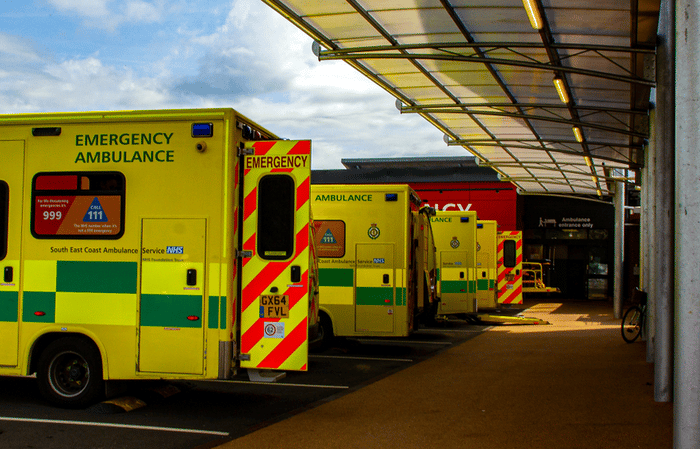

After “sustained pressure” on services, the South East Coast Ambulance Service (SECAmb) was forced to take action. A critical incident has been declared by the South East Coast Ambulance Service Critical incidents are reserved for times when both the 999 and 111 helplines are overwhelmed and must prioritise the most serious incidents. A spokesman for the service urged the public to only call the emergency line in “life-threatening emergencies”. SECAmb took a decision yesterday evening, to declare a Critical Incident. “This decision was made after more than a week of sustained pressure on both our 999 and 111 services, which has significantly impacted our ability to respond to patients,” he added. We would like to thank all our staff and volunteers for their hard work and commitment in recent days in what continue to be extremely challenging circumstances. “We urge the public to continue to call 999 in life-threatening emergencies as we prioritise our response to our most seriously ill and injured patients. “People can continue to support us by seeking help and advice from alternatives including via NHS 111 Online at 111.nhs.uk, their own GP or by speaking to a pharmacist. “Declaring a Critical Incident provides us with additional oversight and enables us to explore options including mutual aid, while focusing all efforts on frontline patient care. The situation will be closely monitored.” The NHS and emergency services have been put under strain across the UK as a result of an outbreak of Strep A among children, among other factors. It comes as the ambulance service prepares for a day of strike, with GMB union members protesting from 6 a.m. to midnight tomorrow. The strike, according to a SECAmb spokesman, did not contribute to the declaration of a critical incident. “We have worked with our local GMB Union branch to agree on a strategy for days when there are industrial actions,” he added. “This has focussed on consideration to support colleagues’ right to take action in collaboration with potential impacts on patient care. Throughout, the priority has been to strike a balance between patient safety and the right to strike. “As always, we will work hard to respond to patients, with a focus on our most seriously ill and injured patients.”