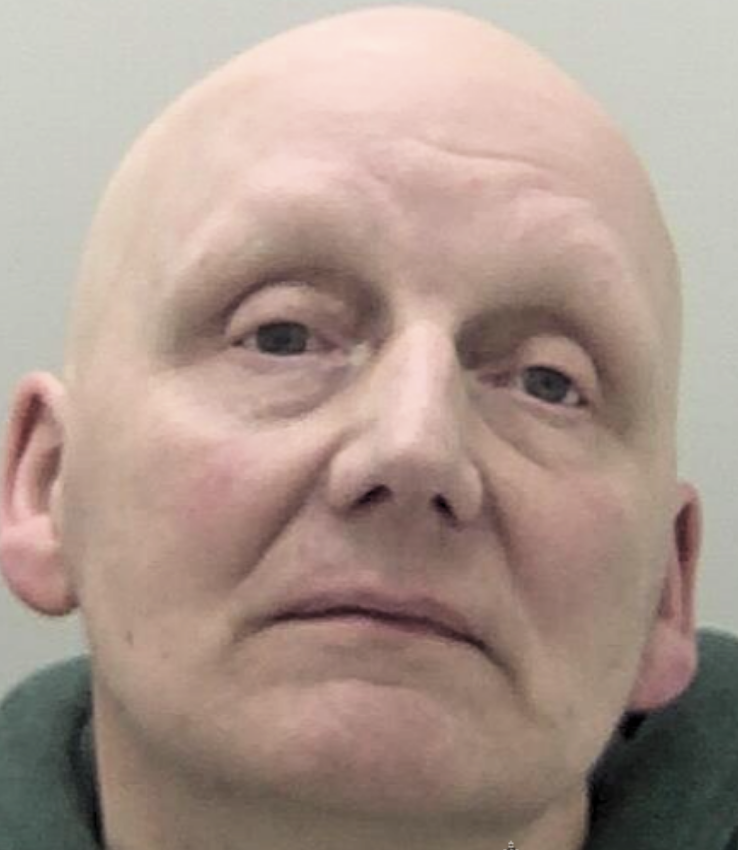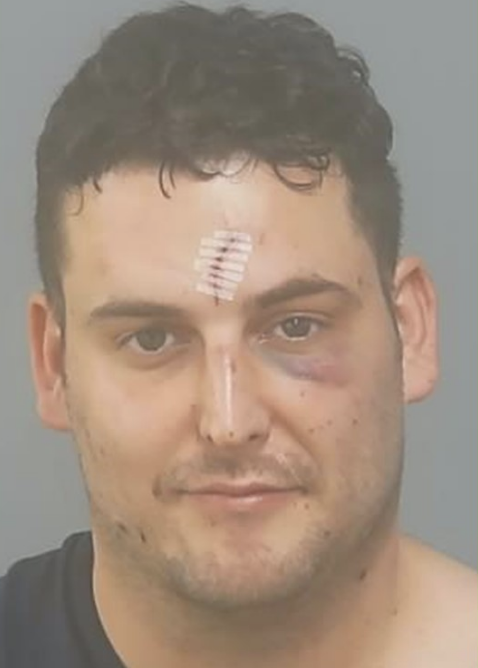
A monstrous predator from Pembrokeshire has been slapped with an extended sentence after admitting to raping a woman and a young boy, plus attempting to rape a girl. Talha Ahmadzai, 33, shocked Swansea Crown Court with disturbing remarks and a catalogue of horrific offences committed last year in Wales.
Brutal Crimes and Bizarre Claims
Ahmadzai, who fled Afghanistan as a refugee, orally raped a schoolboy, tried to force a schoolgirl into oral sex, and repeatedly raped a woman. He pleaded guilty to:
- Three counts of rape of a woman
- Rape of a boy under 13
- Attempted rape of a girl under 13
- Causing a child to watch a sexual act
- Assault by beating
Despite a clean criminal record, Ahmadzai denied the charges at first, calling them “fabricated.” He notoriously declared: “Women won’t have sex without force.” He also challenged the UK courts, claiming these acts weren’t considered crimes in his home country.


Dark Past and Disturbing Background
Evidence revealed Ahmadzai had been diagnosed with a “sexual illness” before arriving in the UK and was reportedly “masturbating every hour,” according to a fellow Afghan. His lawyer, David Singh, admitted the offences were “appalling” but claimed a psychotic episode triggered his horrific behaviour. Ahmadzai has since received psychiatric treatment and medication.
Lengthy Sentence and Future Risk
Judge Huw Rees branded Ahmadzai’s crimes “a catalogue of abhorrent offending of the utmost seriousness.” The court heard Ahmadzai harboured deeply troubling, “entrenched views” shaped by his past and culture, posing a high risk to the public.
Ahmadzai, appearing from a psychiatric hospital, was sentenced to 21 years and seven months — 19 years and seven months behind bars plus two years on licence. He must serve two-thirds before parole consideration, with the Parole Board deciding if he can be safely released.
Possible Deportation on the Horizon
The judge ordered the case to be referred to the Home Office to explore deporting Ahmadzai back to Afghanistan once his sentence is served.


This chilling case exposes a dangerous mindset and the UK’s struggle to protect the vulnerable from repeat offenders.