
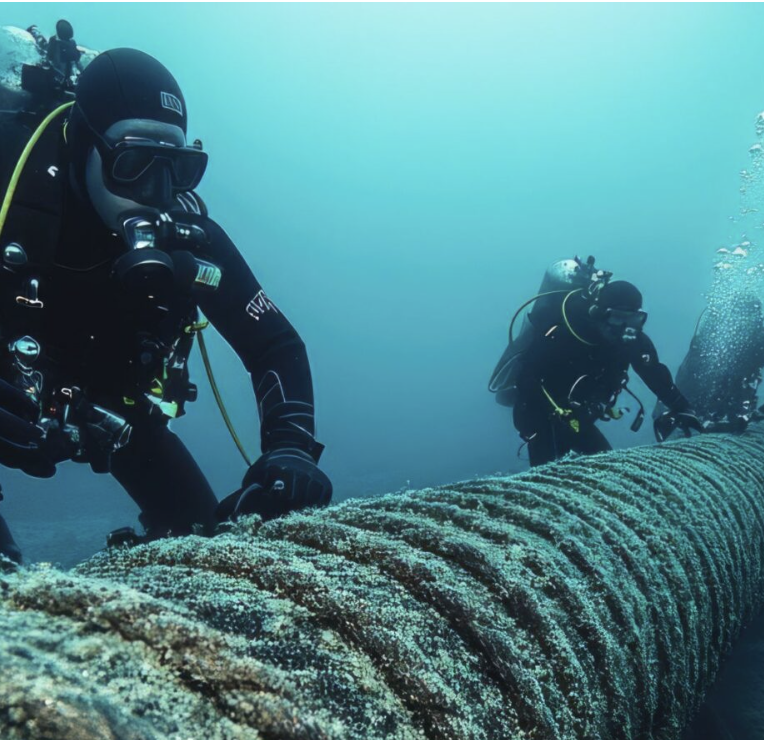
Internet users across Pakistan have experienced widespread slowdowns and intermittent outages after a major submarine communications cable developed a fault off the country’s coastline.
The Pakistan Telecommunication Authority (PTA) confirmed on Wednesday 18 November that a problem had been detected on the SEA-ME-WE 5 (SMW5) cable system, approximately 11 kilometres from Pakistan’s shore.
The fault has affected international internet connectivity, with users reporting slow browsing, disrupted online services and problems maintaining connections.
However, authorities have not confirmed a nationwide internet shutdown.
Internet traffic diverted as engineers investigate
The SEA-ME-WE 5 system is a major undersea telecommunications link connecting countries across Asia, the Middle East and Europe.
Pakistan’s telecommunications regulator said Transworld Associates was working with the international SMW5 consortium to establish the cause of the fault and determine when normal service could be restored.
Internet traffic is being diverted through alternative international connections to reduce disruption while engineers investigate the problem.
The PTA said it was monitoring the situation and working with operators to restore normal connectivity as quickly as possible.
Independent internet monitoring organisation NetBlocks also reported a decline in connectivity in Pakistan, consistent with problems affecting the SMW5 cable.
Claims cable was deliberately cut remain unverified
Social media posts have claimed the cable was cut in the Gulf of Oman, with some users speculating about possible sabotage and which country could be affected next.
However, there is currently no verified evidence that the damage was deliberate or that any government, military force or other organisation was responsible.
The location confirmed by Pakistan’s regulator is approximately 11 kilometres from its coastline, rather than a verified location in the Gulf of Oman.
No official estimate for completing repairs has been announced.
The disruption highlights the importance of submarine cables, which carry much of the world’s international internet traffic and can cause widespread connectivity problems when faults develop.