In a stunning turn of events, the Democratic Unionist Party (DUP) has experienced a series of devastating losses in the Northern Ireland Westminster election, signalling a significant shift in the region’s political landscape.
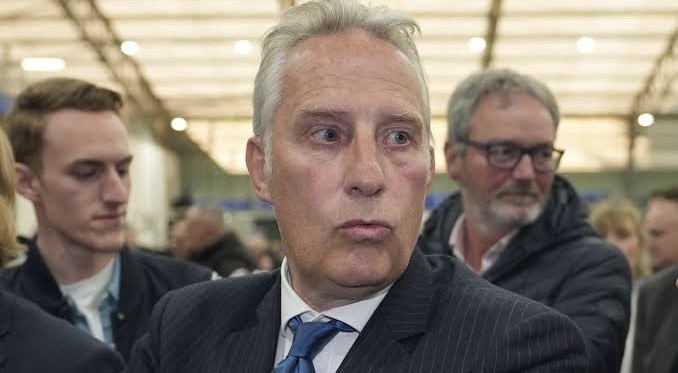
The most shocking upset came in North Antrim, where Ian Paisley Jr. lost the seat his family had held for over five decades. Traditional Unionist Voice (TUV) leader Jim Allister emerged victorious, ending the Paisley dynasty’s 54-year reign in the constituency. Allister described the result as a “political earthquake of seismic proportions.”
As the dust settles on this transformative election, Sinn Féin has emerged as the largest party in a Westminster election for the first time, holding all seven of its seats. This outcome further cements the party’s position as a dominant force in Northern Irish politics.
These results represent a seismic shift in Northern Ireland’s political landscape, with traditional unionist strongholds now more vulnerable than ever. The success of candidates from the Alliance Party and the TUV suggests a growing appetite for change among voters, potentially reshaping the future of Northern Irish politics.
As the DUP grapples with these losses, questions are sure to arise about the party’s future direction and leadership in this new political reality.