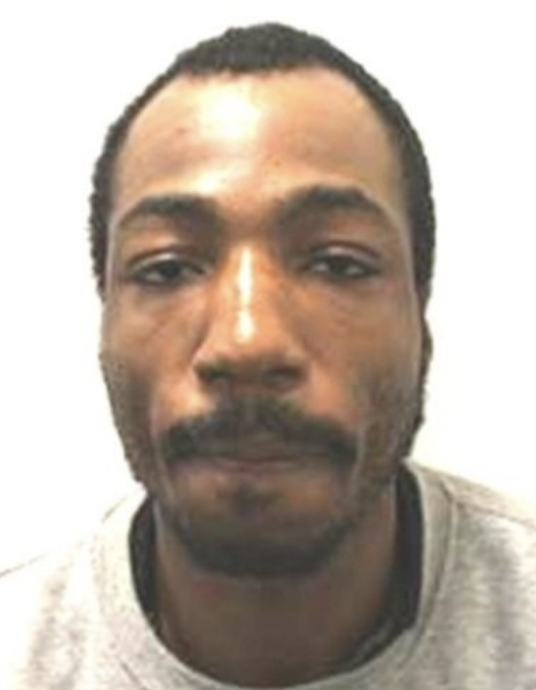
Jordan Graham, 25, of no fixed address, pleaded guilty to the murder of Abu Yusuf Twaha at the Old Bailey on Monday, 30 May.
On Monday, July 11, he was sentenced to life in prison with a minimum of 15 years in prison at the same court.
“This assault was dreadful, and the shocking violence perpetrated was caught on CCTV,” said officer in charge Detective Constable Luke Martinez. It was difficult to witness this sustained attack on a man who had been rendered helpless so quickly, and I am grateful that we were able to bring the guilty man to justice.”
Graham and Abu were both staying at a hostel in Well Street, E9 on September 6, 2020, according to the court.
The two men were staying in rooms next to each other, and there had been tension between them during the day.
In the early evening, an argument between the two men in the hostel’s corridor escalated into a fight.
Graham assaulted Abu on the ground after he fell.
Graham was seen on CCTV repeatedly stamping and kicking Abu in the head and chest, despite the fact that he was unresponsive and posed no threat.
A short time later, two people discovered Abu unresponsive and left, presumably to seek assistance.
Graham took advantage of the situation to deliver another vicious kick to the unconscious man.
Police and the London Ambulance Service were called to the scene, and after reviewing the CCTV footage of the assault, Graham was arrested for grievous bodily harm.
Abu was taken to the hospital, where it was discovered that he had multiple brain bleeds.
He never fully recovered from the attack and died on February 18, 2021, without ever leaving the hospital.
A special post-mortem examination was performed, and the forensic pathologist determined that Abu died as a result of pneumonia and a head injury sustained during the assault.
Because the Central East Basic Command Unit’s CID had been handling the investigation for over a year, they retained it with the assistance of detectives from the Met’s Specialist Crime Command.
Graham was charged with murder and pleaded guilty in court as a result of the death and expert testimony.