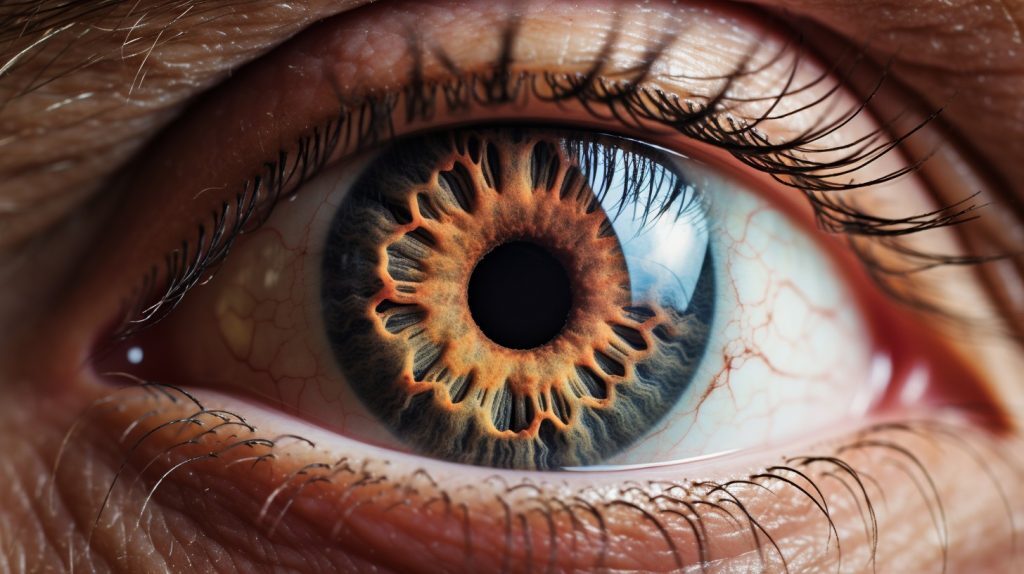
Researchers at Stanford University have made a groundbreaking discovery in mapping proteins within the eye, using tiny drops of eye fluid collected during surgeries. By analysing nearly 6,000 proteins from different cell types within the eye, the researchers have created a “proteomic clock” that can predict a person’s age based on their protein profile. The study, published in the journal Cell, also revealed that certain eye diseases, such as diabetic retinopathy and uveitis, can cause accelerated aging within specific cell types.


One surprising finding was the detection of proteins associated with Parkinson’s disease within the eye fluid. This discovery could potentially lead to earlier diagnoses of Parkinson’s disease and improved therapeutic monitoring.