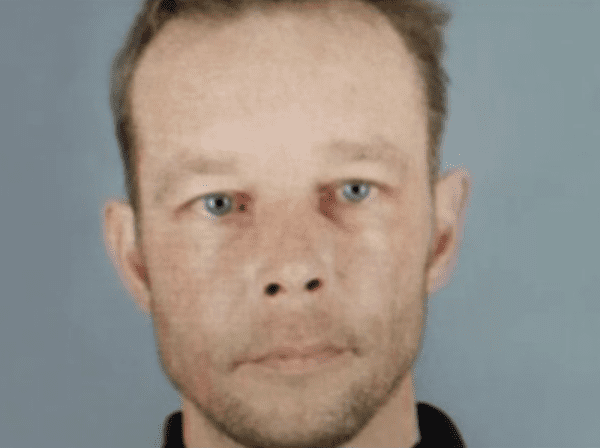
Last year, a court in Braunschweig charged Brueckner with five sexual offences, but it has now ruled that it does not have jurisdiction for the case as Brueckner last lived in a different part of Germany. This decision has raised questions and concerns about how jurisdictions are decided and whether justice is being served.
The case against Brueckner, who has never been charged for Madeleine’s disappearance and has denied involvement, is one of alleged rape and sexual abuse.

These offences allegedly occurred between 2000 and 2017 in Portugal, where Brueckner was living at the time. The offences include the rape of an unidentified woman aged between 70 and 80 in a holiday home in Portugal, the rape of a German-speaking girl believed to have been at least 14 years old in his home in Praia da Luz, the rape of a 20-year-old Irish woman after entering her apartment in Praia da Rocha in 2004, the sexual abuse of a 10-year-old German girl on a beach in Salema, Faro in 2007, and the sexual abuse of an 11-year-old Portuguese girl in a playground in Bartolomeu de Messines in 2017.
The decision by the court in Braunschweig to drop the case against Brueckner highlights the complexities of jurisdiction in different regions within a country. It is suggested that prosecutors in other parts of Germany could still charge Brueckner with the same offences.
However, it raises concerns about whether justice is being served, particularly in cases involving serious offences such as rape and sexual abuse. The fact that jurisdictions can impact whether a suspect is charged or not raises questions about the consistency and fairness of the legal system.

The disappearance of Madeleine McCann, which occurred in Portugal in 2007, has remained unsolved for years. Brueckner has never been charged for her disappearance, but the investigation has led to the development of additional allegations against him, including the alleged sexual offences.