New Laws Make Bus Travel Easier for Disabled Passengers
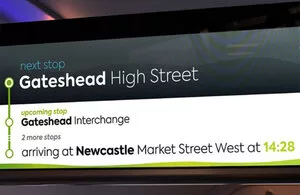
From today, Britain’s bus network is getting a major accessibility overhaul. Audible announcements and visual displays will now have to clearly show bus routes, next stops, and diversions. This game-changing move means disabled passengers can travel with far greater confidence and independence.
£4.65 Million Fund Boosts Small Bus Operators
- Mandatory onboard travel announcements across almost all local buses and coaches
- Government shelling out £4.65 million to help small operators upgrade their vehicles
- Rollout to complete by October 2026 for nearly all buses outside London
Currently, only 30% of buses beyond London provide vital travel info, leaving many disabled passengers stranded or confused. The new rules aim to fix this by forcing nearly every local bus to comply, backed by targeted funding for smaller bus companies.
Minister and Experts Praise Move
Roads and Accessibility Minister Richard Holden: “Everyone deserves to take the bus with confidence, and this is a massive boost for passenger independence. Simple and effective audible and visible information should be a baked-in feature of a modern bus service across Great Britain.”
Guide Dogs Chief Executive Tom Wright CBE: “Buses unlock independence, but for many with sight loss, travel can be tricky or impossible. Over half miss their stop due to lack of announcements. This Government step, plus funding, is a huge win for people with visual impairments, opening up vital opportunities to live independently.”
How It Works and What’s Next
The Department for Transport worked closely with disabled users and bus operators to make sure the new systems truly work in real life. Features include induction loop audio systems and visible info screens accessible to wheelchair users on all new buses introduced after October 2024.
This move is part of the Government’s Inclusive Transport Strategy, aiming for full accessibility equality on public transport by 2030. Plus, it supports efforts to get Brits back on buses post-pandemic after a £2 billion boost to the bus sector since 2020.