UK Emergency Alerts: What You Need to Know
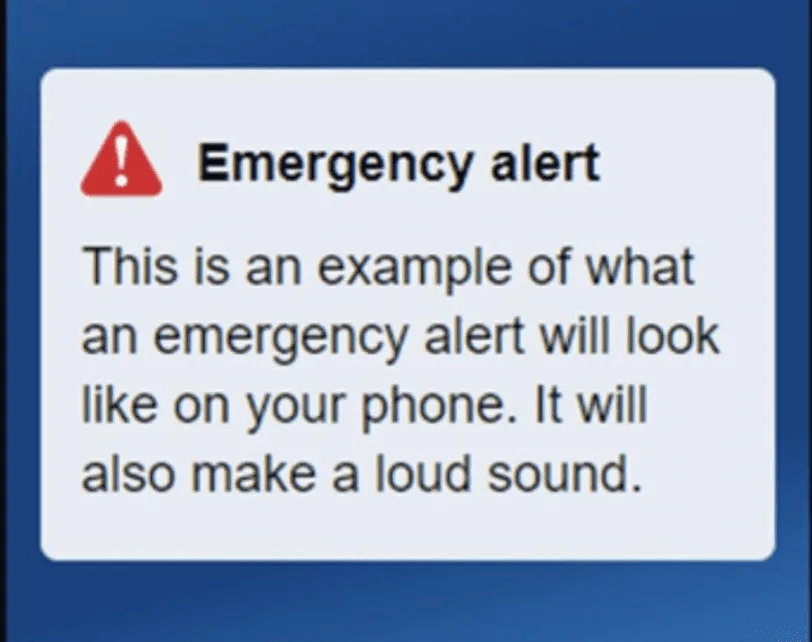
The UK government’s Emergency Alerts service warns you when there’s a danger to life nearby. Your mobile phone or tablet will ping you with crucial advice on how to stay safe – even if your device is on silent.
When Will You Get an Emergency Alert?
Alerts could hit your phone for several serious situations, including:
- Severe flooding
- Fires
- Extreme weather
- Public health emergencies
Only trusted sources can send these alerts:
- Emergency services
- Government departments and agencies
- Public bodies handling emergencies
How Do Emergency Alerts Work?
Your phone or tablet might:
- Blast a loud siren-like sound, even if set on silent
- Vibrate to grab your attention
- Read the alert out loud
The alert sound and vibrations last about 10 seconds. The message will include a phone number or a link to the official GOV.UK website for more info.
Alerts are location-based, meaning you’ll get warnings where you currently are—not just where you live or work. You don’t even need to have location services turned on for this to work.
What To Do If You Get an Alert
Stop what you’re doing and follow the instructions in the alert immediately.
If you’re driving or riding, find a safe spot to stop before checking your phone. Don’t handle devices behind the wheel—it’s illegal. If you have passengers, ask them to read the alert for you.
Can Everyone Receive Emergency Alerts?
If your device isn’t compatible, don’t worry. Emergency services have other ways to warn you about life-threatening events.
Emergency alerts are designed to complement—not replace—local news, TV, or social media updates.
For those who are deaf, hard of hearing, blind, or partially sighted, audio signals and vibrations will still alert you to the emergency.
Language of Alerts
Alerts will be sent in English across the UK. In Wales, they may also come in Welsh.