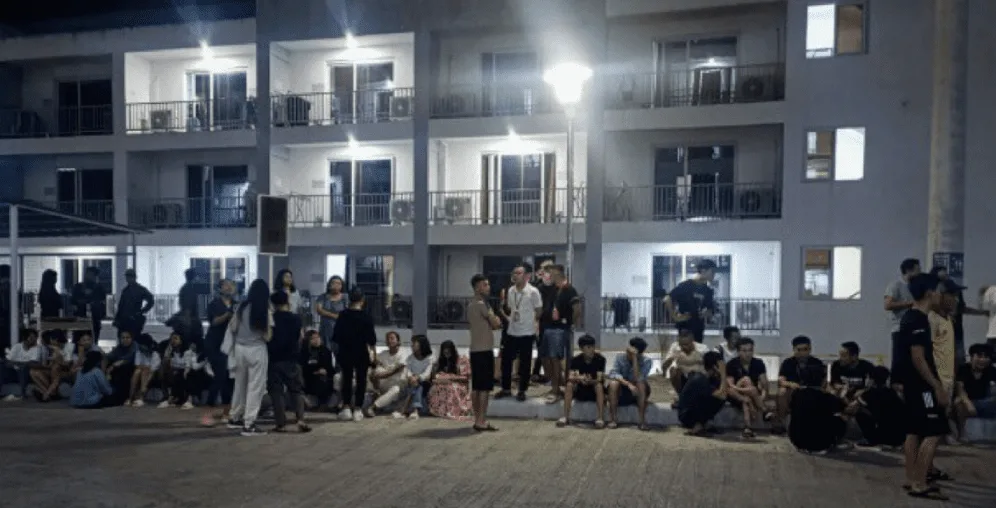
Cyber Scam Slave Ring Busted in the Philippines! Dozens of victims forced into round-the-clock online scam jobs targeting people across the US, Europe, and Canada have been rescued by police.
Forced to Scam Up to 18 Hours a Day
Michelle Sabino, spokeswoman for the Philippines’ anti-cybercrime police, revealed the shocking truth: Chinese, Vietnamese, Filipino, and Indonesian nationals were duped into running fake romance scams. They worked grueling shifts of up to 18 hours daily, with pay docked for breaks or chatting with colleagues.
Human Trafficking Ringleaders Nabbed
At least 12 alleged masterminds have been arrested, facing human trafficking charges. Victims’ passports were seized, and they were locked down with no chance to escape.
Scammed with Promises of Wealth
The traffickers trained victims to build fake love stories, coaxing strangers into sending cryptocurrency or depositing cash into fake banks. Victims were lured with dreams of buying homes, cars, or starting businesses—only to be trapped.
Warnings Amid Southeast Asian Games
The police operation followed a tip-off from the Indonesian ambassador in Manila, prompting Philippine immigration to issue alerts about trafficking risks during international events like the ongoing Southeast Asian Games in Cambodia.
Immigration head Norman Tansingco warned against falling for beauty pageants or entertainment gigs that disguise trafficking. Filipino athletes have also been cautioned about potential scams while competing abroad.
Last month, Senator Risa Hontiveros flagged “scam call centers” in the Philippines employing trafficked foreigners, spotlighting a growing menace in the region.