Volunteers Rescue 130 Years of Rainfall Records in Pandemic Project
During the first COVID-19 lockdown, 16,000 volunteers joined forces with the University of Reading’s Rainfall Rescue project. Launched in March 2020, the initiative had the public transcribe 5.2 million handwritten rainfall observations from Met Office archives—covering a massive 130 years of weather data.
In just 16 days, this army of citizen scientists typed out records stretching all the way back to 1836, extending the official national rainfall record by 26 years. The historic data has now been added to the Met Office’s database, unveiling new insights into the UK’s wettest and driest months, and shedding light on how climate change is rewriting our weather story.
‘Blown Away’ by the Public Response
Professor Ed Hawkins, climate scientist and project lead, said: “I am still blown away by the response from the public. What I expected to take months happened in days thanks to 100 million keystrokes by passionate volunteers.”
He added: “These records not only capture the rain patterns over nearly two centuries but connect us to previous generations of weather-watchers. For context, 1836 was when Charles Darwin returned from his Beagle voyage, and a year before Queen Victoria’s reign began.”
Dr Mark McCarthy, head of the Met Office’s National Climate Information Centre, said the new data reveals historic extremes in rainfall that help predict future flood and drought risks across the UK and Ireland.
Stormy Secrets Unearthed: New UK Rainfall Records Revealed
- Driest year now confirmed as 1855, with just 786.5mm of rain.
- Driest May on record shifted back to May 1844 – cooler than May 2020, previously thought the driest.
- November and December 1852 marked exceptionally wet months, including the “Duke of Wellington Floods” coinciding with his state funeral in London.
- Observations from fascinating characters like Lady Bayning in Norfolk, who took her rain gauge to London’s social season.
- Rain gauges located everywhere from tiny villages to right next to Beatrix Potter’s Hilltop Farm in the Lake District.
Bringing History Back to Life
The paper records examined span 1677 to 1960, covering almost every town and village in England and Wales. Before this project, only a fraction of pre-digital rainfall data had been digitised. The Rainfall Rescue project increased the amount of data pre-1960 by six times, boosting the number of contributing rain gauges from 19 to over 700 in 1862 alone.
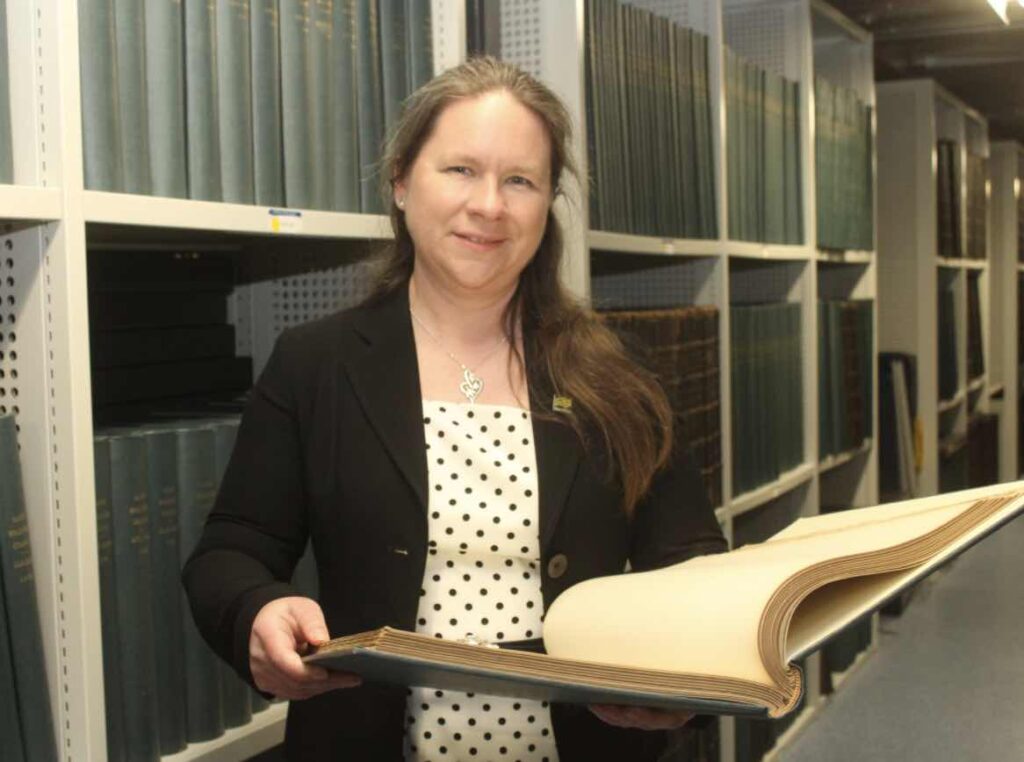
Dr Catherine Ross, Met Office archivist, lauded the project’s impact: “This has redefined what an archive is. These 66,000 sheets are no longer just forgotten paper – they’re now a vital scientific resource helping us understand weather and climate change.”
Volunteers shared their pride. Jacqui Huntley said: “I’m a weather fanatic living in Scotland, so this was a dream project. It’s been brilliant learning about the dedicated observers from centuries past. It’s been a real team effort from start to finish.”
Thanks to thousands of hands tapping out keystrokes in lockdown, Britain’s rainfall history has been saved, helping science tackle the climate challenges of tomorrow.