
Get ready, London! British Transport Police (BTP) is set to launch a six-month pilot of Live Facial Recognition (LFR) technology at key railway stations across the capital. The high-tech crackdown on crime kicks off in the coming weeks, aiming to tackle hotspots on the transport network with temporary cameras on station concourses.
How Does Live Facial Recognition Work?
LFR scans faces against a police watchlist made up of suspects wanted for crimes and missing persons. If there’s no match, the data is deleted immediately. But if the system flags a face, officers review the alert and decide the next steps — which could lead to an arrest.
[block_2]


The tech is designed to speed up identifying individuals who pose a risk, while protecting innocent commuters’ privacy.
Keeping Londoners in the Loop
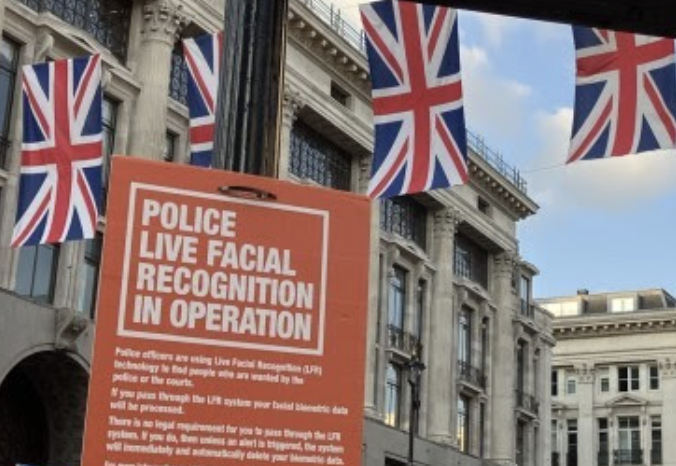
BTP is taking no chances on transparency. The force promises highly visible signage at deployment sites to inform the public, plus QR codes for people to access more info and give feedback.
“We’re absolutely committed to using LFR ethically and in line with privacy safeguards,” said Chief Superintendent Chris Casey. “Deployments will comply with all legal standards, with oversight from ethics and independent advisory groups.”


 Advertisement
Part of a Growing Trend Across England and Wales
London joins a growing list of areas trialling LFR. It’s already in action in West Yorkshire, Greater Manchester, Surrey, Sussex, Bedfordshire, Essex, South Wales, and by the Met Police in London.