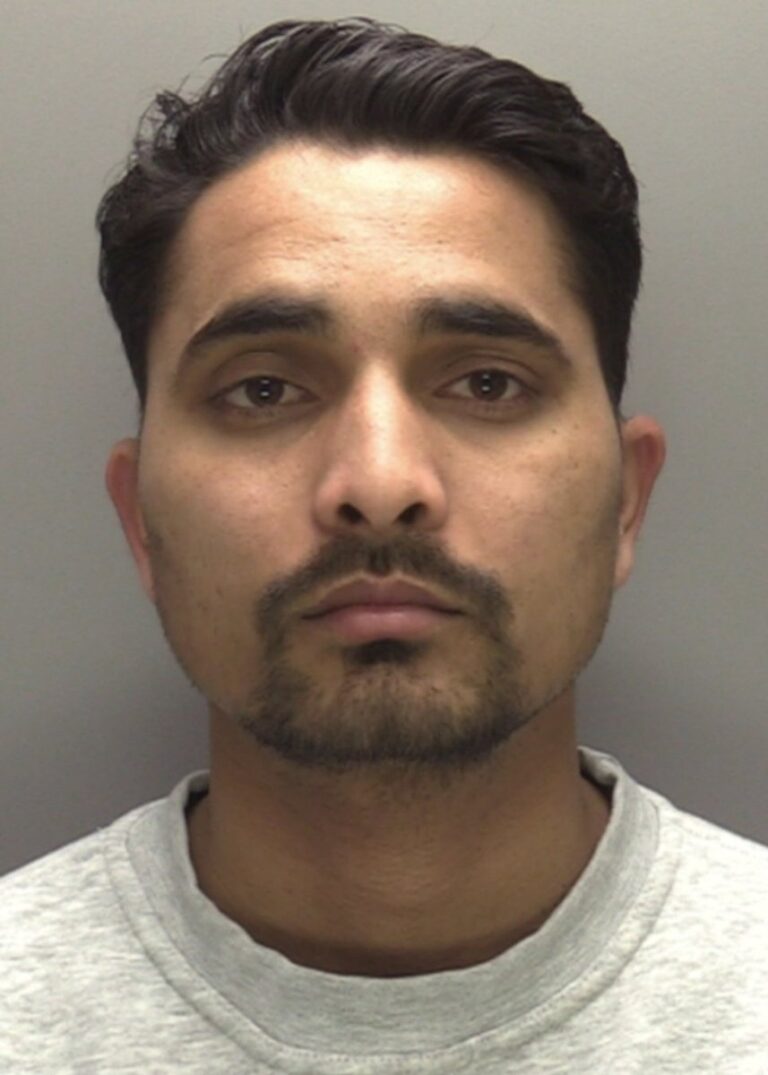
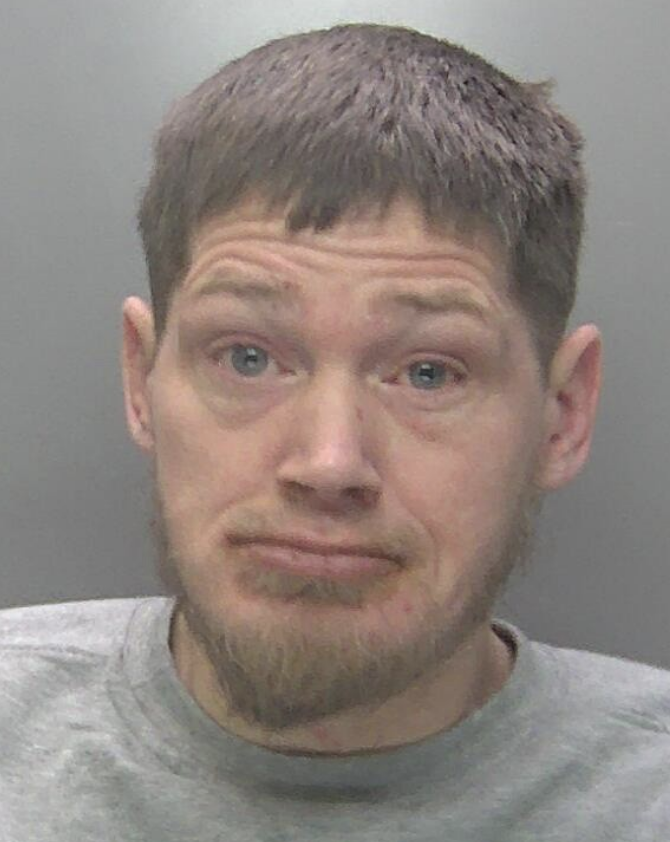
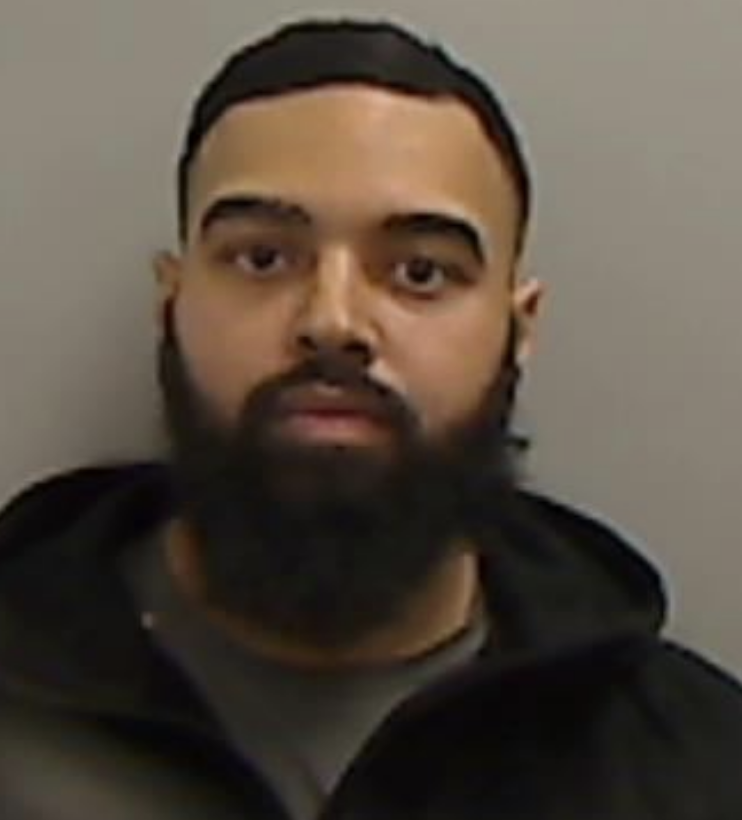
Anhar Hussain, 23, of Review Road, Dagenham, was sentenced to three years and nine months in prison on Friday, 3 February at Snaresbrook Crown Court.
On 21 November 2022, he pleaded guilty to the following charges at the same court: – Arson; – Harassment; – Fear of violence; – Dangerous driving and driving while disqualified and without insurance. Detectives from the East Area Basic Command Unit (BCU) used analytical software for the first time on this type of case to map out phone signals from any given location. Together with other communications and travel data, this enabled detectives to map out and detect Hussain’s stalking patterns. This information allowed officers to quickly establish his stalking and coercive behaviour, which occurred between April and June 2022.
In 2020, the victim-survivor, a woman in her twenties, began dating Hussain. Their marriage began to deteriorate in March 2021. He once posted nude photos of her online and to her family after a heated argument. He removed himself from the photographs. Due to cultural and personal beliefs, this sparked outrage between Hussain and the victim and her family.
Hussain set up a fake social media account in the victim’s name and began communicating with her family in April 2021. The victim was no longer in contact with her family at the time, and she only found out about it when she spoke with her mother in April 2022.
Following Hussain’s behaviour, the victim was told to leave her family’s home. Hussain moved her to Romford, where he subjected her to controlling coercive behaviour.
During arguments, he would scream and scream into her face, punch nearby walls, throw household objects at her, including a laptop, pull and push her around the house, and throw her onto the sofa. There was only one set of keys to their property, which Hussain kept at all times. He would keep her locked in the property when he went out and could track her whenever she left the flat because he had access to a video doorbell.
On another occasion, Hussain threw the victim’s clothes out of the flat before going outside and setting fire to them. When the victim attempted to retrieve them, he lifted her up and forced her into his car. She screamed loudly, and he dropped her, allowing her to flee. She eventually changed her address.
Hussain then began to harass the victim by repeatedly calling her, often multiple times in a single minute. He called her over 700 times per day, some of which were overheard by a friend. He threatened to throw a brick at the victim’s mother’s house during one call. These calls were made at inconvenient times in order for him to learn where she lived.
He called to inform her that he was parked outside and that if she did not come out, other people would be harmed.
He then proceeded to manipulate her in order to entice her to return. To entice her back, he would send her photos of himself crying, cleaning the house, and doing the laundry. He began stalking the victim after this failed.
It had been a long ordeal for the woman, who had suffered various forms of abuse at the hands of Hussain. Her friendships and family relationships were shattered, and her ability to work and financial prospects were jeopardised. Most importantly, moving on with life has proven to be difficult.
Hussain had no regard for her or other members of the public’s safety. He met her to return her belongings after their relationship ended, but when her phone connected to his car Bluetooth, he heard a male on the line to her and lost control. He reversed his vehicle at high speed into her vehicle several times in a public parking lot, totaling it. He didn’t care who was watching; all he cared about was hurting the victim. He was disqualified from driving at the time of the incident.
The case was assigned to Operation Atlas between May 27th, 2021 and May 14th, 2022, after the victim contacted police. Officers from the East Area Public Protection Predatory Offender Unit used the software to document 157 instances in which the suspect was in close proximity to the victim while stalking.
The software also cleansed and presented the elements of harassment used in this sustained predatory behaviour via calls and other digital devices. The software enabled the officers to create an illustrative story board of tables and maps that was easy to read and present in an evidential product for not only the Crown Prosecution Service (CPS), but also any future jury. The overwhelming evidence provided by the software enabled the investigating team to charge Hussain.

More from Snaresbrook Crown Court
View all Snaresbrook Crown Court coverage
- Convicted Killer Fauz Richards Jailed Again After Brutal Assault at MDMA Party
- Essex Man Jailed Over Brutal Shooting That Changed Victims’ Lives
- Four Jailed Over East London Shooting That Left Man Paralysed
- Man Charged with Rape in Hackney Park Attack
- East London Groomer Jailed for 18 Years Over Child Sex Offences
- Crypto Millionaire Faces Rape and Stalking Charges
More from Snaresbrook Crown Court
View all Snaresbrook Crown Court coverage
- Convicted Killer Fauz Richards Jailed Again After Brutal Assault at MDMA Party
- Essex Man Jailed Over Brutal Shooting That Changed Victims’ Lives
- Four Jailed Over East London Shooting That Left Man Paralysed
- Man Charged with Rape in Hackney Park Attack
- East London Groomer Jailed for 18 Years Over Child Sex Offences
- Crypto Millionaire Faces Rape and Stalking Charges