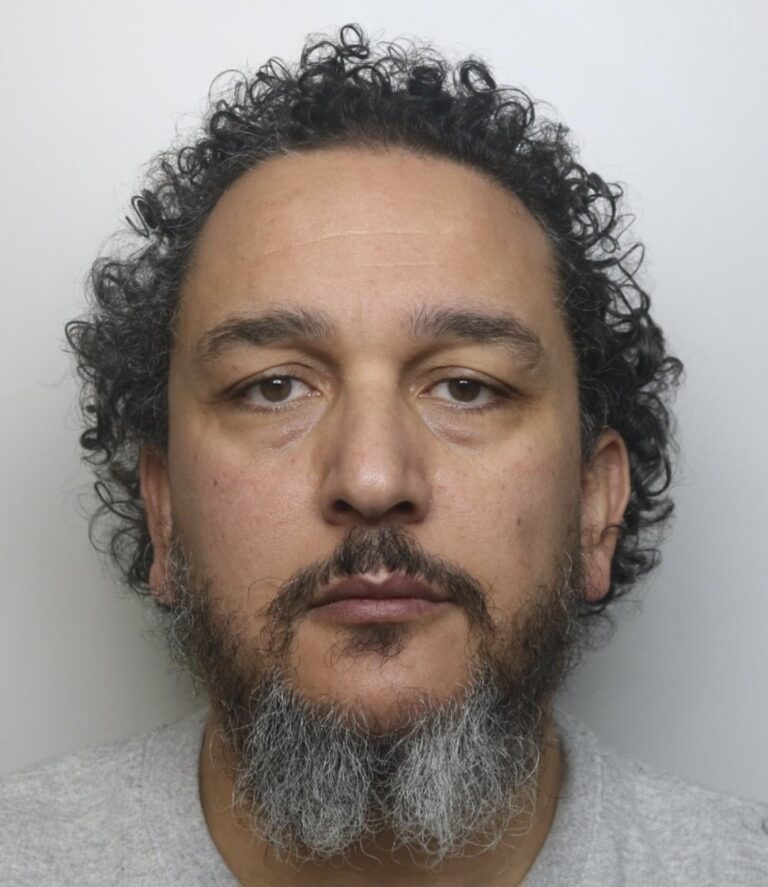
A former Metropolitan Police officer convicted of historic sexual offences, Paul Lamb, has passed away in prison, according to a recently released prison report. Lamb, aged 74, was serving a 17-and-a-half-year sentence after being found guilty of 19 sexual offences that occurred during the 1970s in London and the 1980s in Yorkshire.
Lamb, who was diagnosed with breast cancer shortly after his arrival at HMP Hull, died just one year into his sentence. The report sheds light on the circumstances surrounding his illness and subsequent death.
The crimes committed by Lamb included the rape of a girl under 16 while he was working for the Metropolitan Police in Islington during the 1970s. He later moved to East Yorkshire, where he managed a children’s home for three years, during which he carried out two additional rapes and numerous indecent assaults.
According to the prison report, Lamb’s partner believed that a mastectomy had initially prevented the spread of his cancer. However, Lamb made the decision to stop taking his prescribed medication due to concerns about potential side effects. Unfortunately, his cancer returned, and he passed away on May 27, 2022, mere hours after being informed that he had less than 48 hours to live.
Lamb’s conviction and subsequent imprisonment followed a thorough legal process, with the court delivering a significant sentence in recognition of the severity of his crimes. The news of his death raises questions about the care he received in prison and highlights the challenges faced by prison authorities in managing the health conditions of inmates.
The tragic circumstances surrounding Lamb’s illness and death serve as a reminder of the long-lasting impact of sexual offences on victims and the legal consequences that follow such crimes. The victims affected by Lamb’s actions during his time as a police officer and at the children’s home continue to grapple with the trauma inflicted upon them.
The prison report has not provided further details regarding the specific medical care Lamb received during his incarceration. However, his passing highlights the need for effective healthcare services within the prison system to address the medical needs of all inmates