The UK government is considering granting Ofcom emergency powers to censor social media posts in a bid to tackle misinformation following a wave of violent riots that swept across the country earlier this month. The proposal, put forward by the Centre for Countering Digital Hate (CCDH), comes in response to the spread of false information that fueled the unrest.
The proposal, seen by The Times, suggests that Ofcom should have the authority to step in during moments of national crisis and apply to a judge for emergency powers. This would allow the regulator to compel social media platforms to take immediate action to remove harmful posts. Additionally, changes could be made to the “special circumstances” directive in the Online Safety Act 2023 to enable such interventions.
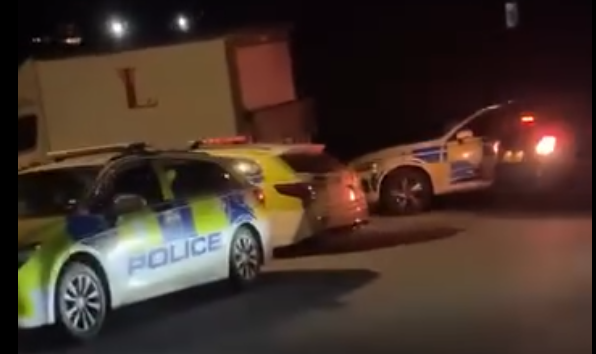
False claims that the suspect in the southport-turns-violent-as-police-van-set-on-fire-as-far-right-hijack-vigil-for-southport-stabbing-victims/" title="Peaceful Protest in Southport Turns Violent as Police van set on fire as far-right hijack vigil for Southport stabbing victims" target="_blank" rel="noopener" data-wpil-monitor-id="52561">Southport stabbings was an asylum seeker sparked anti-immigration riots across the UK, leading to attacks on mosques and migrant hotels. The violence highlighted the dangerous consequences of unchecked misinformation on social media platforms.
[block_2]Imran Ahmed, CEO of the CCDH, pointed to X (formerly Twitter) as a particular culprit, citing that its owner, Elon Musk, personally shared false information to his millions of followers. Musk’s posts, which included comments about an impending “civil war” in the UK, have drawn criticism from both the government and media watchdogs.
Ahmed accused Musk of turning X into a platform with “imperceptible moderation” and compared it to Telegram, a messaging app known for its lack of content moderation. “We need all of us in British society—politicians, regulators, big companies, the press, and the public—to decide if we want to continue this toxic relationship with an increasingly abusive boyfriend, X, or break up for good,” Ahmed said.
[block_4]Government Response
Downing Street has expressed its support for tackling online misinformation, with Prime Minister Rishi Sunak warning that “the criminal law applies online as well as offline.” The government is calling on social media companies to take stronger action against illegal content and hate speech.
Labour leader Sir Keir Starmer also condemned Musk’s remarks, calling them unjustified. Starmer’s spokesperson emphasized that “organized violent thuggery has no place either on our streets or online,” reflecting the growing concern over the role social media played in escalating the riots.
The Debate Over Free Speech
However, the proposals have raised concerns about the potential impact on free speech, with critics warning that giving Ofcom the power to censor content could lead to overreach. Free speech advocates argue that any new powers must be carefully balanced to protect the right to open debate while ensuring public safety.
A spokesperson for Ofcom stated that “any changes to the legislation would be a matter for the government and parliament,” indicating that the final decision will rest with lawmakers.
As discussions continue, the proposals could mark a significant shift in how social media is regulated in the UK, particularly in times of national crisis. The outcome of this debate could have lasting implications for both digital platforms and users across the country.