A Chopper with No Copper: UK’s First Unmanned Police Helicopter Takes Flight in Landmark Trials
Overview
A Quiet Revolution in Policing the Skies
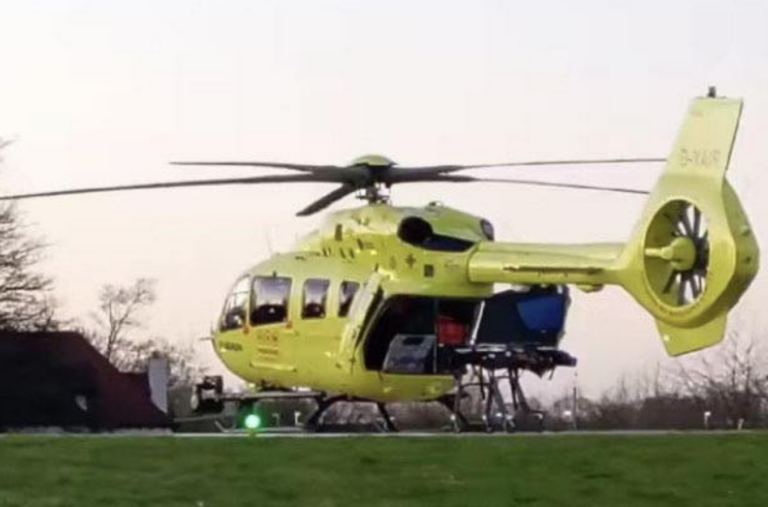
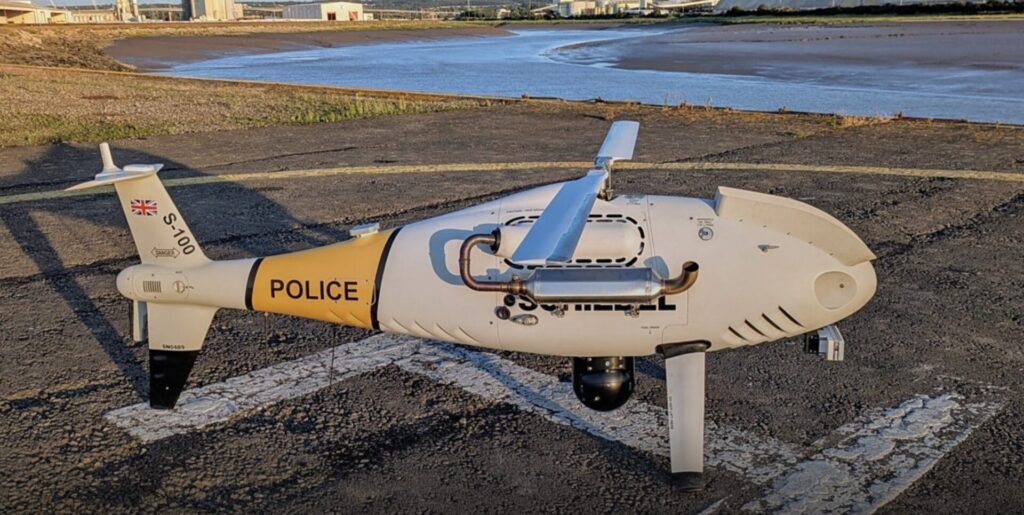
The Schiebel Camcopter is also significantly quieter, an advantage that could drastically reduce noise complaints from residents beneath police flight paths.
“This is about embracing new technology to continue delivering the same high-standard service but on a more efficient platform,” said PC Matt Leeding, NPAS Tactical Flight Officer. “From my perspective, nothing changes operationally. I still have the same camera and tools, but now I’m operating them from a ground station.”
The unmanned aerial system (UAS) is flown remotely by a qualified pilot, with a police officer handling surveillance equipment and tactical operations from a control centre. Equipped with a forward-facing camera and advanced radar, the drone is capable of detecting and avoiding other aircraft in flight.
[block_2]
Search and Surveillance Capabilities
Currently, 30% of NPAS deployments involve searches for missing persons, a task where the drone’s extended flight endurance becomes invaluable.
“We get calls daily — from missing people to electric bike thefts — and it’s very costly to send up a helicopter every time,” Walters explained. “This drone can offer the same surveillance capacity for a fraction of the operational cost.”
Wider UK Drone Trials Underway
The testing of the unmanned police helicopter is part of broader experimental drone trials in the UK, which include initiatives like Amazon’s parcel delivery drones and infrastructure inspections for Network Rail.
Sophie O’Sullivan, from the CAA, said the research was laying the groundwork for increased drone usage across various sectors. “We’re also exploring how unmanned aircraft can support healthcare logistics and critical infrastructure monitoring,” she added.
While remotely piloted drones are already used by HM Coastguard and the Royal Navy, this is the first time a police drone of this size and capability is being tested over populated urban areas.
[block_4]
Years Before Deployment in NPAS Fleet
Despite the successful early tests, NPAS officials caution that it will take several years of rigorous testing and regulatory oversight before unmanned helicopters are deployed operationally across the UK.
Test flights will continue until October, with findings to be reviewed in conjunction with the Home Office, CAA, and other stakeholders.