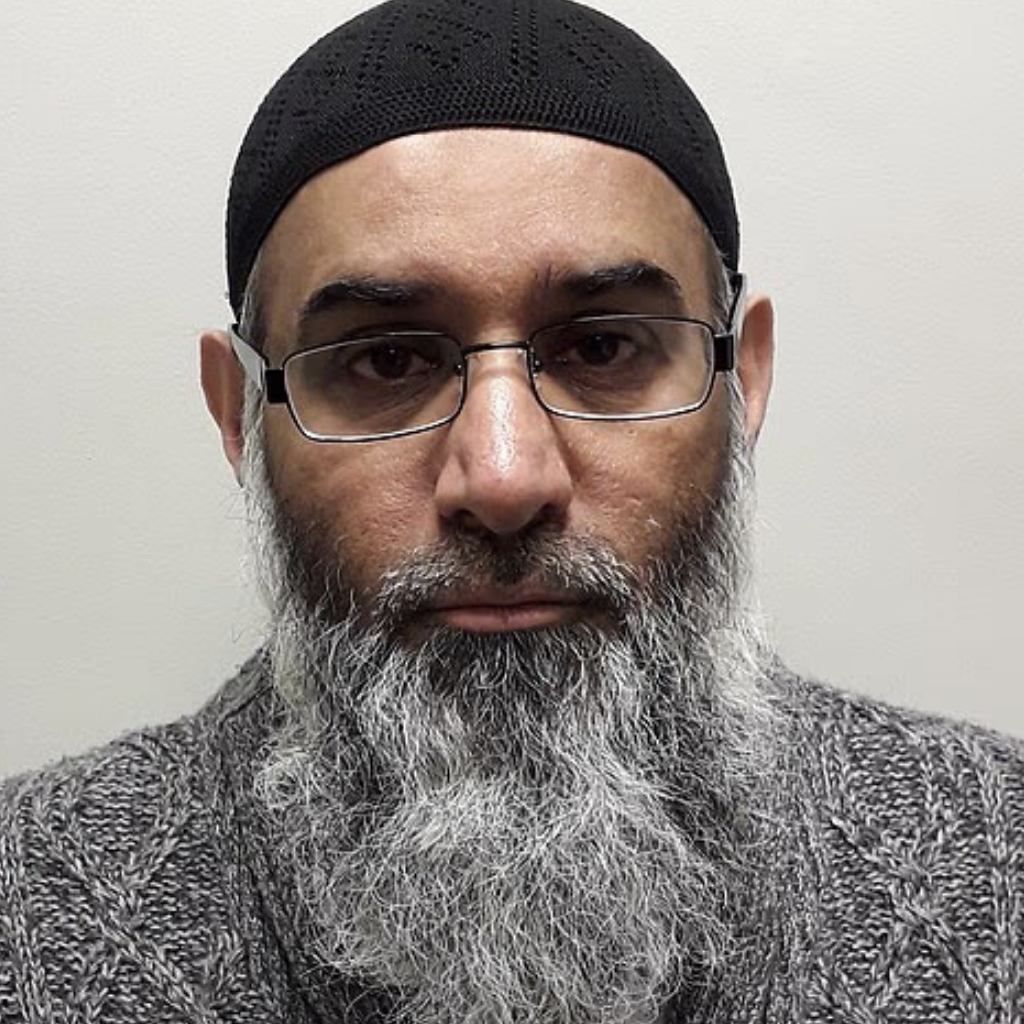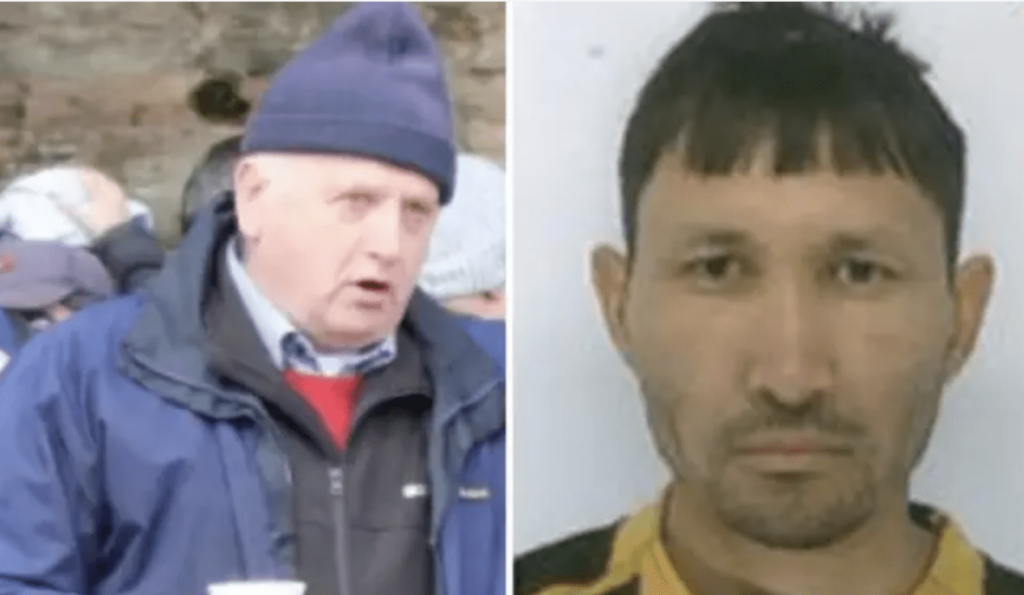
A pastor in south Wales, Phylip Rees of the Bethal Baptist Church, has revealed that he baptized around 500 asylum seekers in mass ceremonies – but more than half of them vanished after their conversions, sparking debate amid heightened scrutiny over religious asylum claims.
Rees organized these mass baptisms as what he described as a “litmus test” for the sincerity of the migrants‘ Christianity. However, he expressed disappointment that over 60% of those he baptized never returned to the church.

The 74-year-old pastor suggested that many of the men might have left to seek work in London after their conversion. He emphasized that he intended to assist immigrants in need and explained that the Home Office had coincidentally opened an office near his church, leading to an influx of asylum seekers.
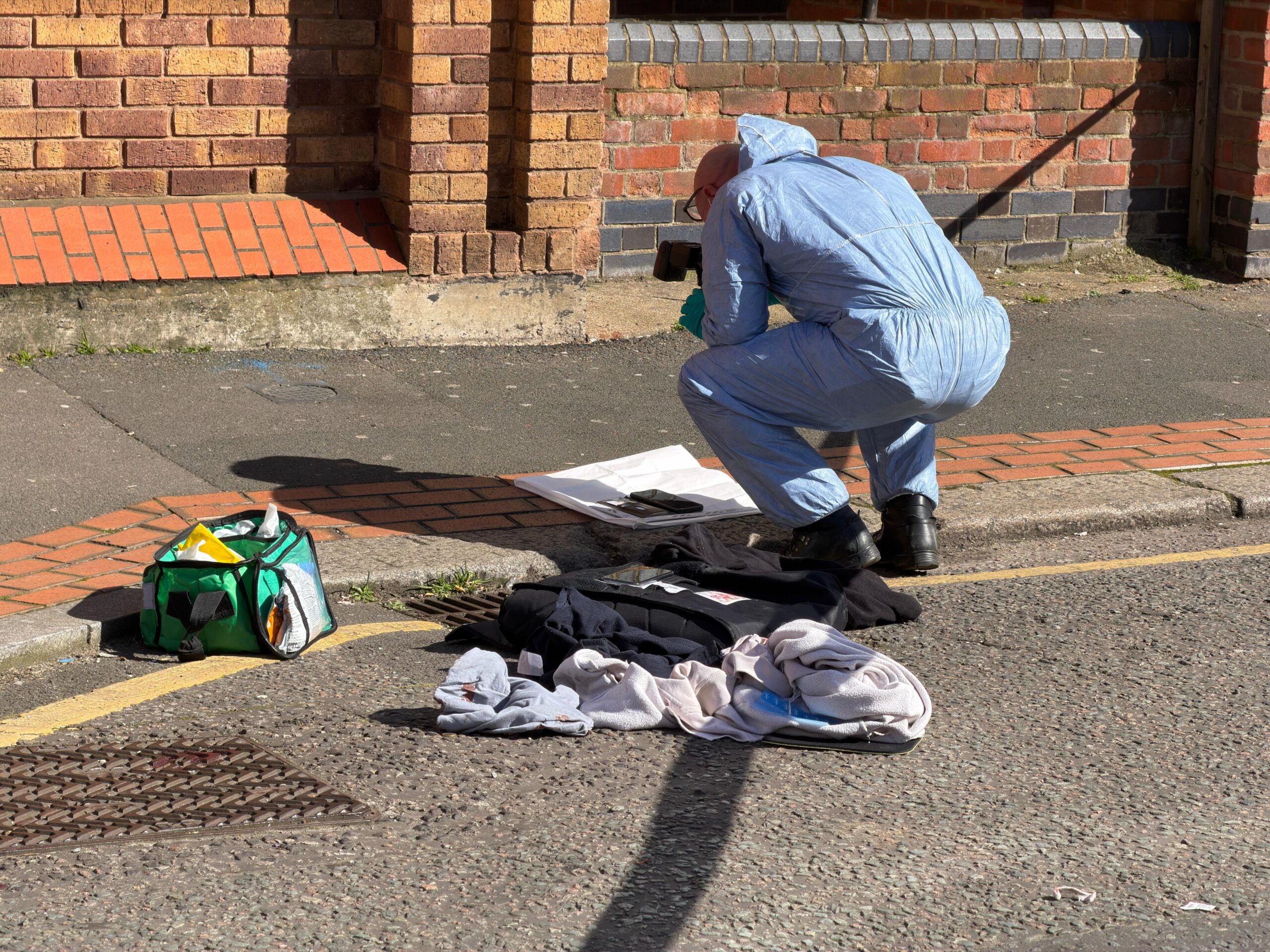
The revelation comes amidst a broader discussion about the legitimacy of religious asylum claims, particularly in light of the recent search for the suspect in the Clapham chemical attack, Abdul Ezedi. There are concerns that individuals might exploit religious conversion to bolster their asylum applications.
Ezedi, an Afghan asylum seeker, is suspected of throwing an alkali substance on multiple individuals, including his former partner, following his conversion to Christianity. The pursuit for Ezedi ended tragically when he was last seen near Chelsea Bridge, with authorities now believing he may have drowned in the Thames.
Police have been meticulously reviewing CCTV footage, with indications suggesting that Ezedi may have intentionally entered the water. Behavioural psychologists commissioned by the police have assessed the footage, suggesting that Ezedi’s actions could indicate suicidal intent.
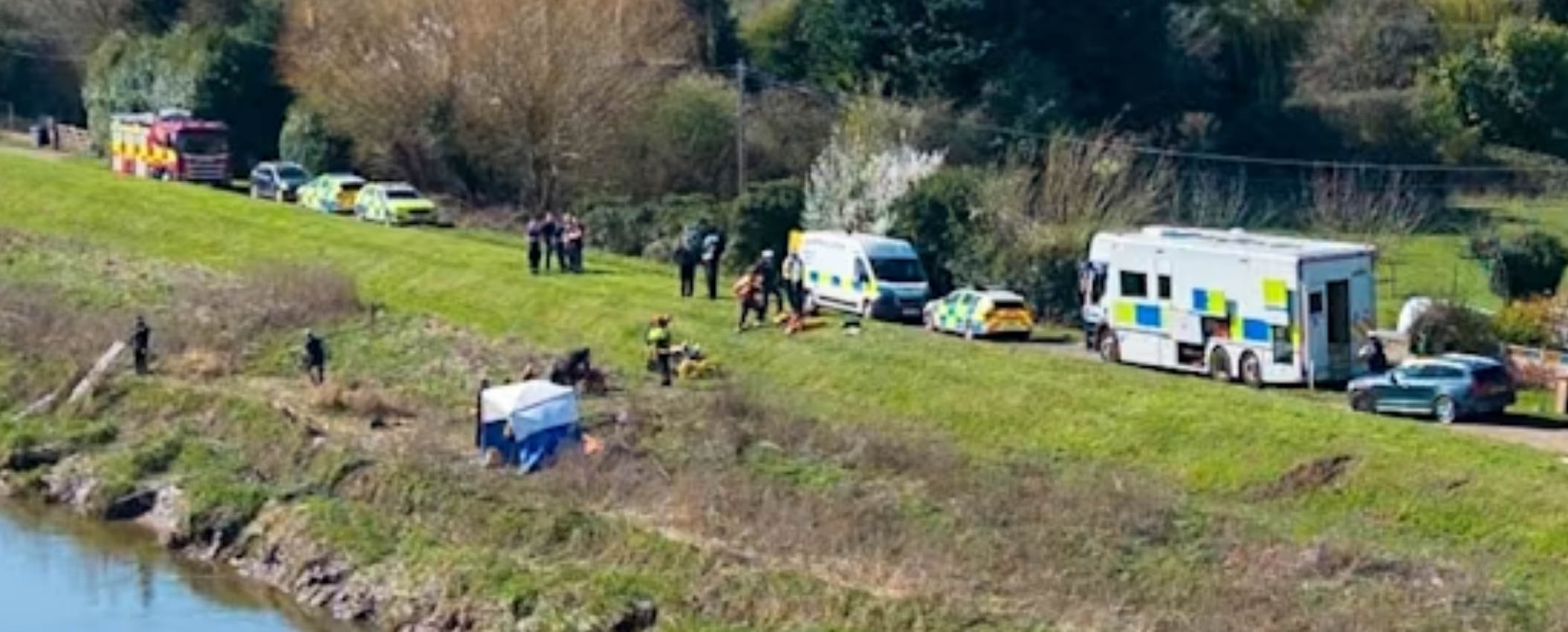
The search for Ezedi has involved extensive efforts, including raids on addresses associated with him in the north Tyneside area. However, the outcome remains uncertain, with authorities acknowledging the challenges posed by the river’s fast-flowing currents and underwater hazards.
The incident has sparked broader discussions about the complexities of asylum claims and the potential exploitation of religious conversion for immigration purposes. As the investigation continues, questions remain about the fate of Ezedi and the implications of his actions for asylum policy and religious communities in the UK.
More news from Chelsea