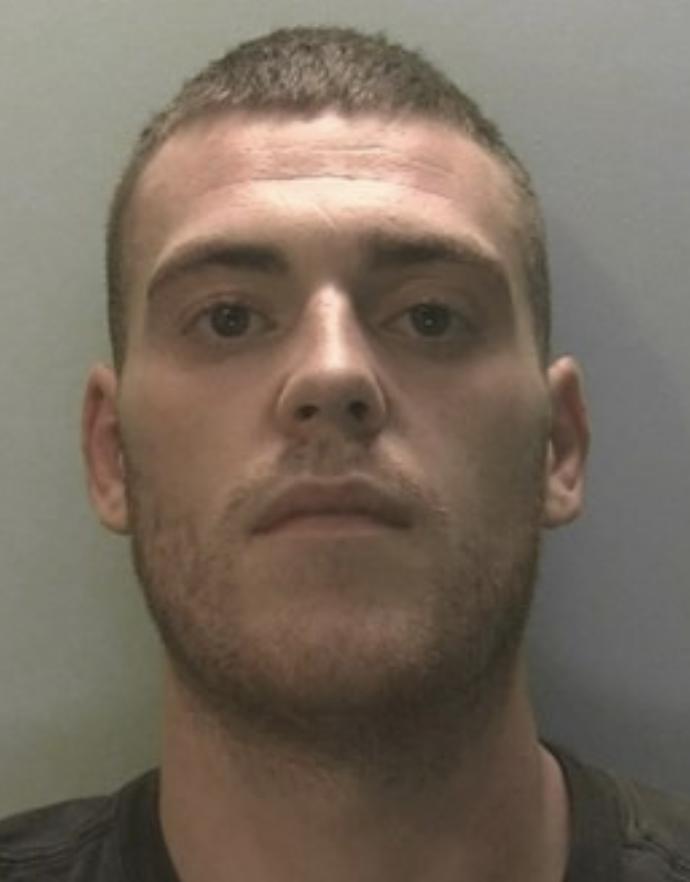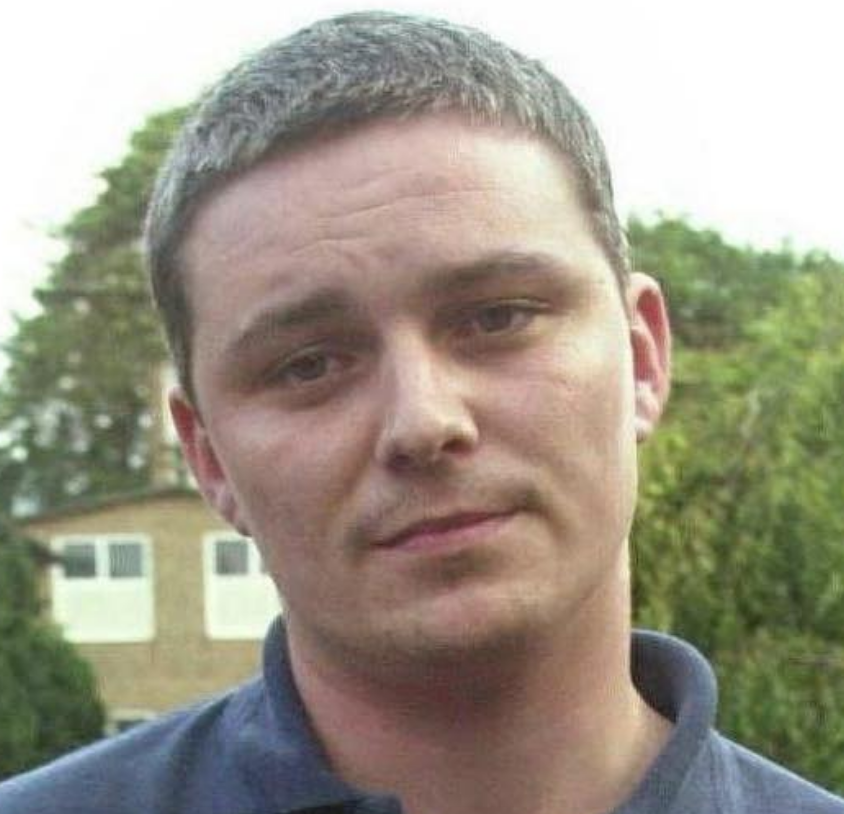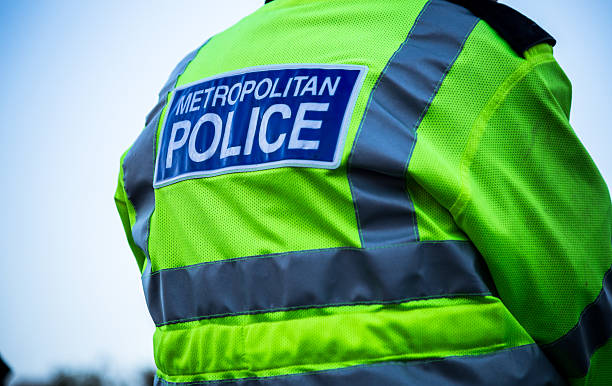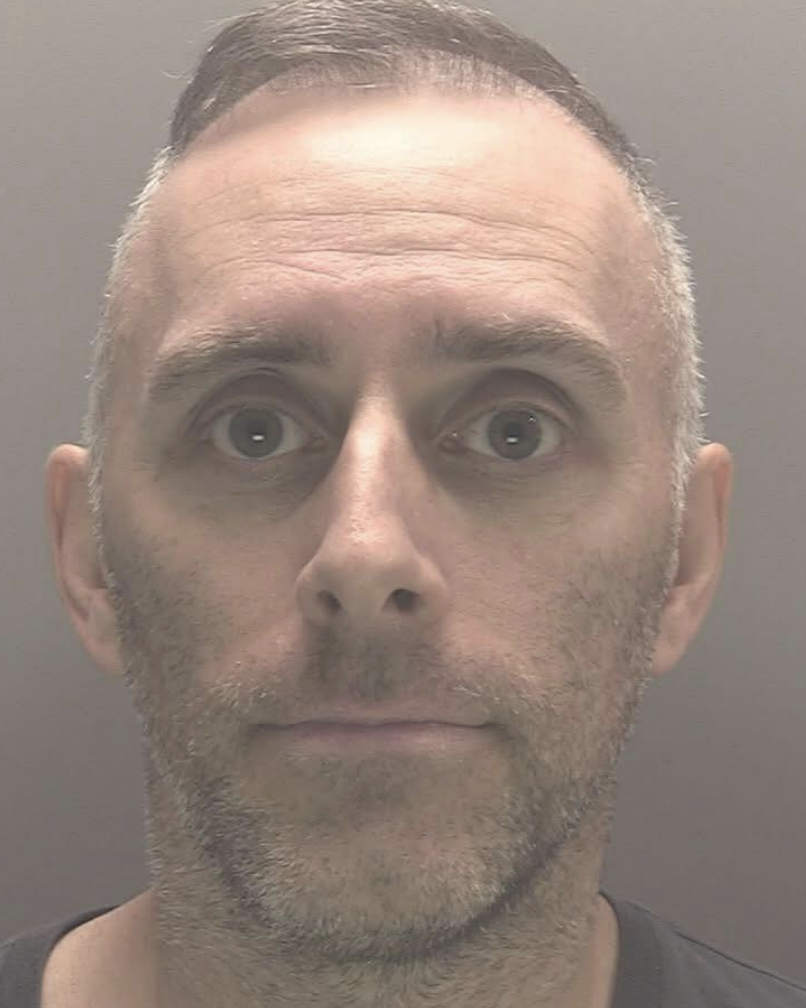
Metropolitan Police firearms officer Martyn Blake, 40, has been found not guilty of the murder of Chris Kaba, 24, at the Old Bailey. Kaba was shot in the head through the windscreen of an Audi during a “hard stop” by police on September 5, 2022. The jury reached its verdict after three hours of deliberation on Monday.
Standing in the dock, a visibly emotional Blake, dressed in a suit, breathed out and turned away in relief as the verdict was read. In contrast, the family of Chris Kaba, who were present in the courtroom, remained silent, showing no immediate reaction.

Prosecution Defends Decision to Charge Blake
The Crown Prosecution Service (CPS) defended its decision to prosecute Blake, asserting that it was essential for the case to be presented before a jury. Frank Ferguson, head of the CPS Special Crime and Counter Terrorism Division, commented:

“First and foremost, I want to say that my thoughts and those of the CPS remain with the family of Chris Kaba. Today, armed Metropolitan Police officer Martyn Blake has been found not guilty of the charge of murder. We fully respect the jury’s decision.”

He continued, “This has been a complex and sensitive case, and the decision to prosecute was made after an in-depth consideration of all the available evidence. We recognise that firearms officers operate under enormous pressure, but it is our responsibility to put cases before a jury that meet our test for prosecution, and we are satisfied that test was met in this case.”

The Events Leading Up to the Shooting
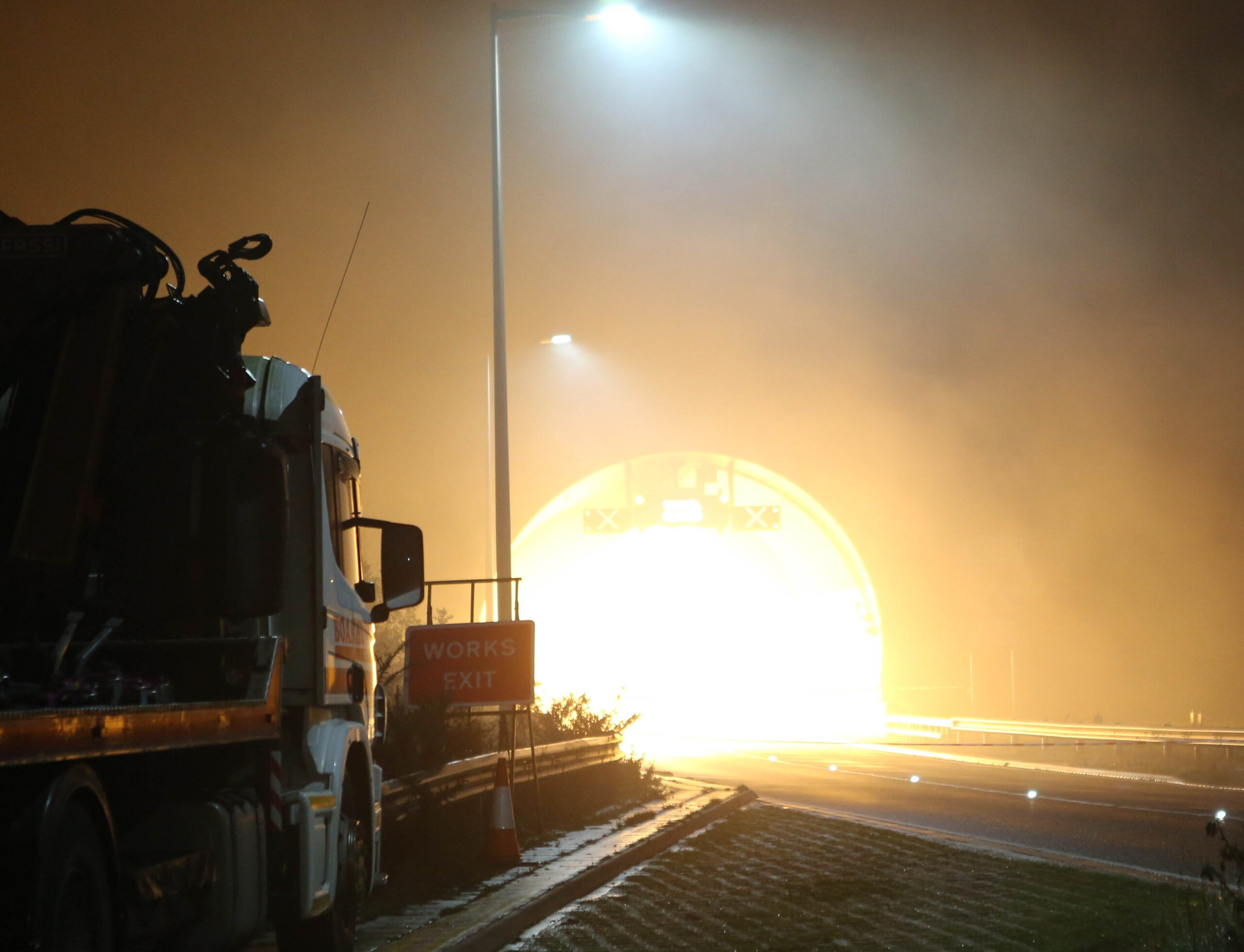
The court heard that the vehicle Kaba was driving had been identified as a getaway car involved in a shooting the night before. It was stopped by police in Kirkstall Gardens after an officer recognised the registration number. Video footage presented in court showed the moments before the fatal shot.

Kaba, attempting to escape, drove forward and backwards, ramming police vehicles as he tried to break free. Blake testified that he believed one of his colleagues was in imminent danger, prompting him to open fire.
Other officers provided corroborating statements, including DS87, who testified that he would have shot if Blake had not. Another officer, identified as E156, said he was “fractions of a second” from firing, while officer NX109 described narrowly avoiding being dragged between Kaba’s car and a nearby parked Tesla.
Prosecutors argued that Blake had misjudged the risk and exaggerated the threat posed to his colleagues. They also claimed that he had deliberately aimed at Kaba’s head, an assertion Blake denied.
Blake’s Defence and the Verdict
Defence barrister Patrick Gibbs KC portrayed Blake as a dedicated officer who acted in a split-second, high-pressure situation. “He is not a robot; he is a human being with a human brain who did this to the best of his ability,” Gibbs told jurors.
Jurors were also presented with testimonials from Blake’s colleagues and senior officers, painting him as a committed professional who had never previously fired his weapon at a human being.
Following the verdict, the Independent Office for Police Conduct (IOPC) will now assess whether Blake should face a disciplinary hearing.
https:///www.youtube.com/watch?v=wE_DWfUs7cY
Wider Implications and Reactions
Kaba’s death had sparked widespread protests across London, highlighting concerns about police accountability and the use of lethal force. The IOPC’s ongoing investigation will examine the standards and protocols surrounding police shootings.
Blake’s case has also reignited debates within the Metropolitan Police about the level of scrutiny faced by firearms officers. The initial decision to charge Blake led to a brief walkout by several of his colleagues, raising concerns among police leadership about the willingness of officers to volunteer for firearms duties in the future.
In England and Wales, there were 18,395 police firearms operations in the year leading to March 2023. Firearms were deliberately discharged in only 10 of these incidents, resulting in three fatalities.
As the IOPC’s investigation continues, questions persist about how police officers are held accountable in such high-pressure scenarios, and what measures can be taken to balance public safety with police support.