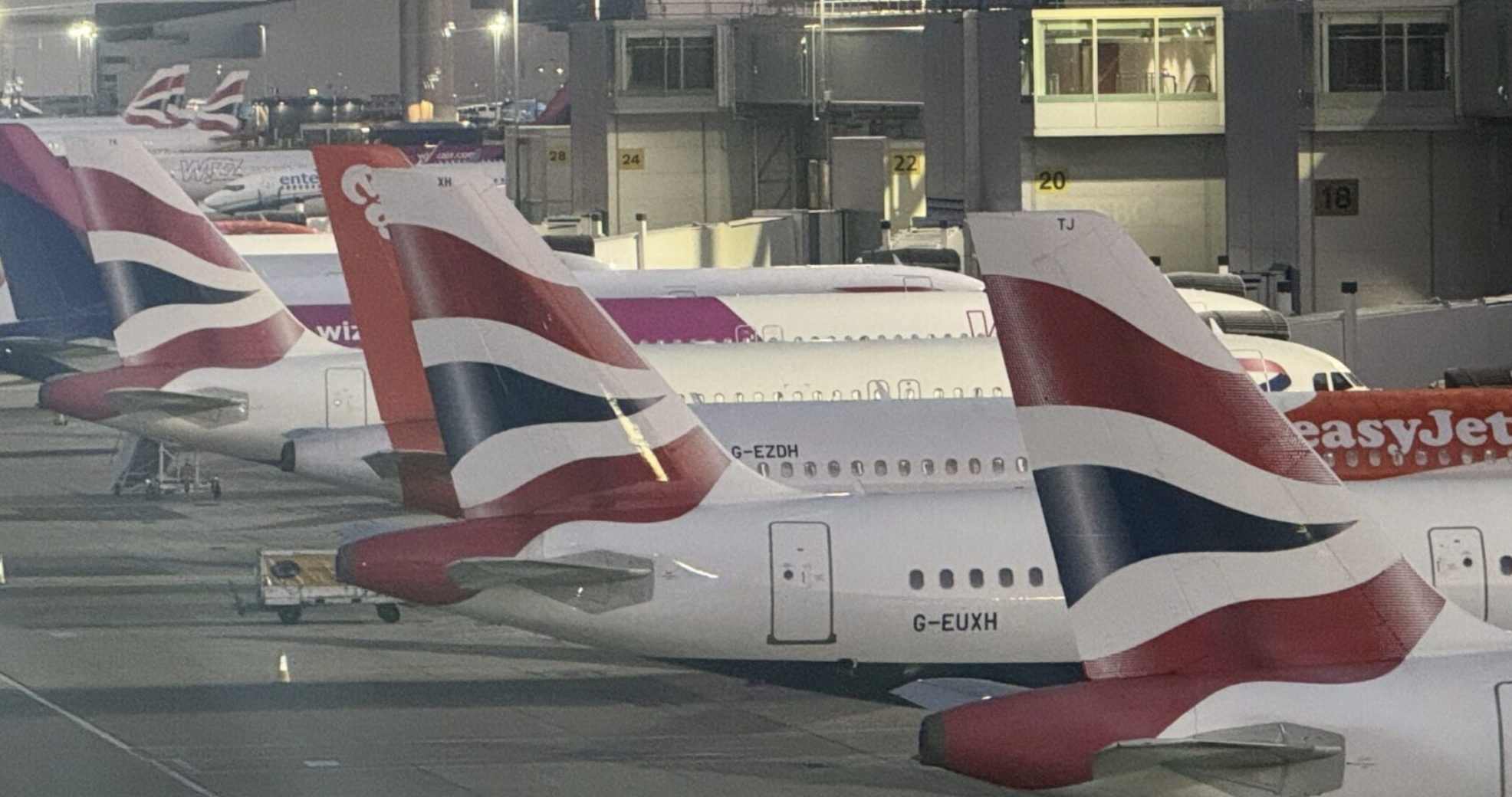
British holidaymakers are now banned from bringing meat and dairy products back into Great Britain from EU and EEA countries, under strict new Government rules introduced to stop the spread of foot-and-mouth disease.

What’s Banned?
Travellers are now prohibited from bringing the following items into England, Scotland and Wales:
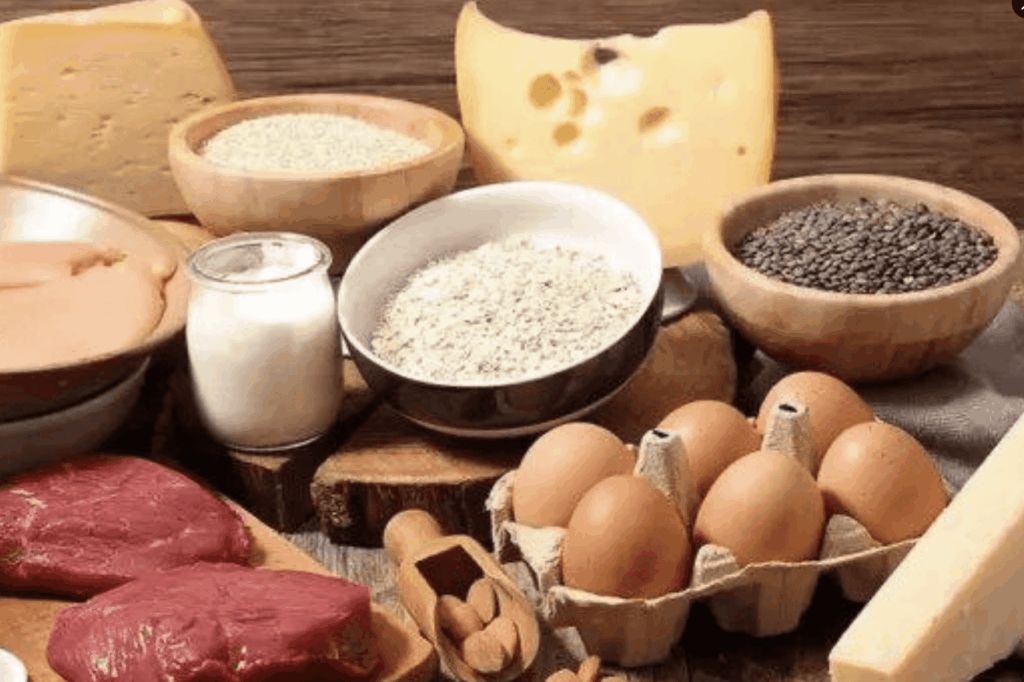
- Beef, pork, lamb, mutton, goat and venison
- All dairy products, including cheese, butter, yoghurt
- Processed and cured meats such as sausages and salami
- Sandwiches containing meat or cheese
- Raw meat products, even if store-bought and sealed
However, the ban does not apply to those entering Northern Ireland, Jersey, Guernsey, or the Isle of Man, where food import rules remain unchanged.




Exemptions and Advice
There are limited exemptions: travellers may bring in up to 2kg per person of powdered infant milk, infant food, or specialised medical food, provided it is factory sealed, unopened, and does not require refrigeration.
Authorities are advising people planning Easter or summer holidays to check rules before packing food, warning that items will be confiscated at the border if found.
Why the Ban?
While the UK currently has no confirmed cases of foot-and-mouth disease, officials say the risk has increased due to outbreaks in parts of Hungary, Germany, Austria, and Slovakia.
“These new measures are designed to protect the health of British livestock, support our farmers, and safeguard the UK’s food supply,” said a Government spokesperson.
The last major outbreak in the UK in 2001 led to the culling of over six million animals, costing the farming industry billions in losses and causing widespread disruption to rural communities.
Planning to Travel?
Travellers are strongly encouraged to review the official guidelines at gov.uk before travelling back from Europe.
Failure to comply with the new restrictions could result in food being seized, delays at customs, and fines in more serious cases.
For full information on what you can and can’t bring into the UK, visit the Government’s official website or consult the TfL and airport guidance pages.