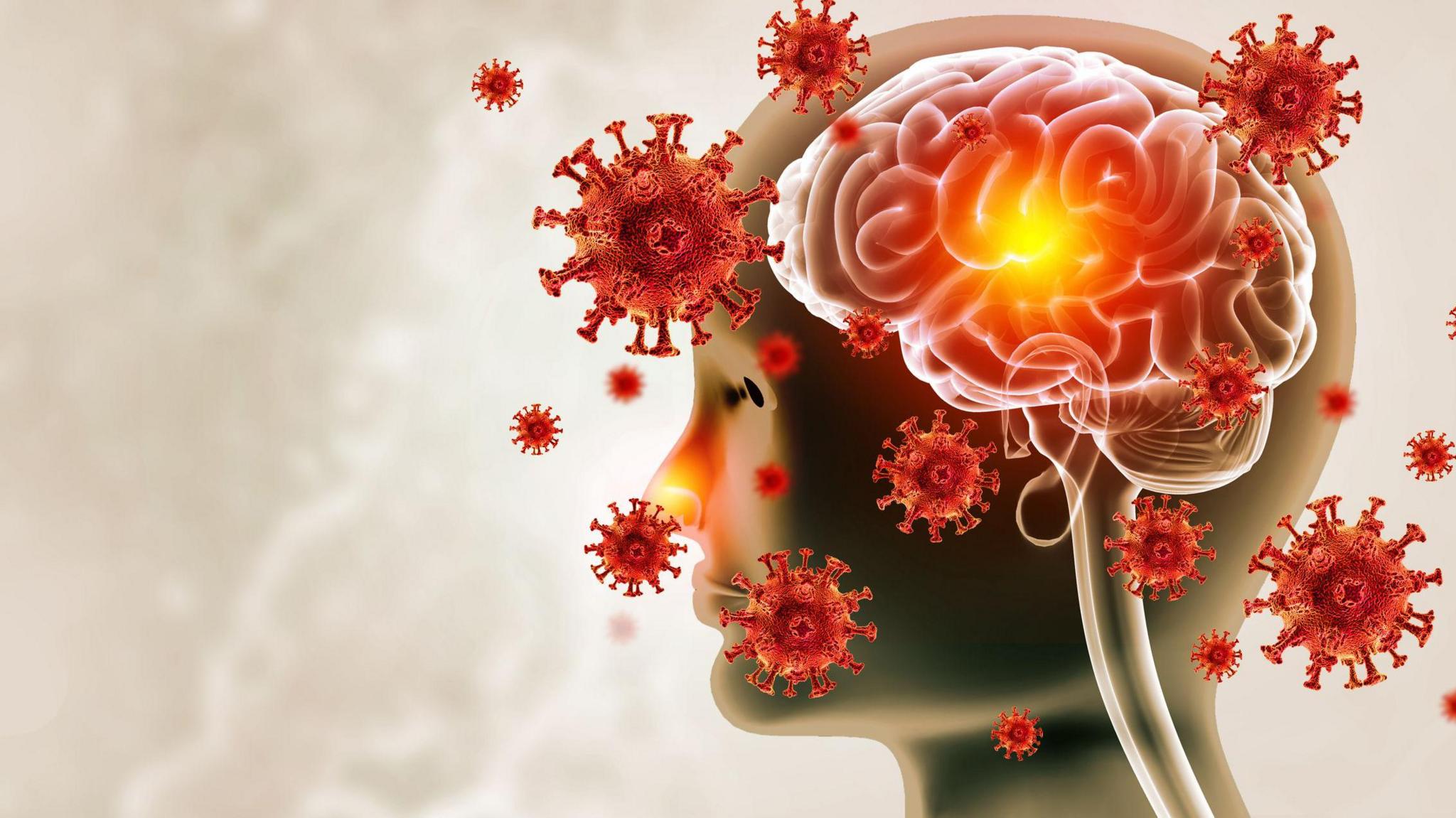
The UK is grappling with a significant surge in Covid-19 cases, with infection rates more than doubling within a fortnight. The latest data reveals that up to one in 16 people are now infected in the worst-hit parts of the country, particularly in London. Health experts estimate that over 2.5 million Britons were carrying the virus last week, raising concerns as the nation heads into the Christmas and New Year period.
According to the joint data from the UK Health Security (UKHSA) and the Office for National Statistics (ONS), London recorded the highest infection rate at 6.1%, followed by the South East at 4.8%. The data, which incorporates responses from 150,000 participants and 30,000 lateral flow test results per week, suggests a national infection rate of 4.2% in England and Scotland as of December 13.
Professor Steven Riley, director general for data and surveillance at the UKHSA, attributes the rise in cases to cold weather, shorter days, increased socializing, and the potential impact of new Covid variants. He warns of the high potential for transmission of respiratory viruses like Covid during this time of the year.
The NHS has also reported a worrying increase in virus-related hospital admissions. As of December 17, there were 3,390 Covid patients in hospitals, a 38% increase from November 19. This rise is also 12% higher than the figures from December 10, indicating a rapid escalation in severe cases.
The sub-variant JN.1 is driving the current spike in cases and hospitalizations. This variant, first identified by the UKHSA, contains a mutation in the spike protein that helps it evade immune protection from previous infections and vaccinations. As of December 16, JN.1 accounted for 27.1% of all Covid infections globally, with 422 cases in the UK.
While COVID-19 infection rates are not as high as earlier peaks in the pandemic, health chiefs are concerned about the potential impact on the NHS, already strained by norovirus, flu, and RSV cases. They urge eligible individuals to get their flu and COVID booster jabs to reduce the risk of severe illness and hospitalization.
Professor Riley advises those showing symptoms of Covid or other respiratory illnesses to limit contact with others, especially the vulnerable and elderly. He emphasizes the importance of seasonal vaccination for those most at risk of severe illness and hospitalization due to Covid.
The public is encouraged to use pharmacies and local urgent treatment centres when appropriate, as increased virus patients are causing further delays in A&E. The UKHSA and health authorities continue to monitor the situation closely, urging the public to take necessary precautions to protect themselves and others during this winter season.